Microsoft Security Exposes Claude Code Vulnerability in GitHub Actions: Securing SaaS Pipelines
What shipped
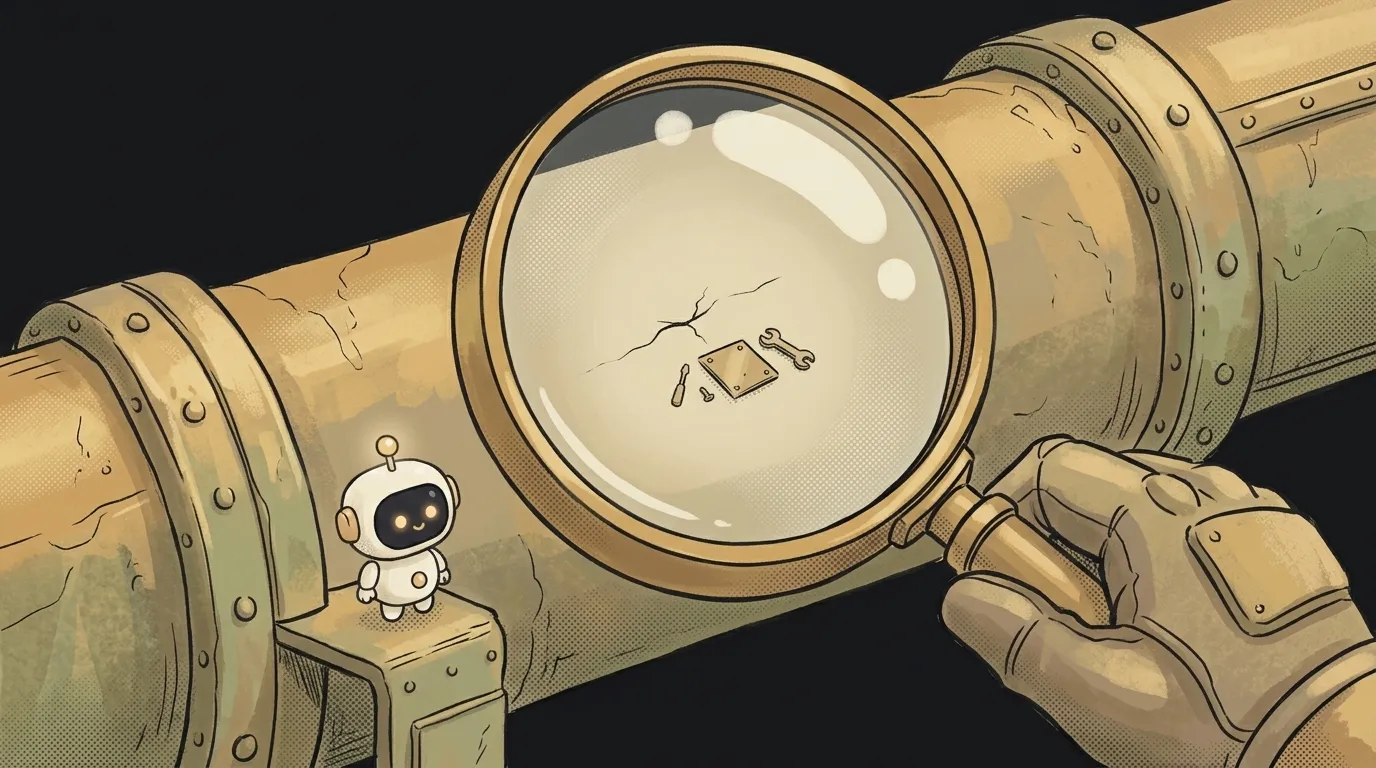
On June 5, 2026, Microsoft Security published a detailed breakdown of a prompt injection vulnerability in GitHub Actions for Claude Code. Researchers demonstrated how a malicious comment in a pull request can trick the agent into executing commands that leak access tokens and environment secrets to an external server. Anthropic promptly released a patch that disables direct access to system variables by default. Claude Code now requires explicit permission declarations before reading environment secrets. For indie developers and teams without dedicated DevOps engineers, this marks a paradigm shift: CI/CD pipeline security is no longer optional. It must be configured during repository initialization. The vulnerability specifically targeted the way autonomous agents handle untrusted input, proving that standard GitHub security defaults are insufficient for AI-driven workflows. Teams relying on automated PR reviews must now audit how agents parse markdown comments and external API responses.
Why it matters for SaaS
Vibe-coding and AI agents compress the timeline from idea to production from months to days. You scaffold a backend on Supabase, generate a frontend with Next.js, and automate deployment through GitHub Actions. Speed increases, but the attack surface expands. If your agent has write access to databases or deployment servers, any unverified user input becomes a potential exploit. The Claude Code incident proves that default CI/CD configurations do not account for autonomous AI behavior. Without strict environment isolation, you risk leaking customer data during beta testing. Proper access scoping protects your reputation and prevents financial losses from compromised API keys. It does not slow down development; it makes it predictable. Securing your pipeline ensures that rapid shipping does not compromise your infrastructure. Investors and early adopters expect data protection from day one, making security a competitive feature.
How to secure your deployment pipeline: 5 steps
- Configure OIDC in GitHub Actions. Replace long-lived tokens with temporary authentication using
id-token: write. This eliminates secret theft if a repository is compromised. - Restrict Claude Code permissions. In
.github/claude-code.yaml, define allowed commands and directories. Block root system access and environment variables unless explicitly flagged with--allow-secret-read. - Add manual approval for production deployments. Use
environment: productionin your GitHub Actions workflow with mandatory reviewer sign-off. This creates a hard barrier between automated testing and live servers. - Isolate secrets in Supabase. Never hardcode API keys. Store credentials in GitHub Secrets scoped to specific branches. Enable Row Level Security in Supabase to restrict database access to authenticated service roles only.
- Deploy secret scanning and linting. Integrate Gitleaks and TruffleHog into your CI/CD pipeline. These tools automatically reject pull requests containing hardcoded keys, preventing accidental exposure in commit history. Pair this with pre-commit hooks to catch secrets before they reach the remote repository.
Trade-offs and what to watch
Strict isolation slows prototyping. AI agents operate fastest with broad filesystem and environment access. Limiting permissions requires extra minutes for YAML configuration and access testing. Additionally, patches from Anthropic and Microsoft will shift with each model update. What is secure today may need reconfiguration tomorrow. Developers must regularly audit agent activity logs and update security policies. Ignoring these steps for the sake of speed will cause incidents that set your launch back by weeks. Balancing AI autonomy with human oversight remains the core challenge for teams shipping SaaS in 2026. Monitor GitHub security advisories weekly and test your pipeline in staging before touching production. Document your security rules in a README so new contributors and AI agents follow the same constraints.
Read next

VaaSBlock, Cursor, and Devin: AI Coding Assistant Analysis from June 5, 2026

Claude Code vs GitHub Copilot: What to Choose for Shipping SaaS in 2026

Anthropic’s 80% Merge Rate: How Claude Agents Reshape SaaS Development
OpenAI, Anthropic, and Google Pivot to Agentic Workflows: What It Means for SaaS

Microsoft Launches Phi-4-Medium on June 2, 2026: Lowering SaaS Inference Costs