AI tools
Editors, agents, extensions and services that write code with you. Reviews and comparisons without the hype.

Claude Code or Codex — and why price is the worst way to choose
Claude Code and Codex have near-identical tiers: $20, $100, $200. So price can't decide it. We compare them criterion by criterion and give a straight answer.

Word blocklist vs AI moderation — what to filter user content with
Word blocklist vs AI moderation: compared on cost, evasion, languages and false positives — with a straight answer on what to use in your first app.

ChatGPT subscription or the API — two different products, and here's which one you need
A ChatGPT subscription and the API are different things: a flat fee for chat vs paying per token. We compare price, limits and access — and pick for you.

npm vs pnpm vs yarn — which package manager to pick as a beginner
npm, pnpm or yarn: all three install the same packages. We break down the difference in speed, disk space and strictness — and who should pick what.

OpenAI API vs OpenRouter — which one to plug into your project
OpenRouter takes its cut on top-ups, not on tokens. Comparing OpenAI API and OpenRouter on price, model choice and reliability — and who should pick which.
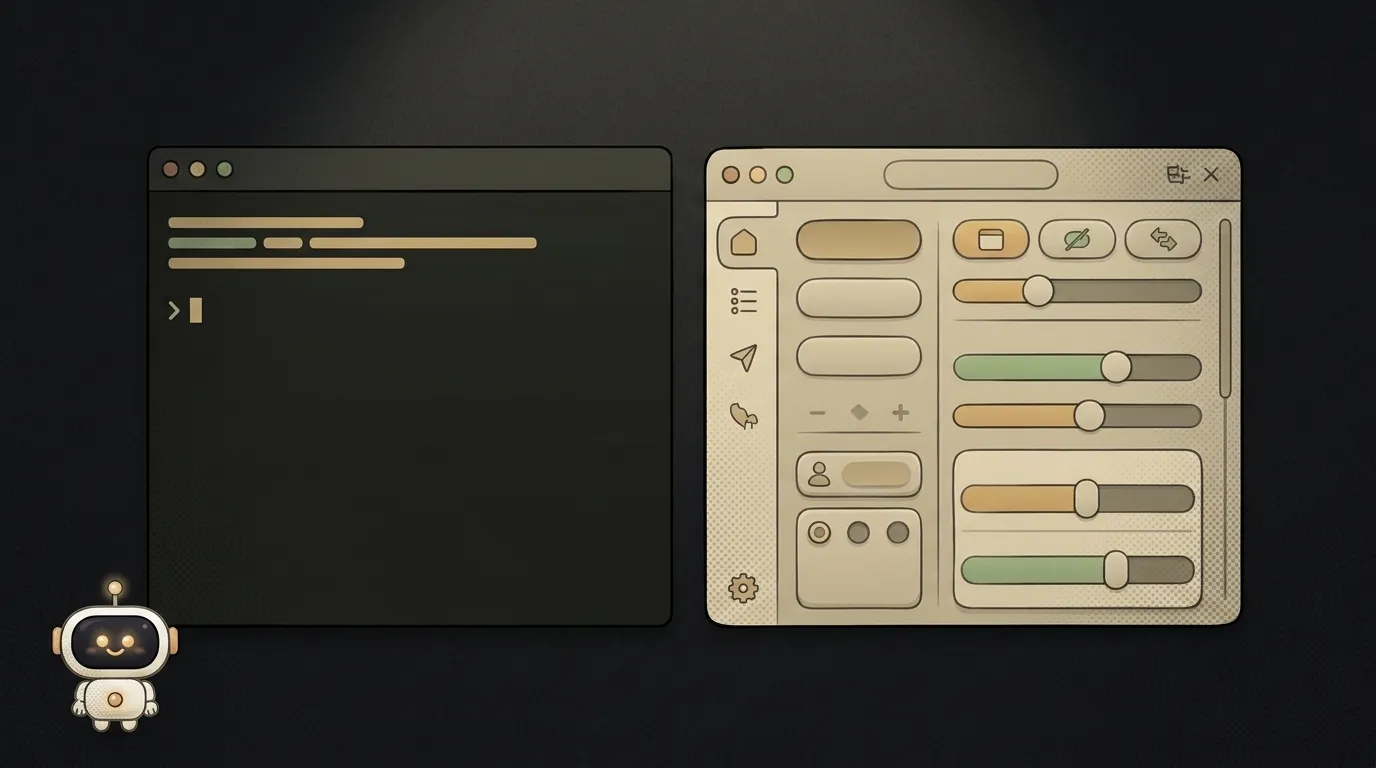
Ollama vs LM Studio — which to pick for running AI locally
Ollama is terminal-first and built for integration, LM Studio is a window with a mouse. Comparing Ollama and LM Studio on cost, interface and use case — and who each is for.

Gemini or Claude — which model to pick for code and beyond (2026)
Gemini or Claude? A practical comparison: code and agents, multimodal, price, long context — and a straight verdict on which to pick. No 'who's smarter' fight.

TypeScript or JavaScript — what a beginner should pick, and the real difference
TypeScript is JavaScript that catches your typo before you run it. We compare on entry cost, errors and working with AI — and say plainly what a beginner should take.

API vs SDK — the difference and which to pick as a beginner
API and SDK aren't two options — they're a staircase and an elevator. An SDK wraps the same API. Here's the difference in a table and a straight verdict.
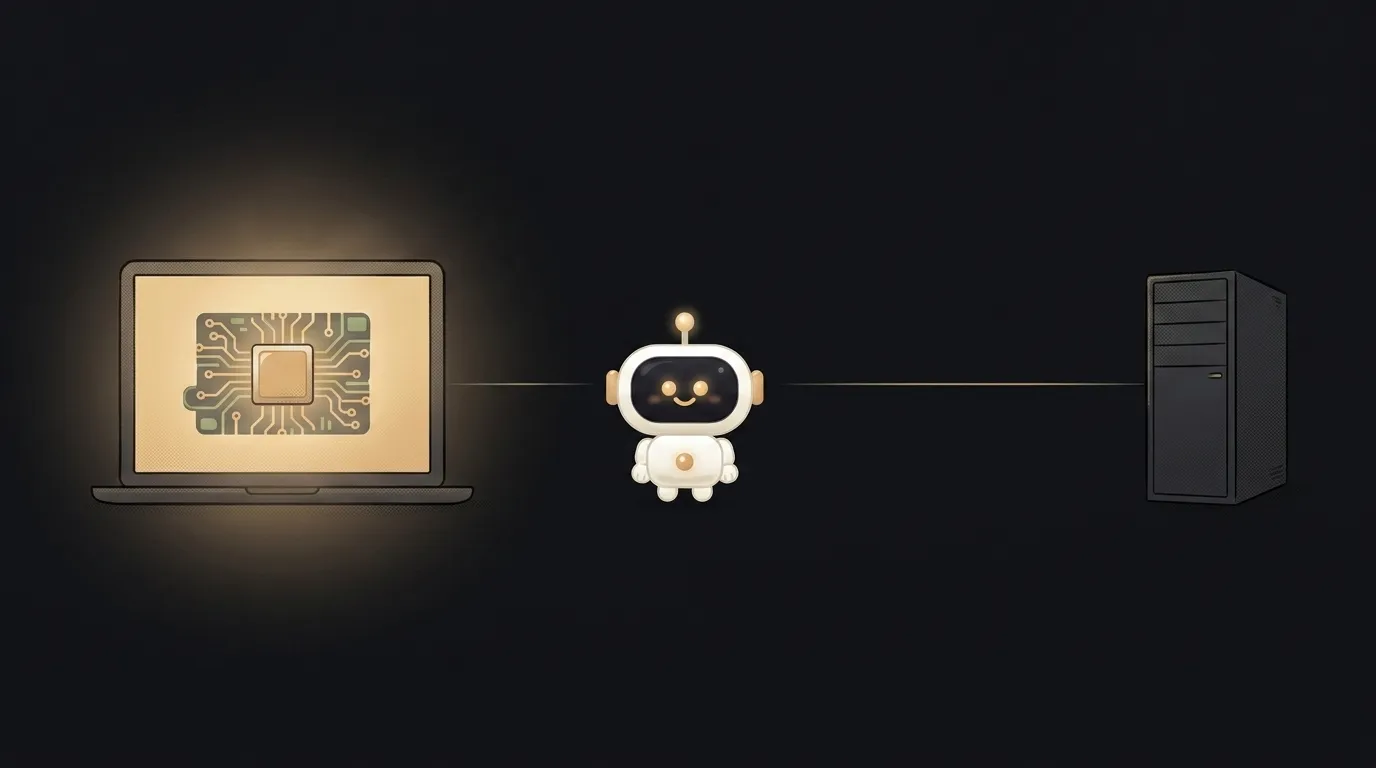
Local AI or the cloud — where to run your model
A model on your laptop is free and private, but weaker. Local AI or the cloud: a difference table and a plain verdict on which one fits you.
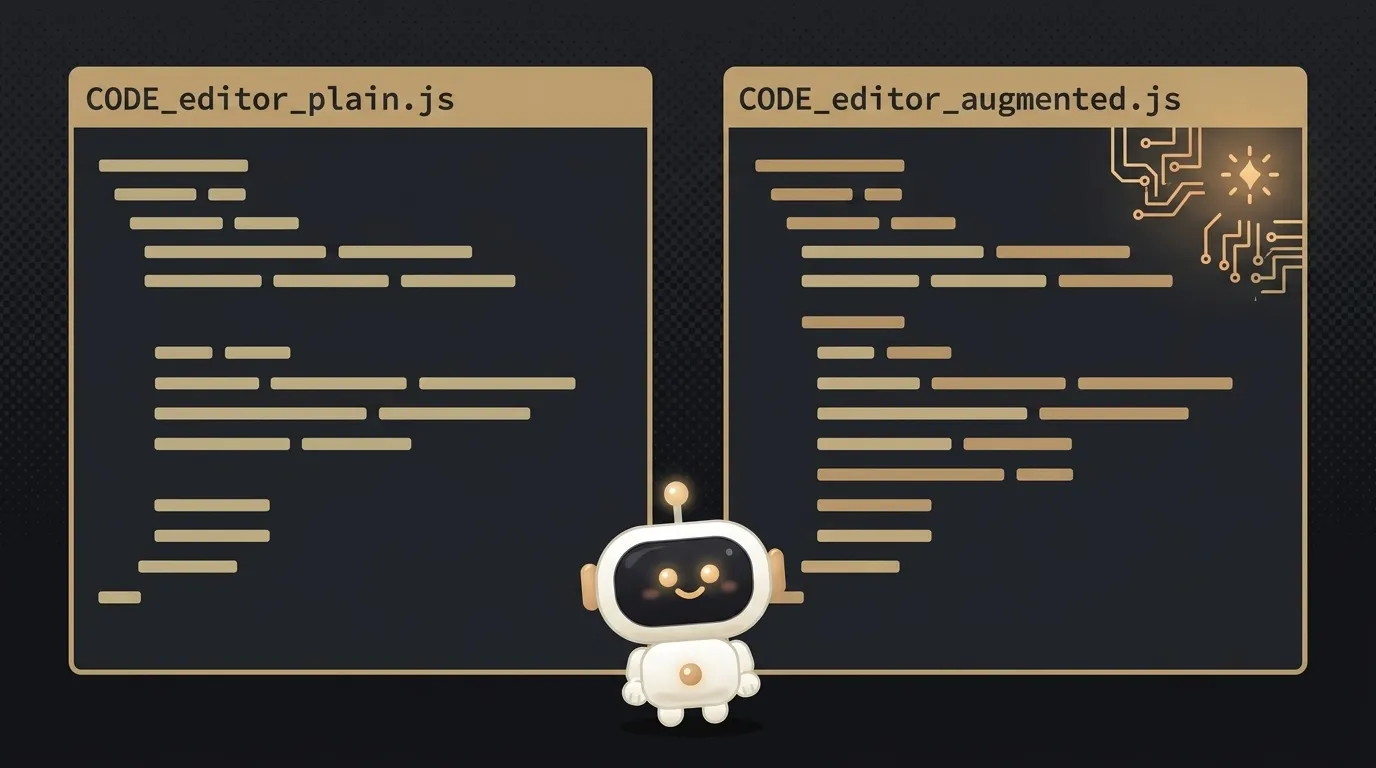
VS Code or Cursor — which to pick as a beginner in 2026
VS Code is free; Cursor charges for built-in AI. We compare them on price, learning curve, and use case — and say plainly who should pick what.

Gemini vs ChatGPT — which one should a beginner pick in 2026
Gemini or ChatGPT? A practical comparison: free tier, images and voice, long context, ecosystem — plus a blunt verdict on who should pick which.

localhost Won't Open — Why "Connection Refused" and How to Fix It
localhost won't open and says "connection refused"? Here are the 3 common causes — server not running, wrong port, port already in use — and how to fix each.
What Is an IDE — and Why It Beats a Plain Text Editor for Code
An IDE is a development environment: a code editor plus tools that understand your code. Here's what an IDE is, how it differs from a notepad, and why you need one.

Tailwind vs Plain CSS — What Should a Beginner Pick in 2026
Tailwind or plain CSS? We compare on speed, learning curve, and readability — and give a straight answer on who should pick what. Plus why AI almost always writes Tailwind.

GPT vs Claude — which model to choose in 2026
The 'GPT vs Claude' debate isn't settled by benchmarks but by your task. We compare what matters: code, long text, images, price — and who fits which.

What is an API key — and why a leak hits your wallet
An API key is a pass to someone else's service, used in your name. Here's what an API key is, where it lives, why it can't sit in your code, and how to store it safely.

Free AI image generators — 6 that actually work in 2026
Free AI image generators that actually work in 2026: which to pick for text in the image, photorealism, or unlimited use — with each one's honest catch.

Vercel vs Netlify — which to pick for deploying your first project
Vercel and Netlify both deploy a site from GitHub in a minute and are near-twins for a beginner. We compare cost, learning curve and use case — and call it.

My API key isn't working — a 3-cause checklist that catches everyone
API key not working and throwing 401? Here are the 3 main causes — a typo, the wrong header, a problem with the key itself — and how to fix each fast.

Python or JavaScript — which language should a beginner learn first
Python or JavaScript for a beginner? We compare entry cost, ecosystem, and AI — and give a straight answer on who should pick which, no fluff.

What is localhost — and why you can't send the link to a friend
localhost is an address that loops back to your own computer. Here's what localhost is, why only you can see it, and where ports fit in.

Supabase or Firebase — which backend to pick for your first project
Both give you a database, login, and hosting out of the box. The difference is the type of database and how tied to Google you are. A practical comparison with a clear verdict.

AI design tools for non-designers — 7 that actually save you
Building an app solo and design is your weak spot? Here are 7 AI tools that cover UI, icons, color, and images — each for its own job, no designer required.

How to connect an API to your project — 5 steps, and where it usually breaks
Connecting someone's API is 5 clear steps, not magic. Step by step: find the endpoint, get a key, make the request, parse the response, hide the key.

Bolt vs Lovable vs v0 — which to pick as a beginner, and why it's not 'who's best'
These three AI builders aren't 'who's better' rivals — they're for different jobs. A practical comparison: what they build, whether there's a backend, who each fits.

Free APIs for side projects — 7 that work with no credit card
A pick of free APIs for your first projects: weather, countries, fake data, AI. Many need no key at all — grab one and build something tonight.
Claude Code or Cursor — what should a beginner choose in 2026
Claude Code and Cursor solve one problem in different ways: a terminal agent vs a visual editor. We compare on price, learning curve and tasks — and call it.
Cursor or Windsurf — which AI editor should a beginner pick in 2026
Both are VS Code forks with AI inside. The difference isn't the engine — it's how much they decide for you. A practical comparison, with a clear verdict.
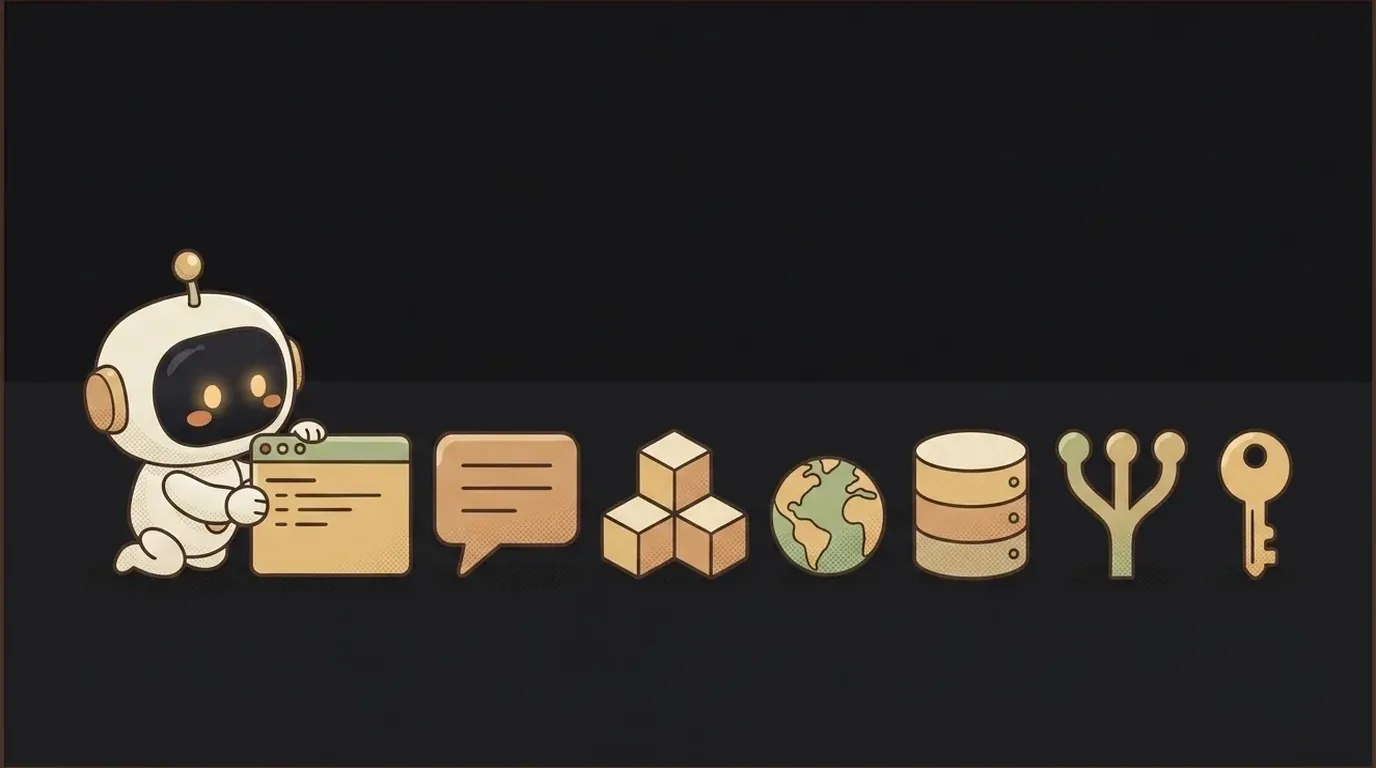
AI tools every vibe-coder needs — 7 of them and what each is for
Not 50 trendy services — the 7 pillars a beginner actually needs: where to write, what to think with, where to ship. What to grab, when, and the catch.

Free AI tools: build your first project without paying a cent
It feels like you need a subscription to start. You don't — everything you need has a free tier, enough to build your first project and show it to people.
Cursor, Copilot, Windsurf — which AI editor should a beginner pick
Spoiler: there's no "best." There are three different ways of working — and the right one matches your temperament, not some review's top spot.
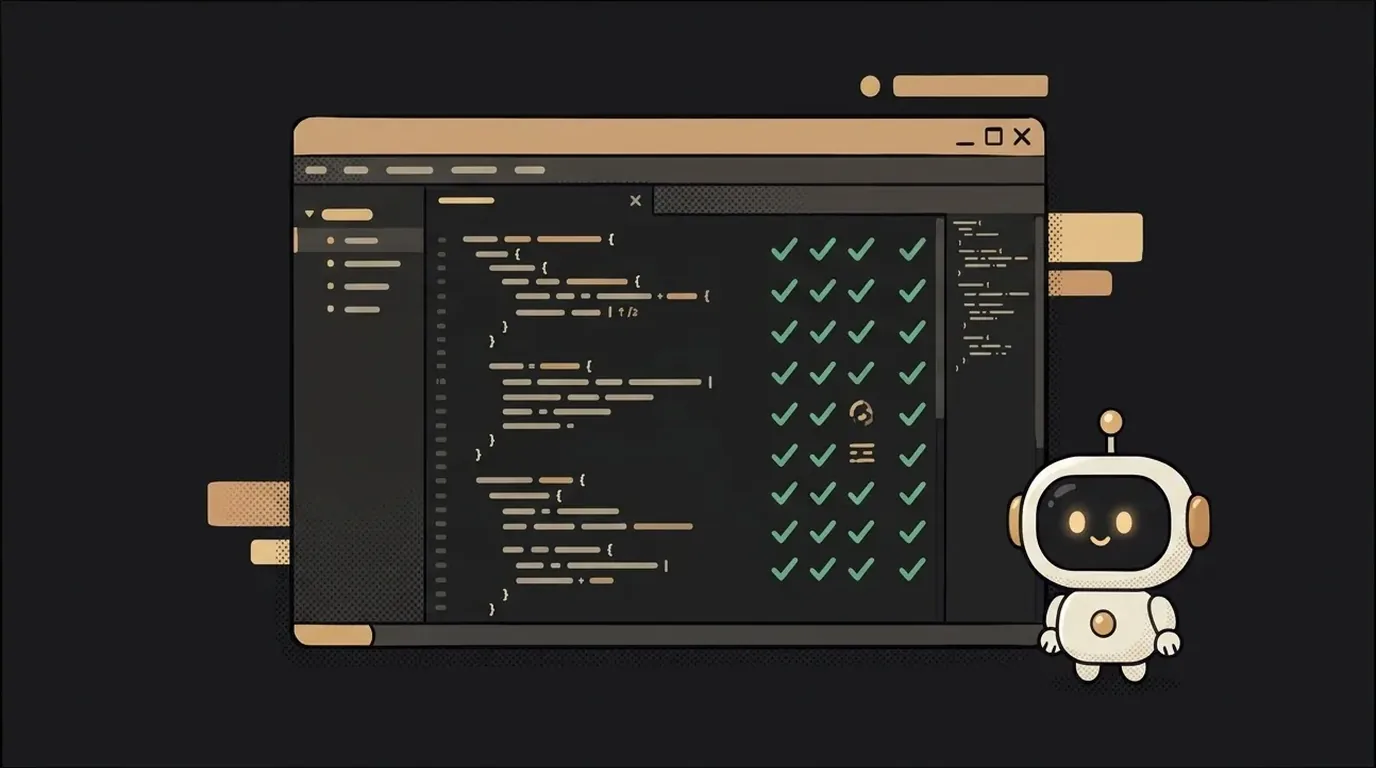
The editor that writes tests for your code
An update turns autocomplete into a full reviewer — it reads your function and proposes the cases you forgot.
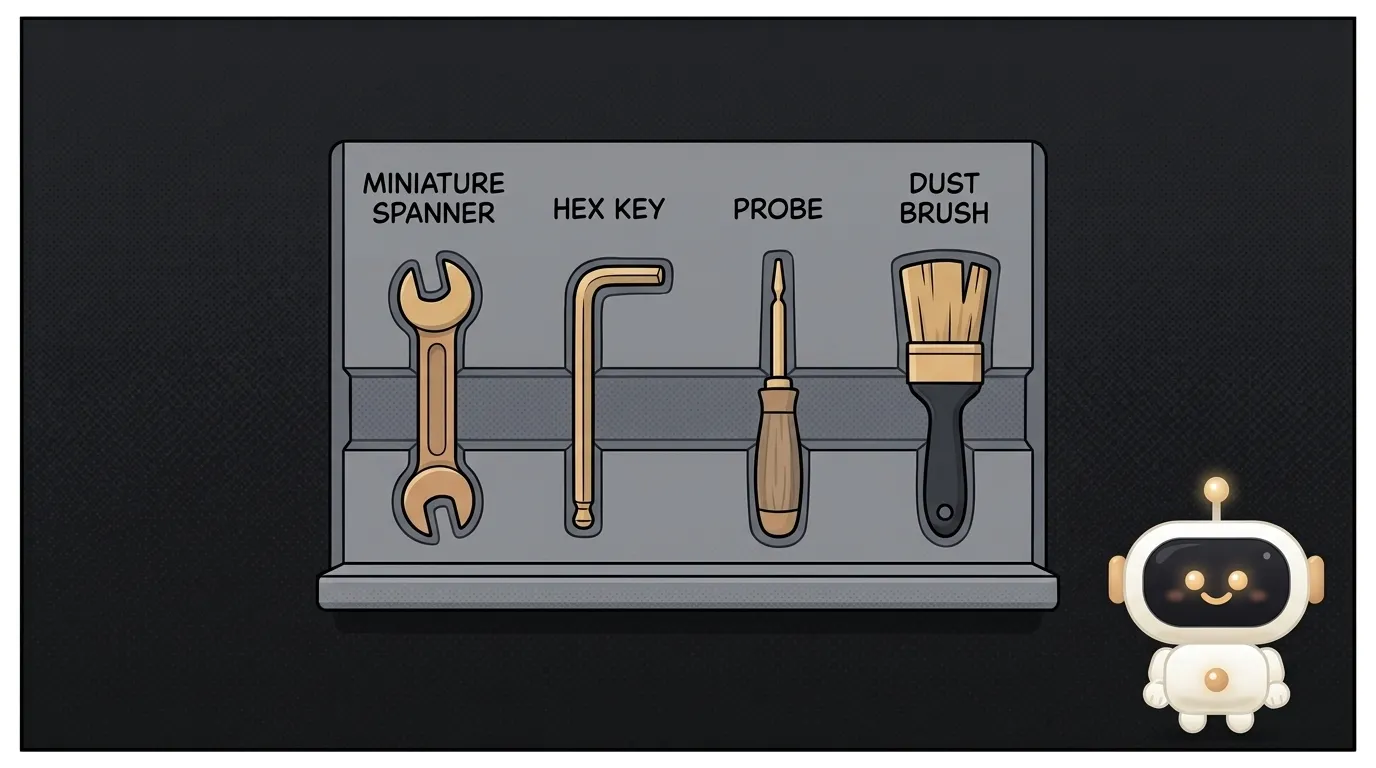
The Vibe Coder's Stack: The Tools You Actually Need in 2026
You do not need forty tools. You need one for each job: build, store, deploy, and watch. Here is the honest minimal stack for shipping a product solo.