Agents
Autonomous AI agents: context, memory, tools and MCP — explained simply with examples.
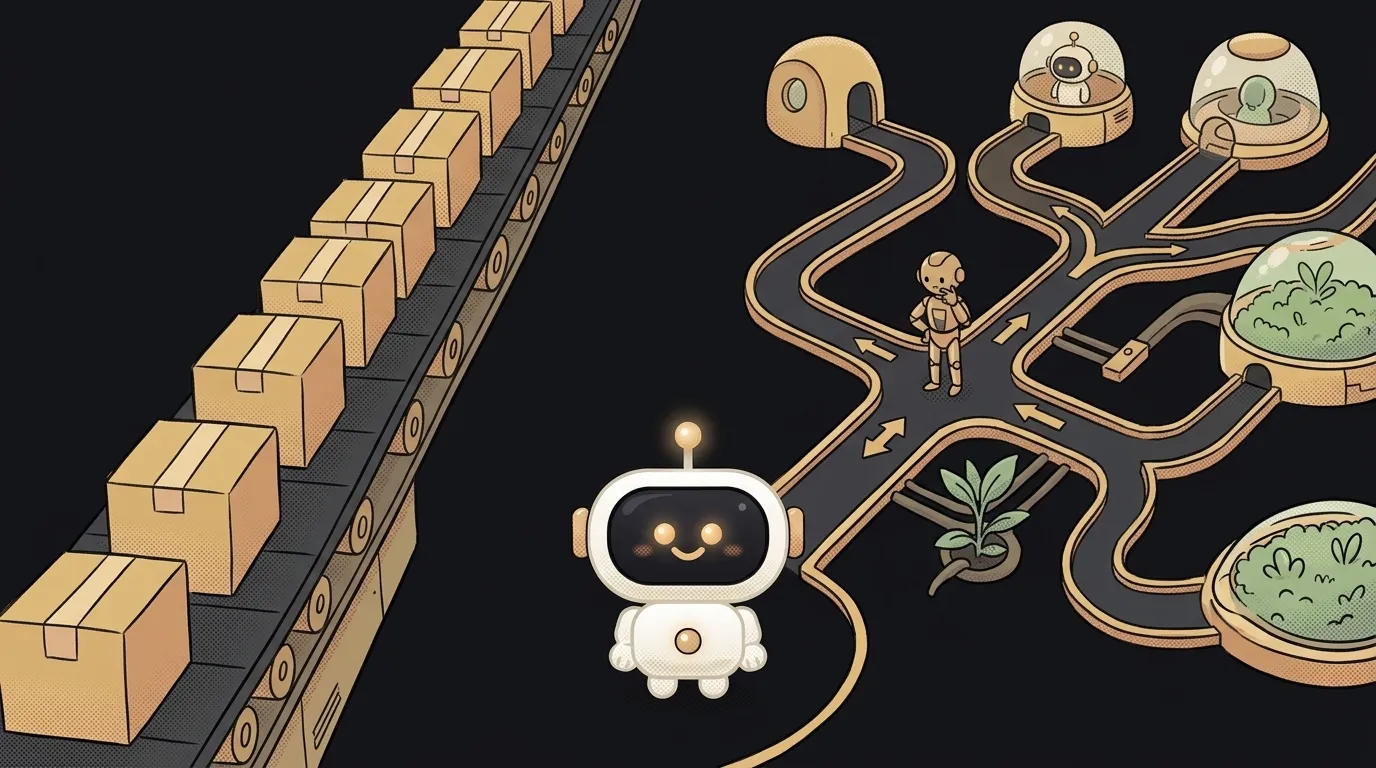
AI agent vs workflow — when the AI decides, and when to keep it on rails
An agent decides the next step itself; a workflow runs on fixed rails. Here's the difference between an AI agent and a workflow — and when to pick each so you don't over-build.
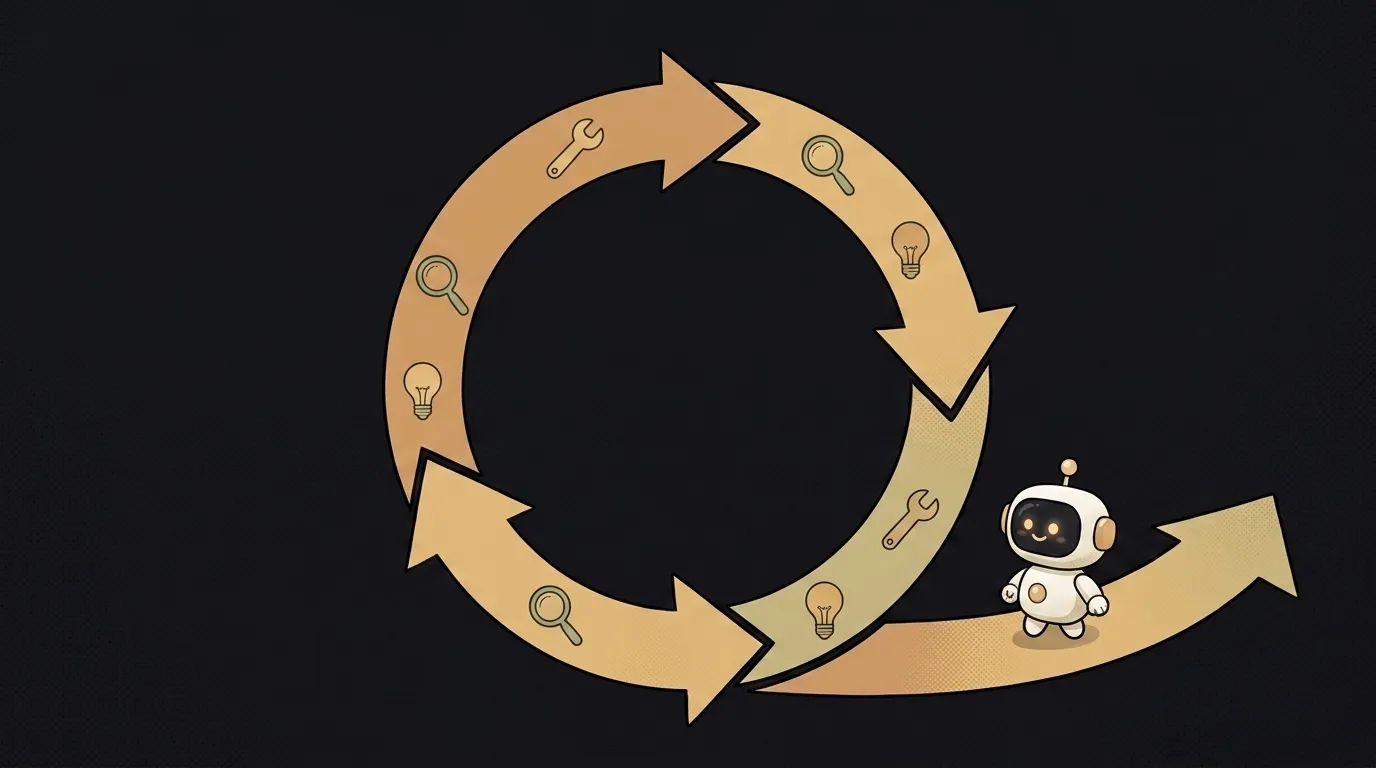
What is an agent loop — how an AI finishes a task on its own
An agent doesn't answer in one shot. It spins a loop — think, act, observe — until the task is done. Here's the agent loop, the heart of every AI agent.
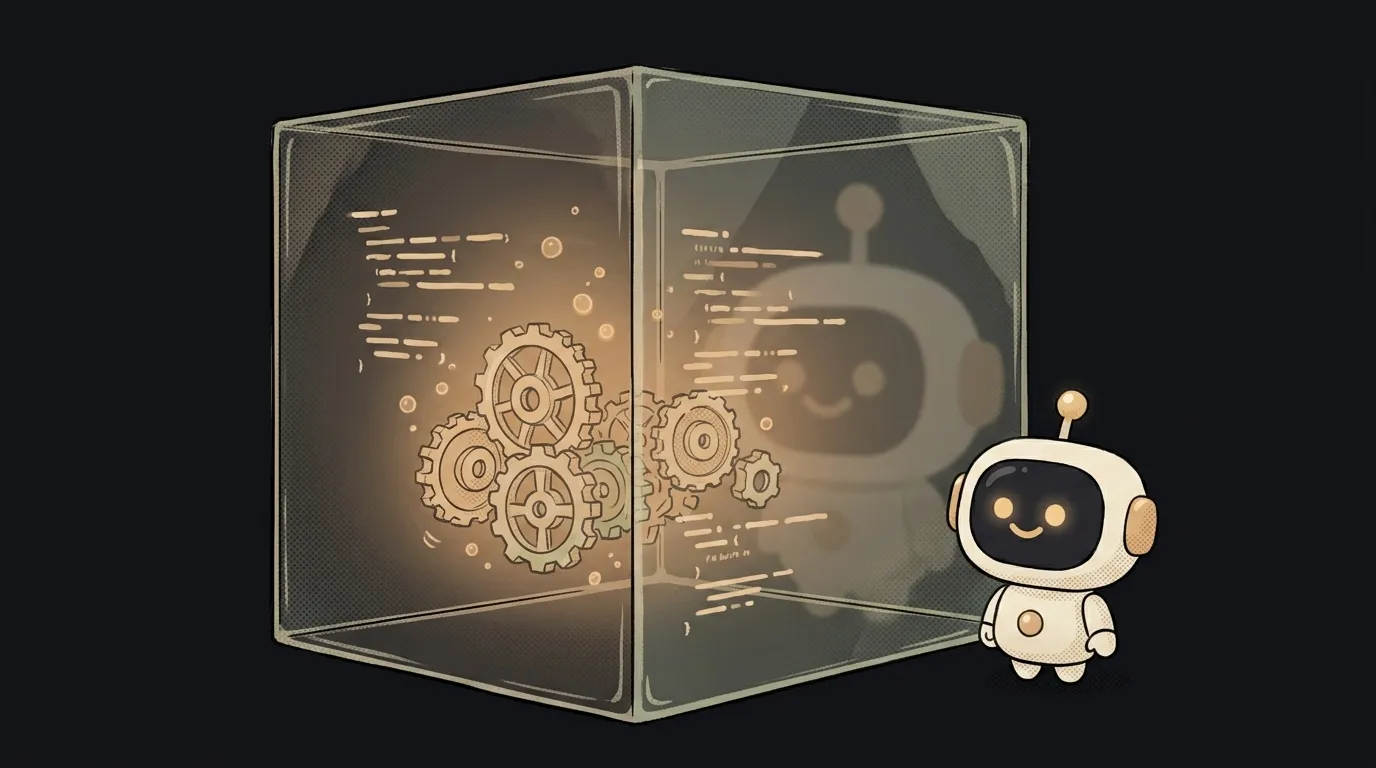
What is a sandbox — and why it's safe to let an AI agent run code
A sandbox is an isolated box where an agent's code can't reach your files. What a sandbox is and why without one it's scary to give AI access.
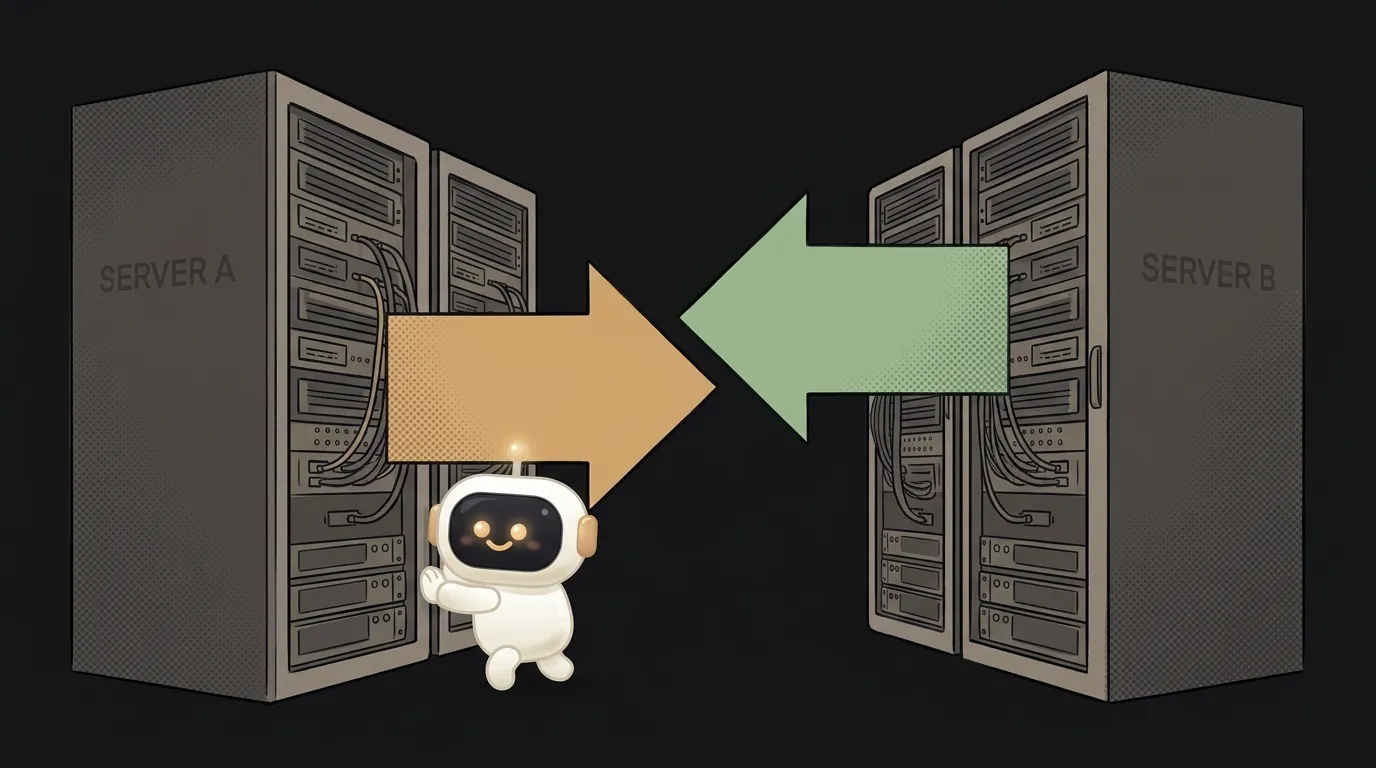
API or webhook — what's the difference and when to use which
Both let two programs talk, but the direction is opposite. The difference between an API and a webhook, and when to pick each one.
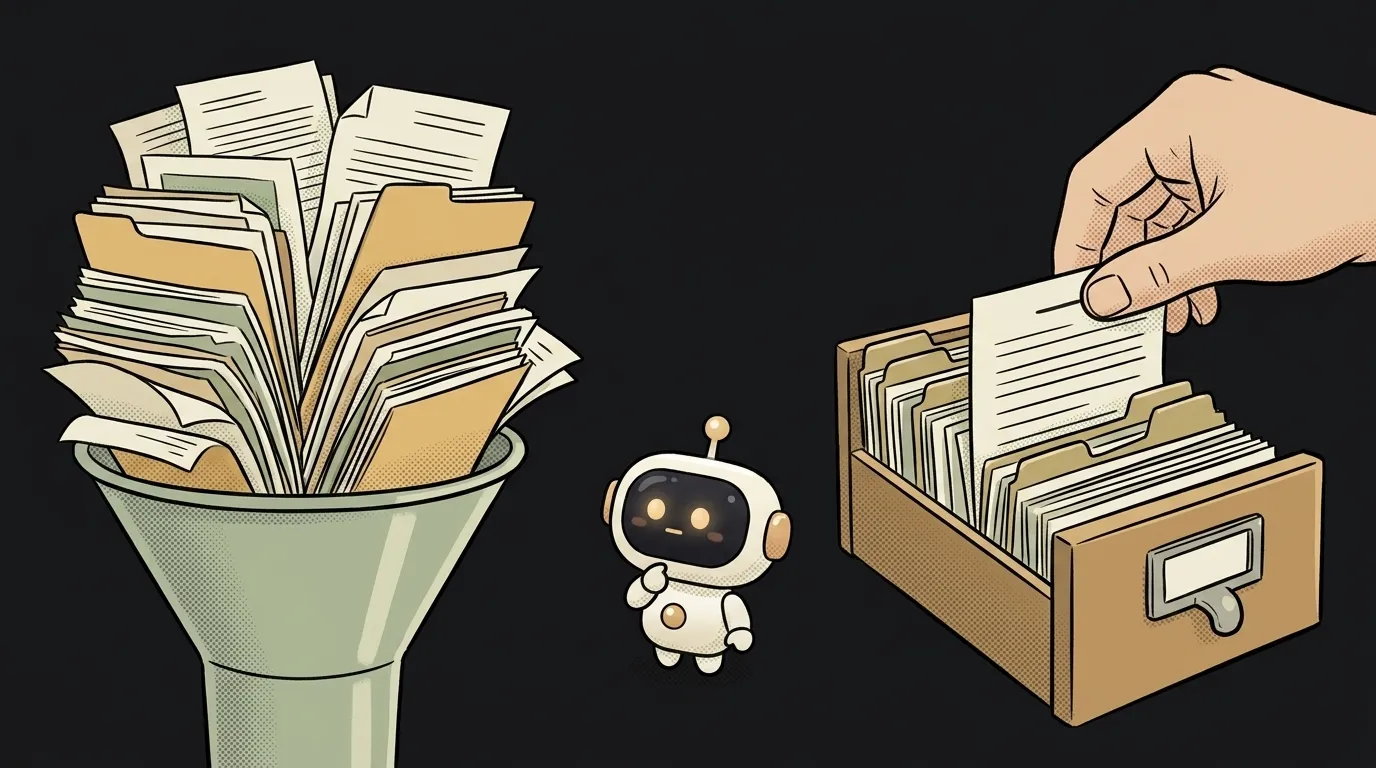
RAG or long context — paste your documents in or search through them
Context windows grew to a million tokens — so is RAG obsolete? Not so fast. We compare RAG and long context on cost, freshness, and reliability.
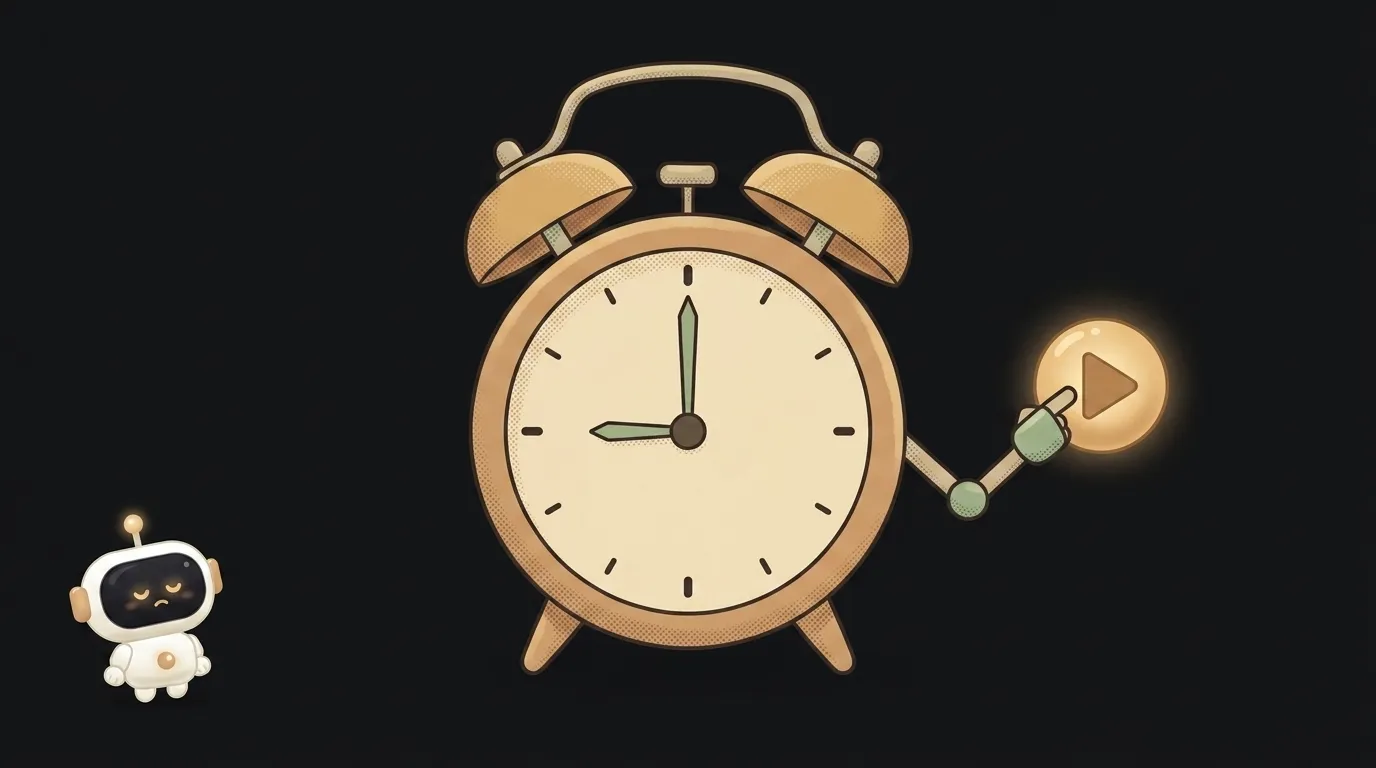
What is cron — how to run a task on a schedule while you sleep
Cron is an alarm clock for code: it runs a task on schedule by itself. Here's the five-star syntax and where to turn it on so automation works without you.
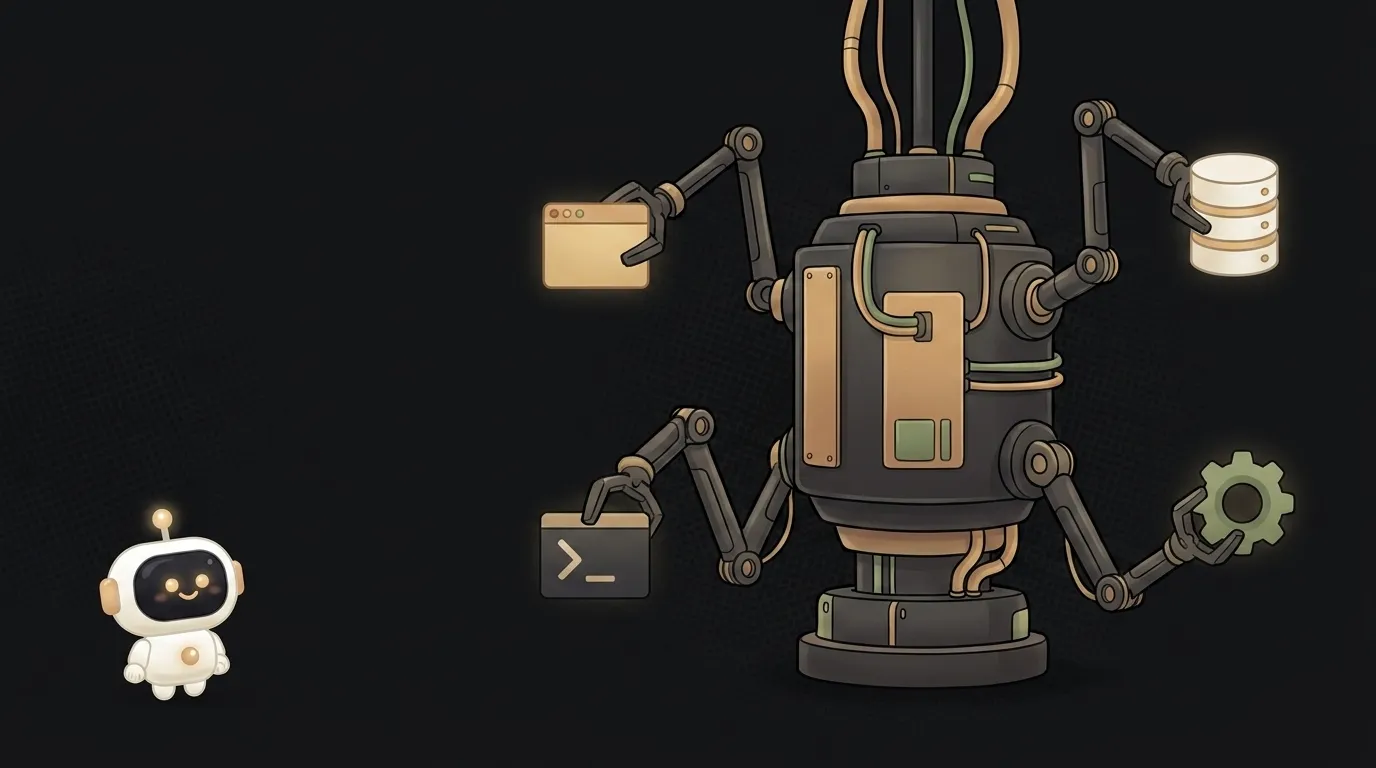
What is agentic AI — and how it differs from a plain agent
An agent does the task you hand it. Agentic AI decides for itself what steps a goal breaks into, then works through them. The difference, in plain words.
Why your bot forgets what you talked about — and how to fix it
Bot loses the thread and re-asks what you already said? Usually it's not a glitch. Three real reasons AI forgets context, and what to do about each.
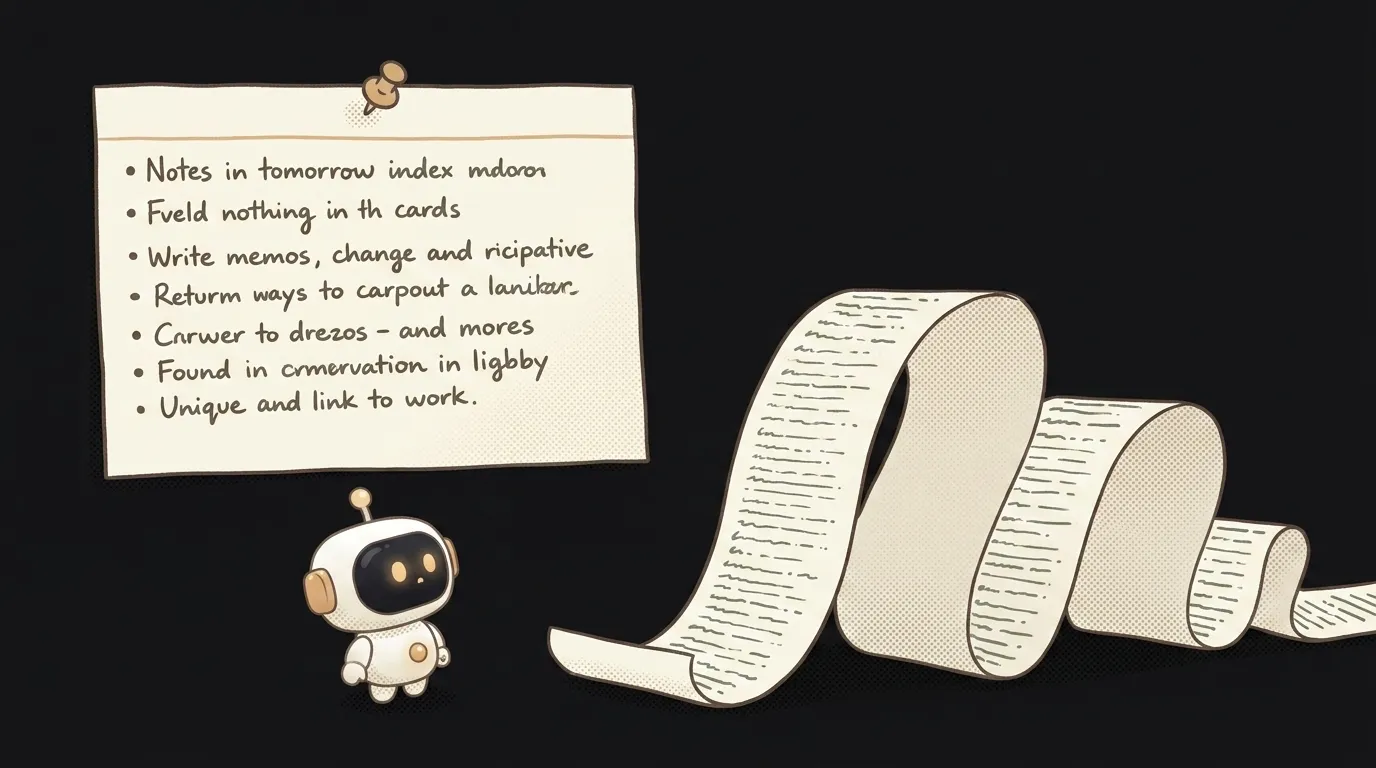
What is AI memory — and why the model forgets what you said a minute ago
What memory means for an AI assistant: why the model doesn't 'remember' but re-reads the chat from scratch, how chat memory differs from persistent memory, and how to use each.
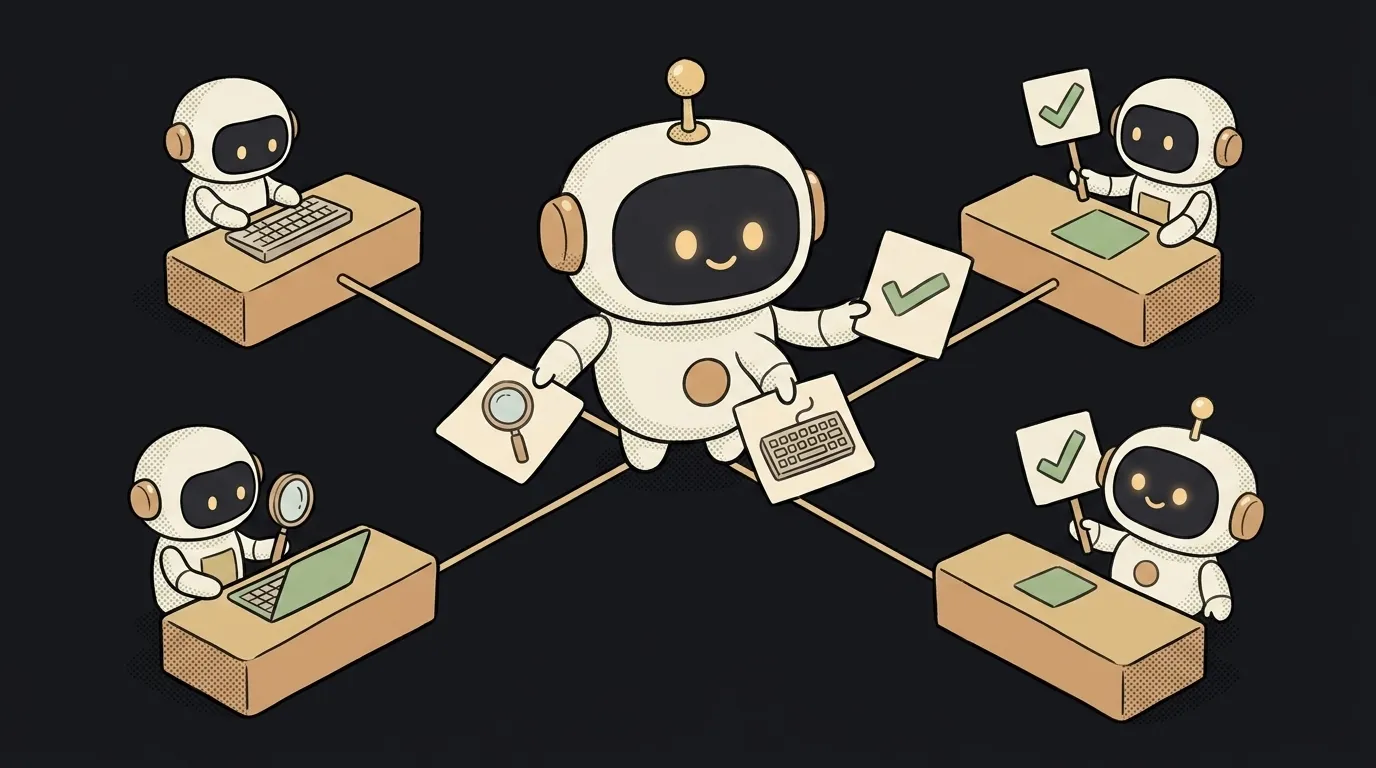
What is a multi-agent system — and why five narrow AIs beat one do-it-all
A multi-agent system is a team of AI agents, each with its own role. Here's when the team is truly smarter than one agent, and when it's just pricier.
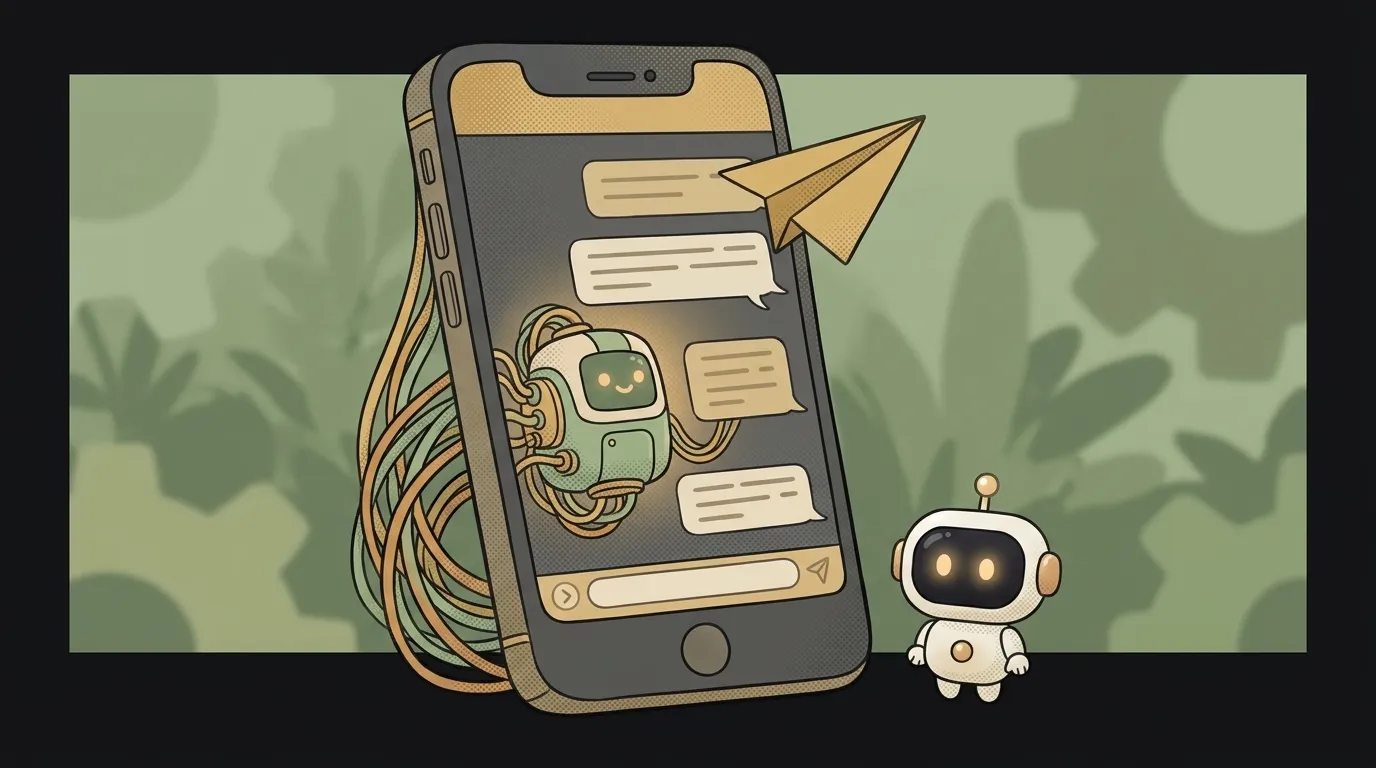
How to build an AI Telegram bot — 6 steps, and where people get stuck
A Telegram bot is the fastest way to give your AI real users today. Step by step: the token, a handler, the model call, a safe key, and deploy.
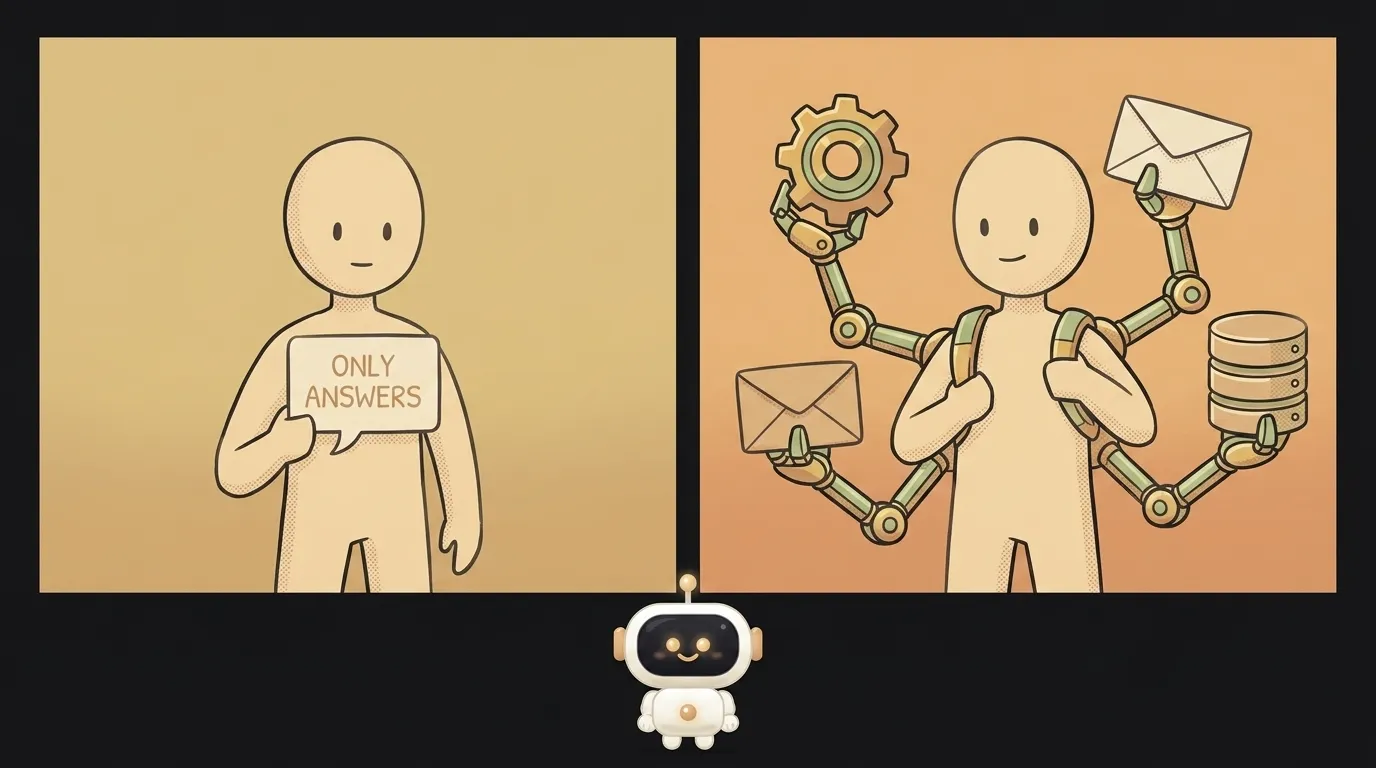
Chatbot or agent — what's the difference and what a beginner should pick
A chatbot answers, an agent acts. The difference isn't how 'smart' the model is — it's whether the AI can press buttons itself. We compare and tell you what to pick.
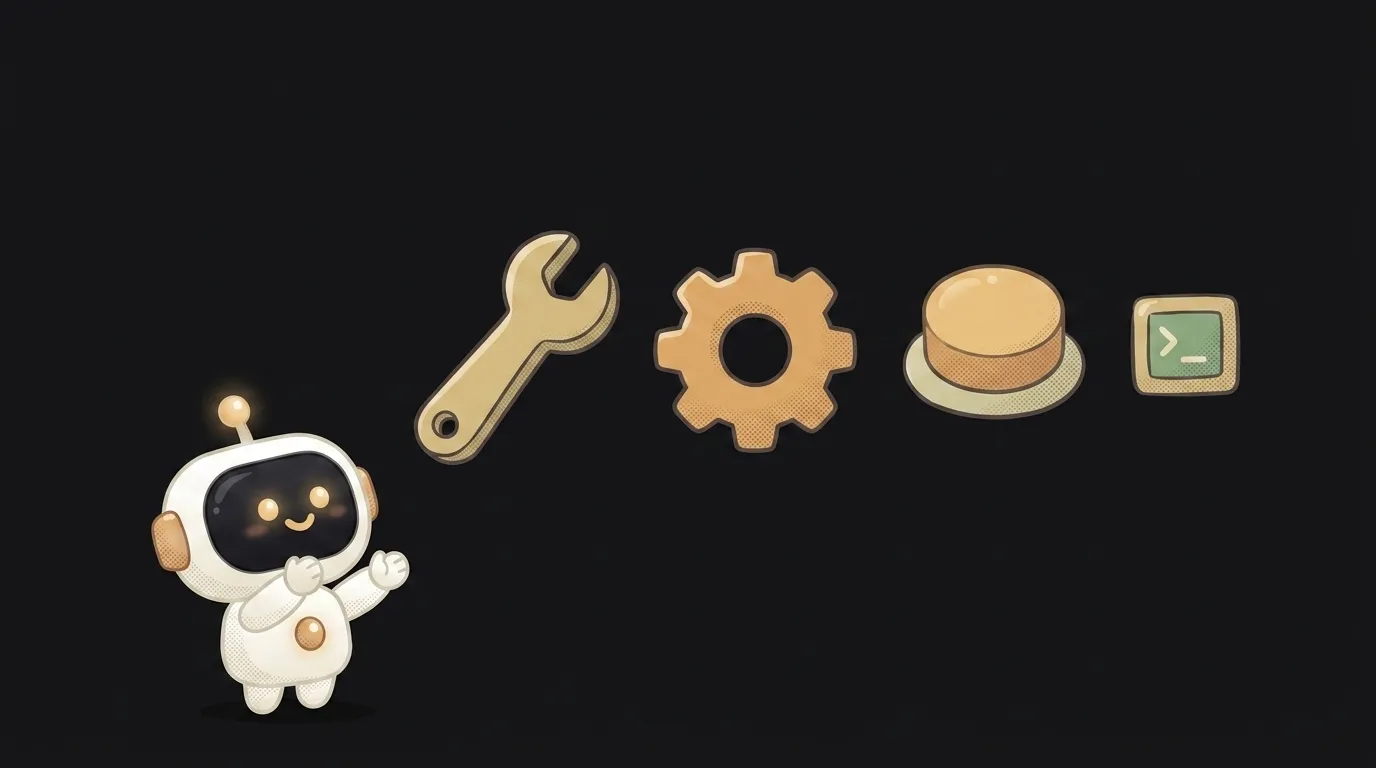
What is tool use — how an AI agent presses real buttons
A model does nothing on its own — it only writes text. Tool use turns that text into real actions. Here's how it actually works.

What is a webhook — and why it works on the 'don't call me, I'll call you' principle
A webhook is when a server knocks on your door the moment an event happens, instead of you polling it forever. Here's what it is, in plain words.
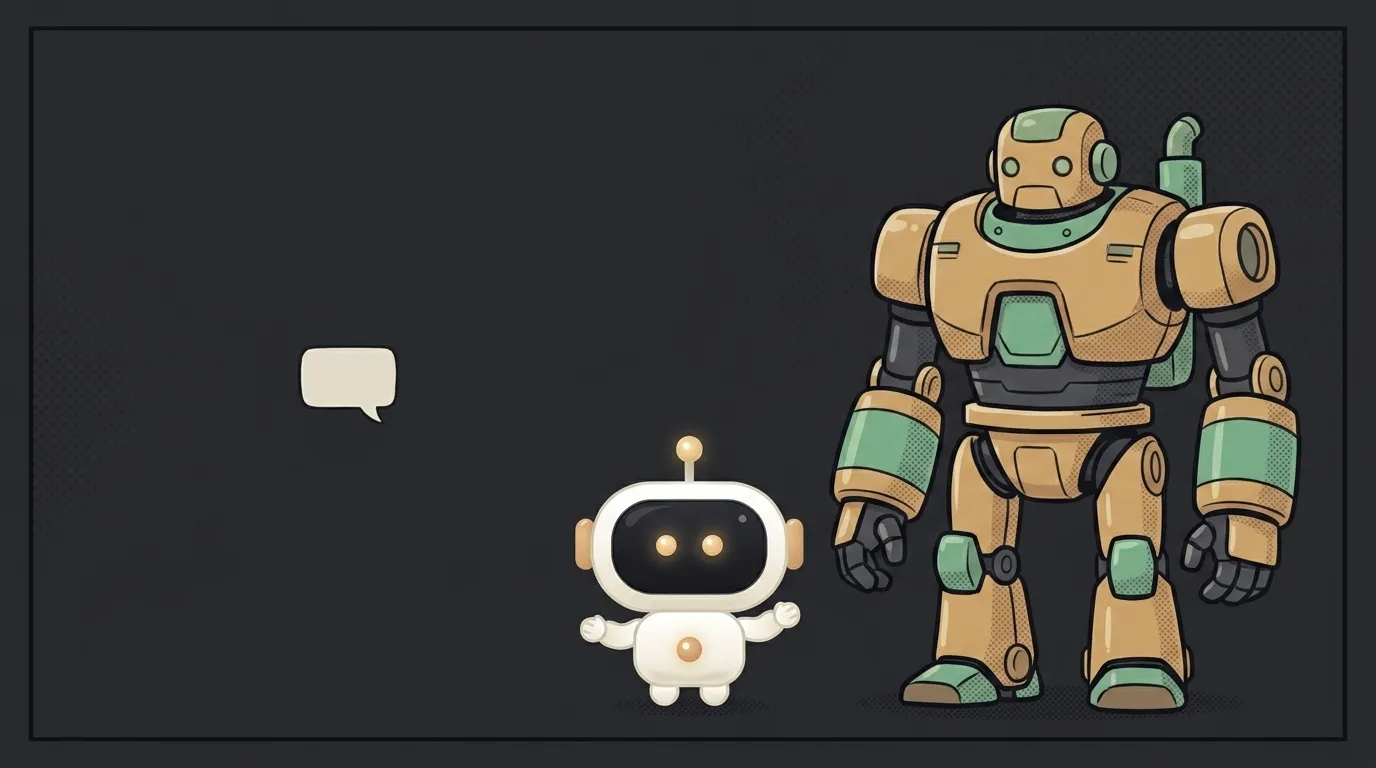
What is an AI agent, in plain words — and how it differs from a chatbot
A chatbot answers, then waits. An agent acts: it opens your files, runs the code, reads the error and fixes it. The difference is what it does, not just what it says.
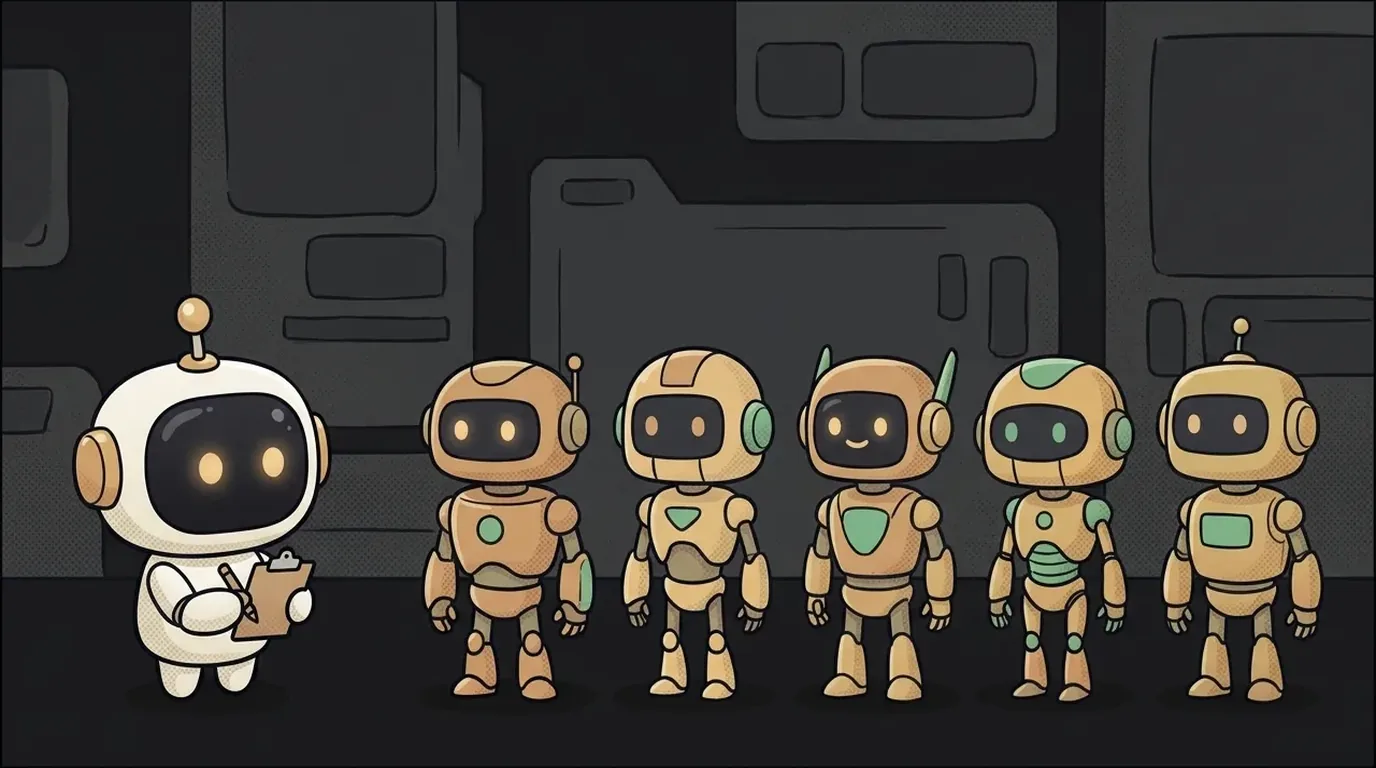
One prompt, a whole app: five agents on one task — and the best didn't win
We gave five agents one brief — build a habit tracker. The winner wasn't the fastest or the smartest, but the one that asked a question first.