What is a sandbox — and why it's safe to let an AI agent run code
An AI agent doesn't just write you code — it runs it right away, checks that it works, and fixes the errors itself. The normal human reaction: wait, won't it wipe half my computer with some stray command?
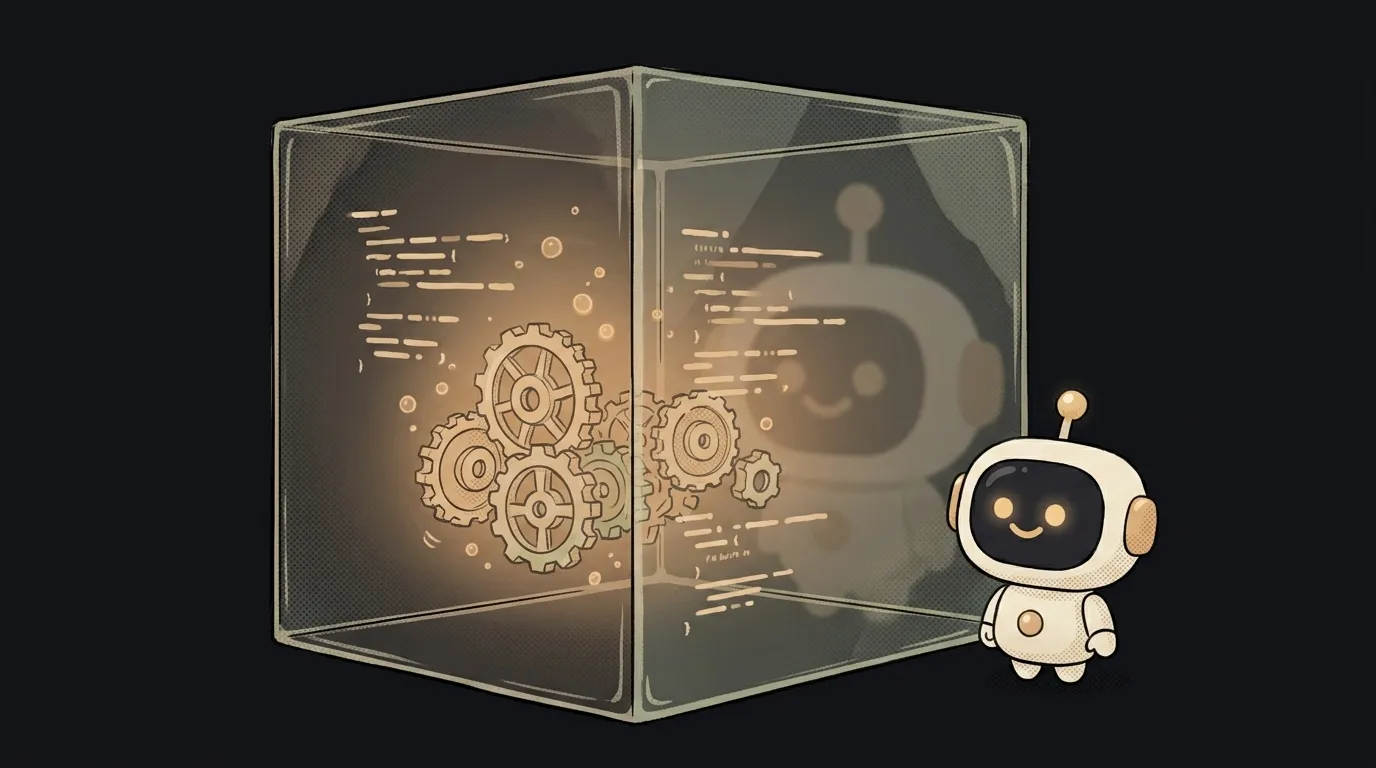
It won't. And the reason is one word: sandbox. The agent runs the code not on your machine directly, but in an isolated box, where even a "delete everything" command can't reach your real files. The sandbox is exactly what turns "scary to give access" into "safe to."
What a sandbox is
A sandbox is an isolated environment where code can run but can't harm anything outside it. Inside, it has everything it needs: its own files, its own internet, its own temporary data. Outside — a solid wall.
The name is literal. A kid in a sandbox digs, builds, wrecks — and whatever they get up to, it stays in the sandbox. The yard, the house and the flowerbed are safe. With code it's the same: made a mess inside — wipe the sandbox, start fresh, everything else intact.
How it isolates
The point is that a sandbox cuts the code off from anything valuable. It usually limits three things:
- Files. The code sees only the files inside the sandbox, not your desktop, documents and keys.
- Network. Internet access is often trimmed or off — so the code can't leak data or reach where it shouldn't.
- Time and resources. There's a cap: if the code loops forever, the sandbox kills it instead of hanging the whole system.
If something breaks inside, the box is simply thrown away and a clean one is created. Your real machine doesn't even notice.
Why it matters for AI agents
This is where the sandbox becomes critical. An agent is a model that's been given hands: it decides for itself what code to write and run to get the job done (tool use). And a model makes mistakes. It can also be tricked — slip a malicious instruction into the data (prompt injection) and the agent will carry it out for real.
Without a sandbox, any such mistake hits your real system. With a sandbox, the damage is locked inside the box: the agent can screw up, but only in an isolated space you don't mind erasing. That's why agentic systems that write and run code almost always do it in a sandbox.
Where you meet it
More often than you'd think. "Code Interpreter" and "run code" in chatbots — that's a sandbox. Online editors where code runs right in the browser — also. Cloud agents that build you an app run every command in an isolated environment. You don't see it — but that's exactly why they can be trusted to "run it and check."
Is a sandbox the same as a container?
Close, but no. A container is a way to package a program with its whole environment so it runs the same anywhere. A sandbox is a goal: to isolate code for safety. Containers are often used to build a sandbox, but a sandbox is about "do no harm," and a container is about "runs the same everywhere."
So can I fully trust an agent in a sandbox?
No — a sandbox limits the damage, it doesn't make the agent infallible. Inside the box it can still ruin its own work, burn extra money on requests, or return a wrong result. A sandbox protects your system from catastrophe; it doesn't guarantee the agent did everything right. Checking the result is still on you.
Short story-lessons, an agent simulator and daily practice — in our mobile app. Free.
Read next
What is an Agent Skill — and why it costs almost nothing
What is a subagent — and why it saves context, not time
Agent Skills or MCP — which to choose and how they really differ
Why my MCP server won't connect — 4 causes, most common first
What is AGENTS.md — the file your AI agent reads before you ask