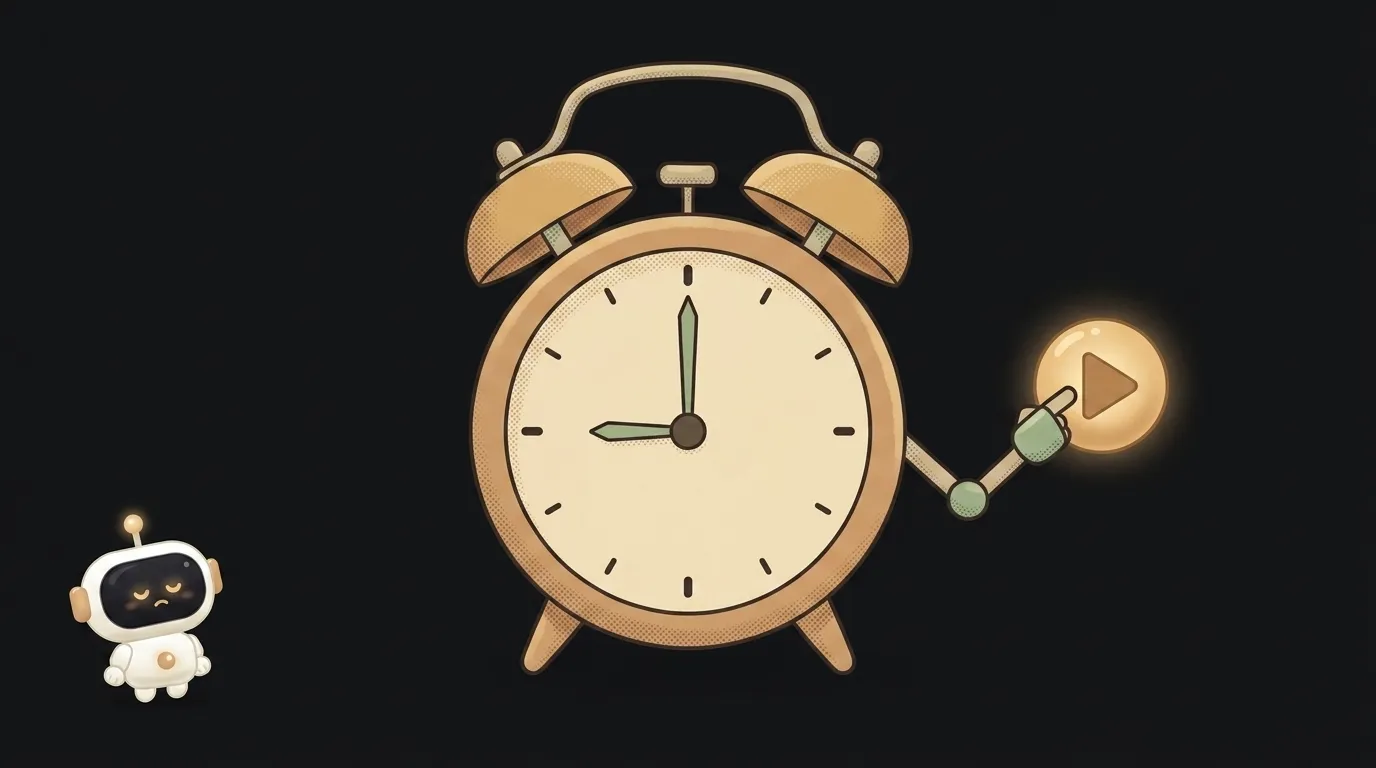
What is an AI agent, in plain words — and how it differs from a chatbot
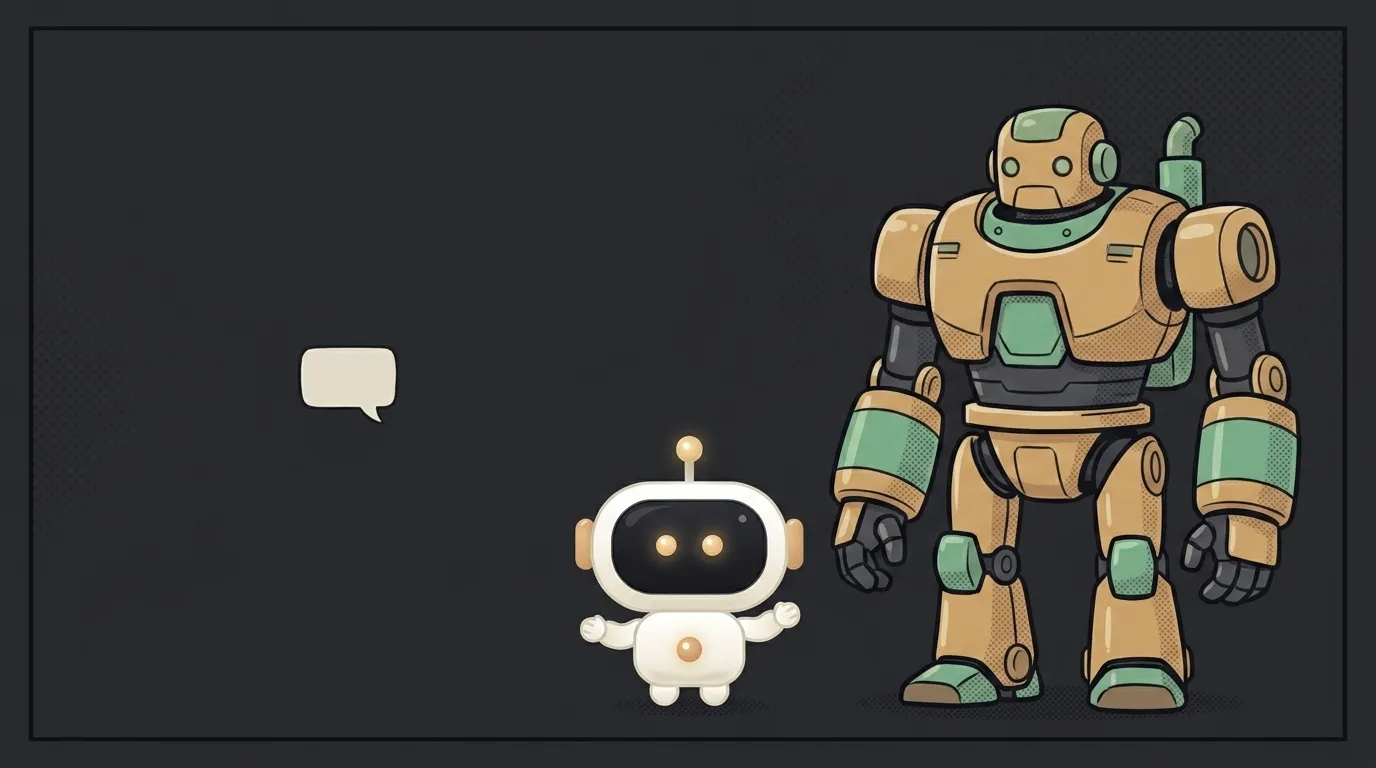
Here's a simple thing. Ask a chatbot, "why is my code failing?" — it writes a tidy answer and then goes quiet. The rest is on you: copy, paste, run, check.
Now picture this instead: it opens your file itself, runs the code itself, sees the error itself — and fixes it. Then it reruns to make sure the fix actually worked.
That's an AI agent. The difference isn't that it's smarter. The difference is that it does things, not just talks about them.
A chatbot talks. An agent acts
A chatbot is someone you talk to. You ask, it answers, it waits for the next question. You do everything with your own hands.
An agent is someone who gets things done. You hand it a goal, and it breaks that goal into steps and goes off to do them. Open the file, run it, look at what happened — that's its job now, not yours.
The honest real-life version: you can call a friend and ask for directions — that's a chatbot. Or you can get in their car, and they just drive you there — that's an agent. Same brain, but one talks and the other takes you.
What an agent is made of
Inside, it's simpler than it sounds. Three parts.
- The model — the "brain" that thinks. On its own it can do exactly one thing: write text in response to text.
- Tools — its "hands". Open a file, run code, reach the internet. Without them the model just talks; this is exactly where MCP comes in — the common port you plug those hands in through (we covered it in its own piece).
- The loop — the thing that turns "brain plus hands" into a worker that actually finishes the job.
The loop is the whole point
This is the heart of an agent. It runs the same circle over and over until it works:
- Plan — figure out the next move. "First I'll open the file and see where it breaks."
- Act — take one step with its tool-hands. Run the code.
- Check — look at what happened. Did it work? Or did a new error pop up?
- Repeat — if it didn't work, the agent sees its own miss and goes again. Smarter this time, knowing what it just saw.
A chatbot never runs this circle — it gives one answer and stops. An agent loops on its own until the goal is met. That's why it finishes the job instead of leaving you a list of tips.
To remember where it was three steps ago, an agent needs memory — notes on what it already tried and how that turned out. Without memory it would start each loop from a blank page and walk into the same rake every time.
Why this matters to you
"Agent" gets slapped on everything these days. Now you have a simple way to tell whether you're looking at a real agent or just a chatbot:
- Does it act, or only advise? If all you get back is text and you still do everything by hand — it's a chatbot, whatever it's called.
- Does it check itself? A real agent looks at the result after acting and redoes it if it came out wrong. That's the loop.
- Does it have hands? Ask what tools it can reach. No tools means no actions — just talk.
Keep one picture in your head: agent = model + tools + a loop of "plan → act → check → repeat". A chatbot answers. An agent takes a goal — and won't let go until it's done.
Short story-lessons, an agent simulator and daily practice — in our mobile app. Free.
Read next

AI agent vs workflow — when the AI decides, and when to keep it on rails
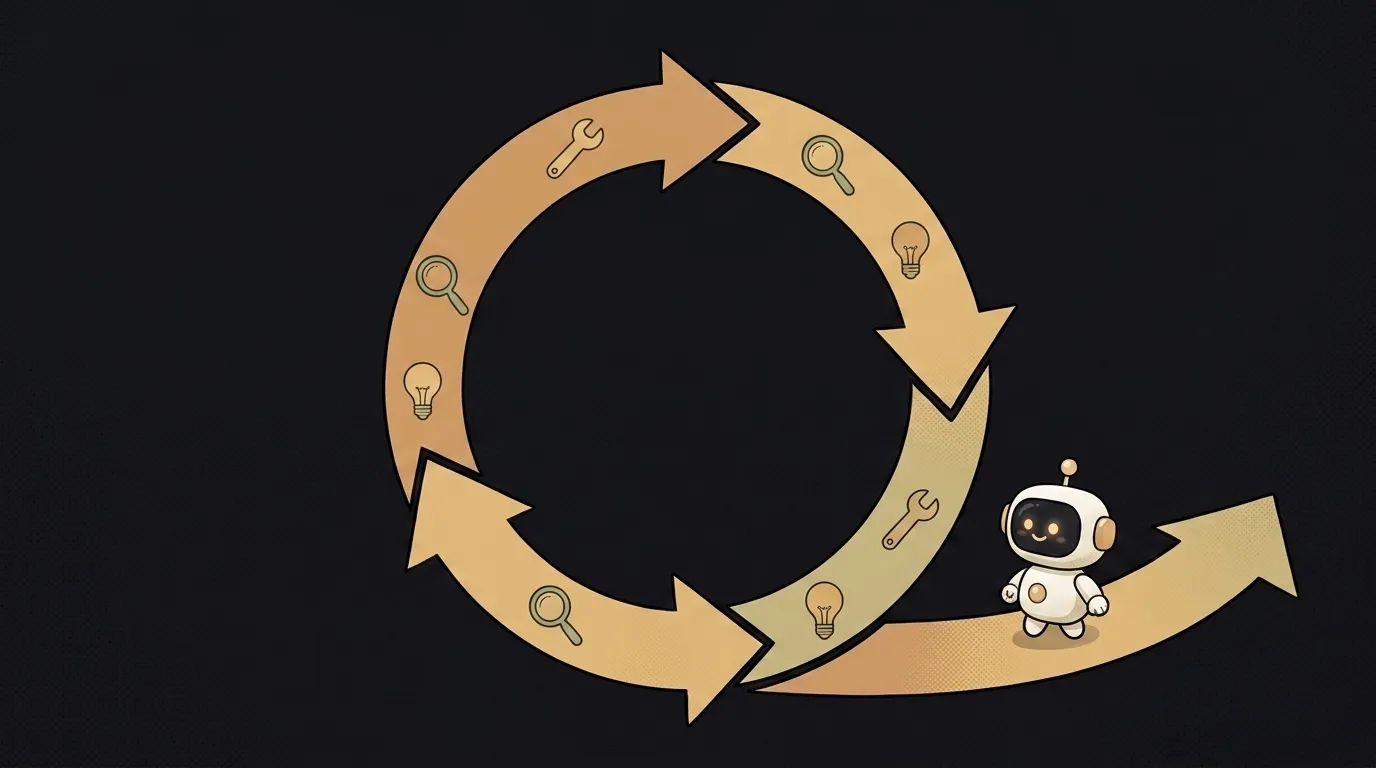
What is an agent loop — how an AI finishes a task on its own
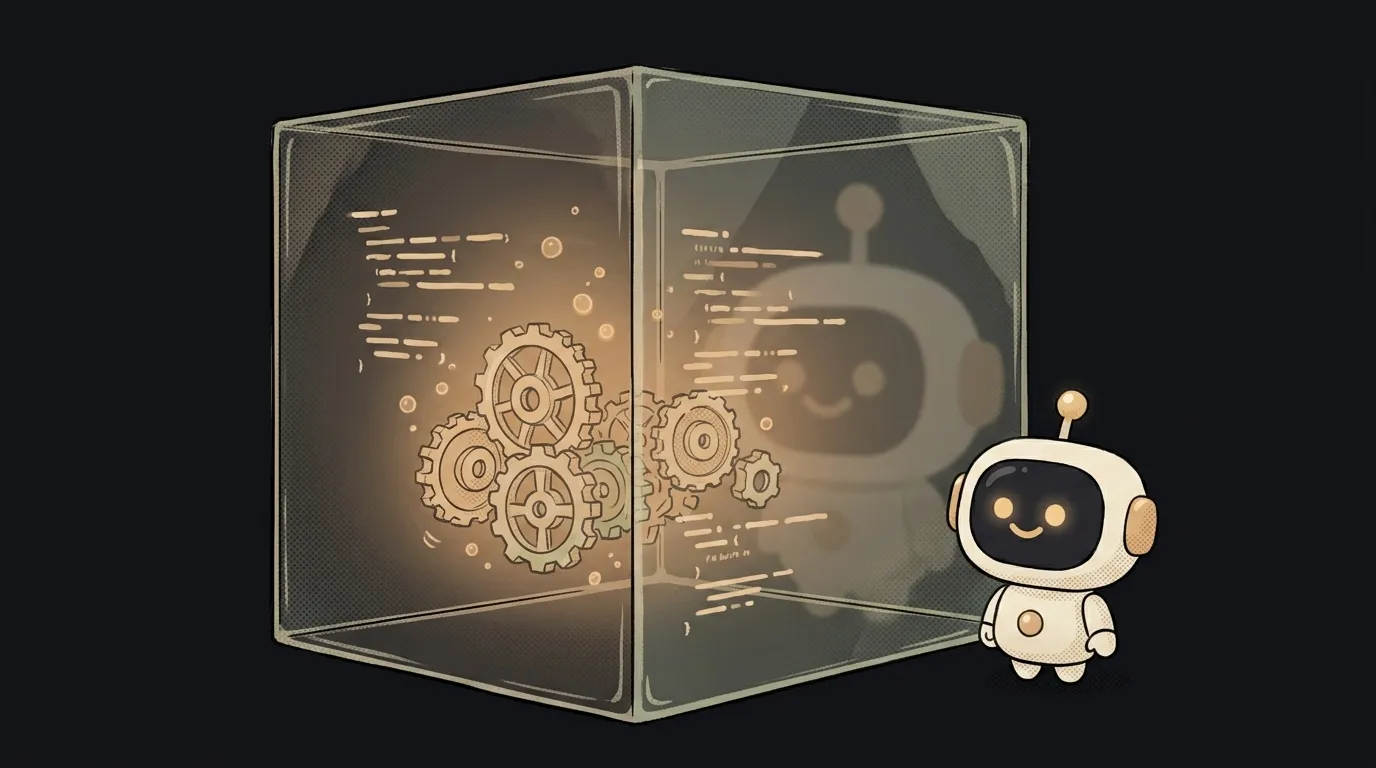
What is a sandbox — and why it's safe to let an AI agent run code
API or webhook — what's the difference and when to use which
RAG or long context — paste your documents in or search through them