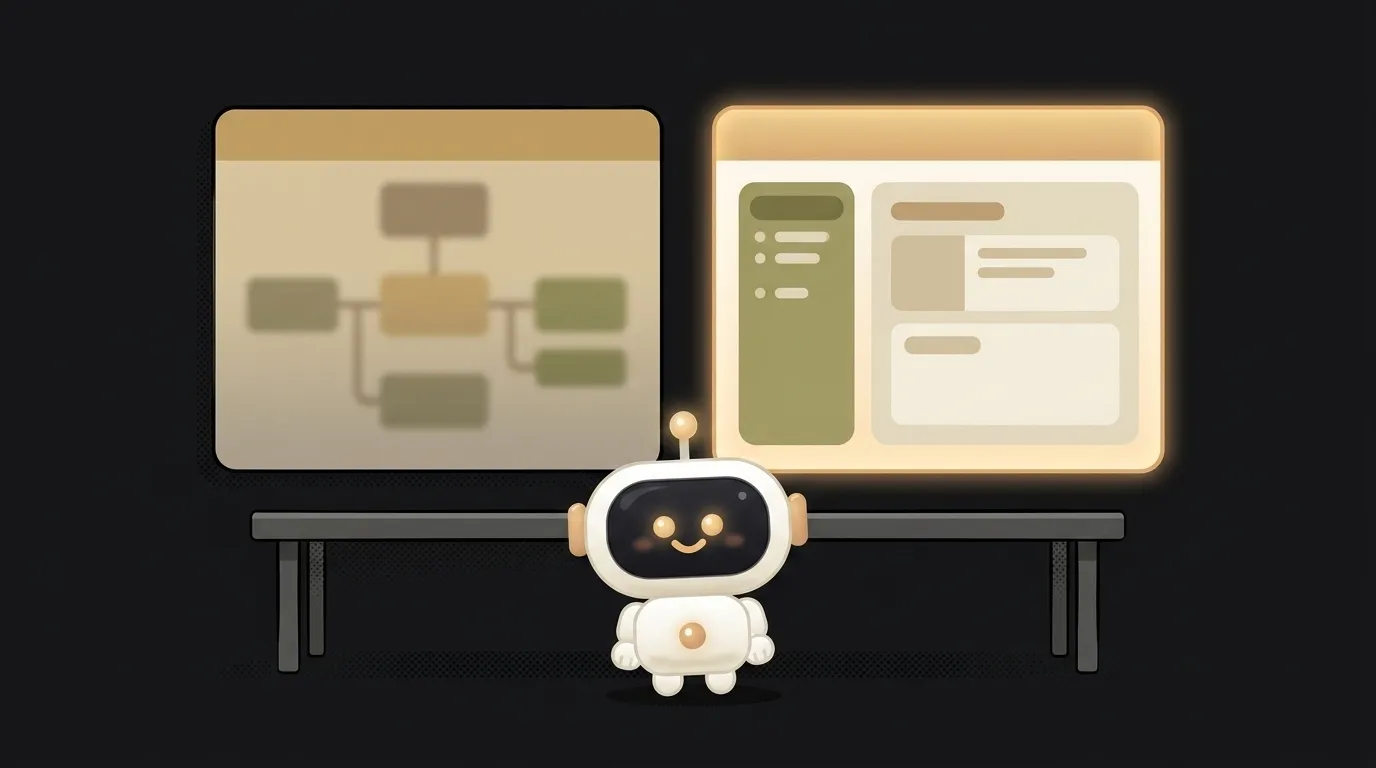
ChatGPT subscription or the API — two different products, and here's which one you need
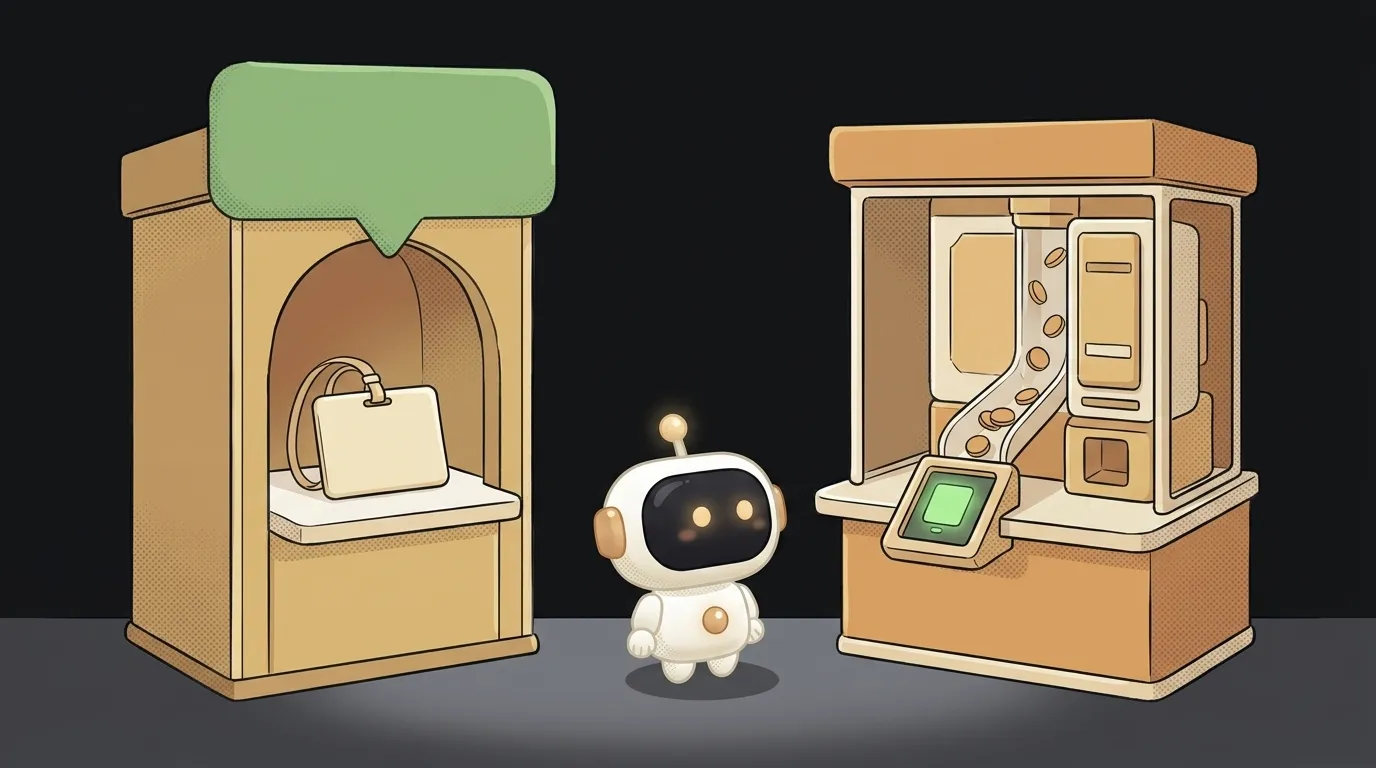
A familiar story: someone pays for ChatGPT Plus, sits down to build their Telegram bot, and starts looking for where to paste their subscription login into the code. Here's the surprise that saves the evening: a subscription gives you no API access at all. They're two separate products with two separate bills — at OpenAI, at Anthropic, at Google, everywhere. You can pay for a subscription for years and never own a single API key. And vice versa.
What a subscription gives you
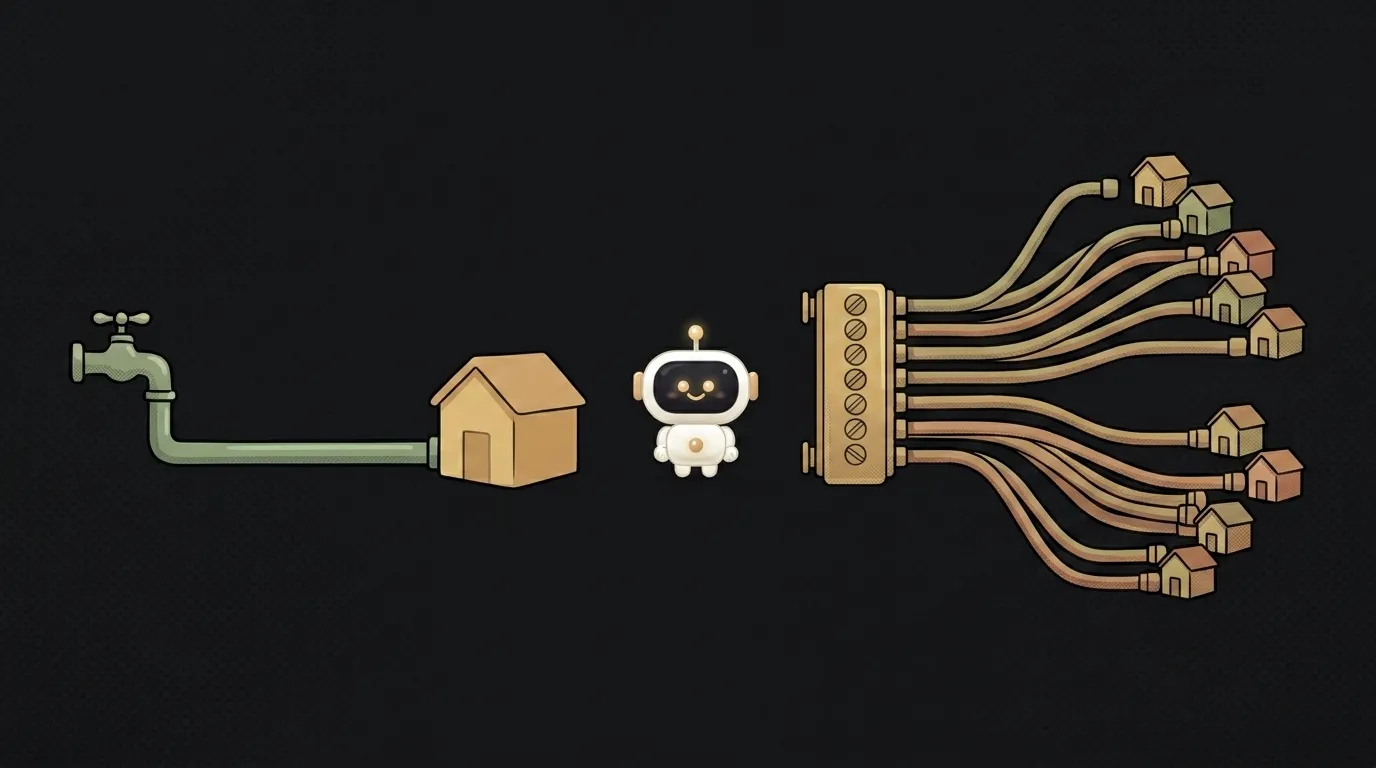
A subscription is a season pass to a ready-made interface: the website and app where you talk to the model. A flat monthly price — and inside it, generous message limits, access to the strong models, voice, images, file uploads.
The key word is "you." A subscription is built for a human at the screen. It's about your personal productivity: writing, learning, dissecting code in chat, brainstorming. There's no key for programs anywhere in it.
What the API gives you
The API is access for code. You get an API key — a password string your application attaches to its requests — and you pay not a flat fee but for actual volume: every request is measured in tokens, with separate prices for input and output.
No interface is included: the API is a bare power socket. But you can plug anything into it: a bot, a website, a script that sorts your inbox overnight.
Head to head
| Criterion | Subscription (Plus and friends) | API | |---|---|---| | Price | flat monthly fee | per token, as used | | Who uses it | you, in the chat | your code | | Key for your app | no | yes | | Limits | messages per period | balance + rate limits | | Idle time | you pay even if you never logged in | no usage — no charge | | Main risk | paying for an unused month | a buggy loop burning your budget |
Which is cheaper
Depends on who the consumer is.
For you personally, heavy chatting on a subscription is almost always cheaper: the same volume through the API, priced per token, would cost more than the flat fee. A subscription is an "unlimited travel pass" for a human.
For an application, it flips. A bot answering a couple hundred short questions a day on a cheap model can cost less than a cup of coffee per month — far below any subscription. But the bill grows with traffic and context length, so watch your tokens: how to cut AI costs is covered separately. And set a spending limit in the dashboard before launch: one infinite request loop is the classic way to learn everything about billing.
Who should pick what
No fence-sitting:
- Learning, writing, vibe-coding in the web interface → subscription. You don't need the API yet.
- Building a bot, an AI-powered site, an automation → API. A subscription does nothing for that project.
- Doing both → you'll end up with both bills, and that's normal: the subscription is your working tool, the API is your product's fuel. Most developers live exactly like this.
Starting from zero and unsure where it goes? Get the subscription, and plug in the API the day you first write code that needs a model. That's the day your code makes its first API request — not before.
Can I use my subscription inside my app?
No. Subscriptions issue no keys, and automating the web chat with a bot is against the services' terms — such workarounds break fast and get banned. For code there's exactly one honest path: the API.
Is it the same with every provider?
Yes, the scheme is identical: OpenAI, Anthropic and Google sell the chat subscription separately and API access separately, billed per token. Prices and limits differ, but not the model itself: "a pass for the human, a meter for the code."
Short story-lessons, an agent simulator and daily practice — in our mobile app. Free.
Read next
Claude Code or Codex — and why price is the worst way to choose

Word blocklist vs AI moderation — what to filter user content with
npm vs pnpm vs yarn — which package manager to pick as a beginner
OpenAI API vs OpenRouter — which one to plug into your project
Ollama vs LM Studio — which to pick for running AI locally