Free AI image generators — 6 that actually work in 2026
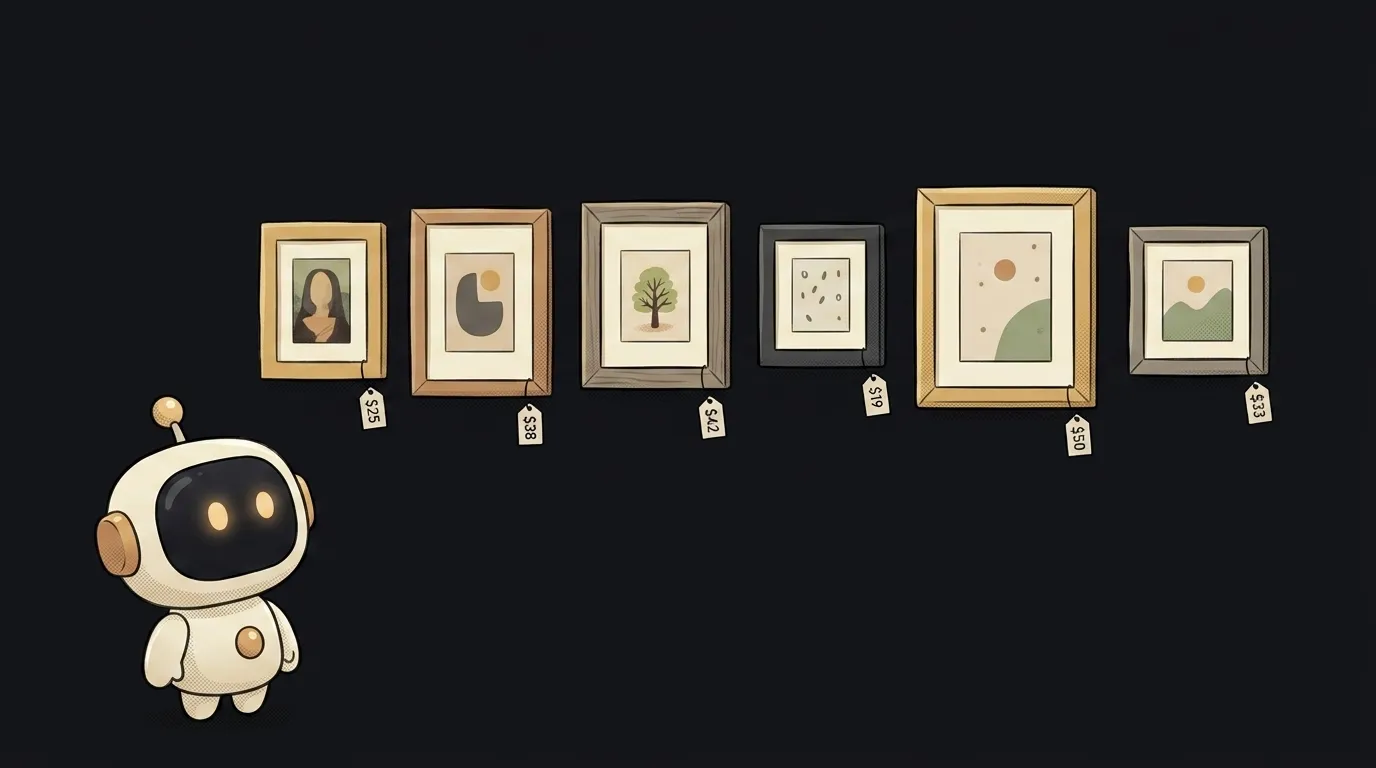
"Free image generator" is a trap phrase. Free means something different for each: one gives 20 images a day, another "unlimited, but run it on your own machine," and a third was free yesterday and isn't today. So you choose not "the best one," but the one for your task. Here are six that actually work right now — each with an honest "but."
1. Google Gemini — the best default for most people
Don't want to think? Start here. The Gemini app gives roughly 20 free images a day, and the model is strong on real-world things: recognizable places, landmarks, and cultural details come out more accurate than most, because it leans on Google's knowledge. A solid everyday all-rounder.
But: a daily limit and a Google account tie-in. You won't crank out a batch at once.
2. Microsoft Bing Image Creator — the easiest way in
All you need is a Microsoft account — no install, no card. It runs DALL·E 3 and produces solid general-purpose images. Free tier: around 15 "fast" generations a day, slower after that, but with no hard ceiling.
But: without a boost the queue noticeably drags, and the style is fairly "average," with no strong personality.
3. Ideogram — when you need readable text in the image
Its standout feature: text inside the image that actually reads. A poster with a headline, a cover with a quote, a mockup with a label on a product — most generators turn the letters to mush, while Ideogram keeps them clean. Free tier: about 10 generations a day.
But: only 10 a day and a slow free queue. No good for volume; for "make a cover with text," the best.
4. Leonardo AI — pick a style for the job
Gives roughly 150 free "tokens" a day — about 15–35 images, depending on settings. Its strength is switching modes: photorealism, anime, concept art, product shots. Handy when you need a specific visual language, not "whatever came out."
But: tokens melt fast if you push high resolution. Treat them as a budget.
5. Flux — unlimited, if you have a GPU
Flux by Black Forest Labs is an open model: you can run it on your own machine and generate with no daily limits at all. With a beefier GPU (12 GB+ of VRAM), that's free, unlimited, and fully under your control — the data never leaves. By the way, under the hood of all these services are diffusion models; you just install Flux yourself.
But: you need that GPU and a bit of setup fuss. Not an "open a site and draw" option.
6. ChatGPT — edit the image by talking
Free, you get little — about 2–3 images a day. But the trick is unique: you fix the result with words, step by step. "Make the background darker," "move the text up," "change the shirt to blue" — almost no one else offers this live back-and-forth around one image. For nailing a single idea rather than churning out a batch.
But: the daily limit is tiny. Great for one polished image, not a series.
What's NO LONGER free (so you don't hunt in vain)
An honest heads-up: a couple of popular options left the free tier. Grok removed free image generation in spring 2026 — it's paid-subscription only now. Adobe Firefly closed its free credits in early 2026 — you need a subscription. If you hit an old guide recommending those "for free," it's outdated.
How to pick from these six
In short:
- simple and everyday → Gemini or Bing;
- text in the image → Ideogram;
- a specific style → Leonardo;
- unlimited and private → Flux (if you have a GPU);
- polish one image to perfection → ChatGPT.
And remember: 80% of the result comes not from the generator but from how you describe the image. Same skill as everywhere with AI — how to write a good prompt. And if you're building visuals for a project with no designer, check the roundup of AI design tools.
FAQ: Can I use these images commercially?
Depends on the service and tier — each has its own rules for the free level. Before putting an image on a sales landing page or a product, read that generator's terms: sometimes commercial use is allowed only on a paid tier.
FAQ: Why does the same model give me and a blogger different results?
Usually it's the prompt and settings (style, resolution, number of steps), not "their version is better." Free tiers are sometimes slightly trimmed on quality, but the description decides first.
Short story-lessons, an agent simulator and daily practice — in our mobile app. Free.
Read next
Claude Code or Codex — and why price is the worst way to choose

Word blocklist vs AI moderation — what to filter user content with
ChatGPT subscription or the API — two different products, and here's which one you need
npm vs pnpm vs yarn — which package manager to pick as a beginner
OpenAI API vs OpenRouter — which one to plug into your project