#algorithms
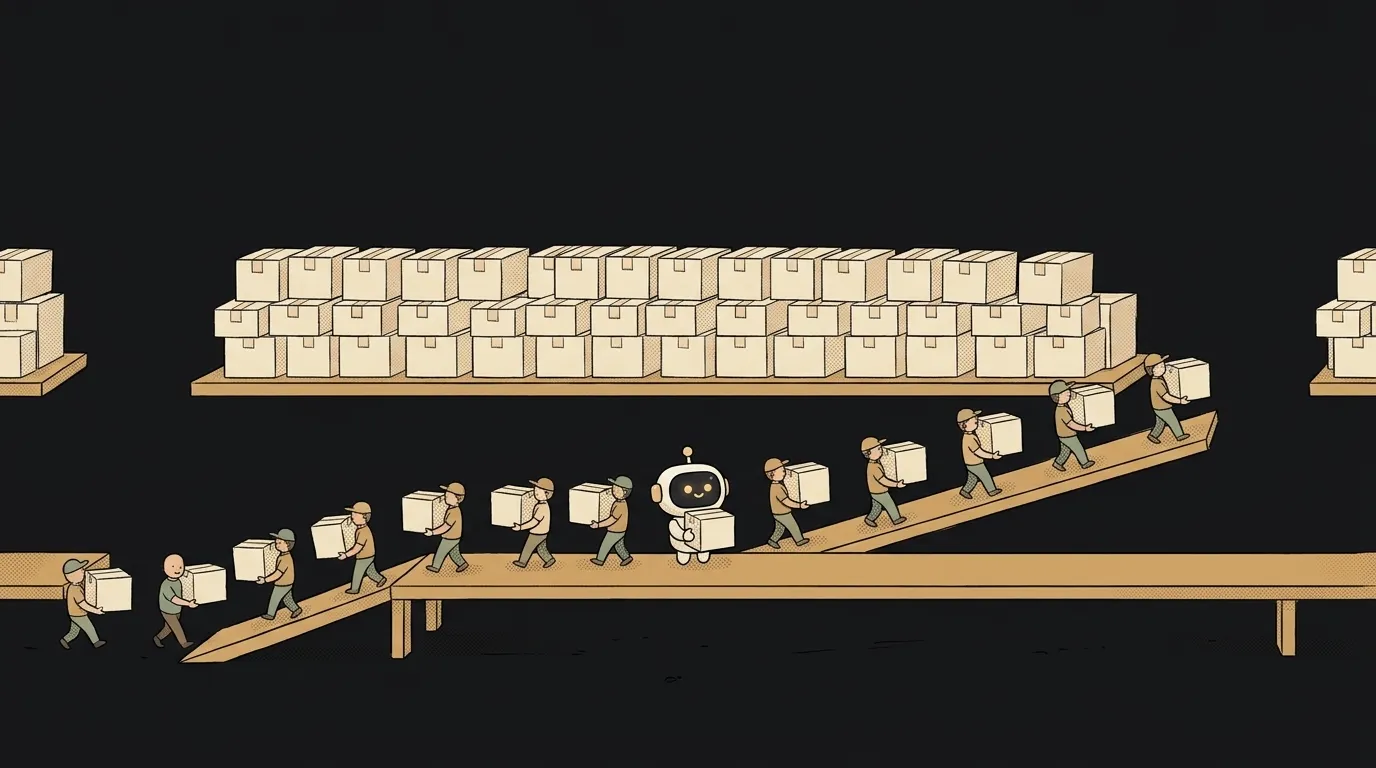
What is a dynamic array — and why push sometimes copies everything
A dynamic array in plain words: what capacity is, why push is almost always instant but sometimes copies the entire array, and when you'll actually notice.

What is an LRU cache — and why a cache with no limit becomes a memory leak
LRU cache explained simply: how it decides what to evict, why a plain-object cache eats your memory, and how to build an LRU on a JavaScript Map in 15 lines.

What is a sliding window — the trick that finds your 'best week' in one pass
Sliding window explained simply: how to find your best sales week without a nested loop, fixed vs flexible windows, and what it has to do with rate limits.

What is a Bloom filter — the data structure that lies, but only one way
Bloom filter explained simply: how it answers 'definitely not' or 'maybe yes', why 10 bits per item is enough for 1% errors, and where databases use it.
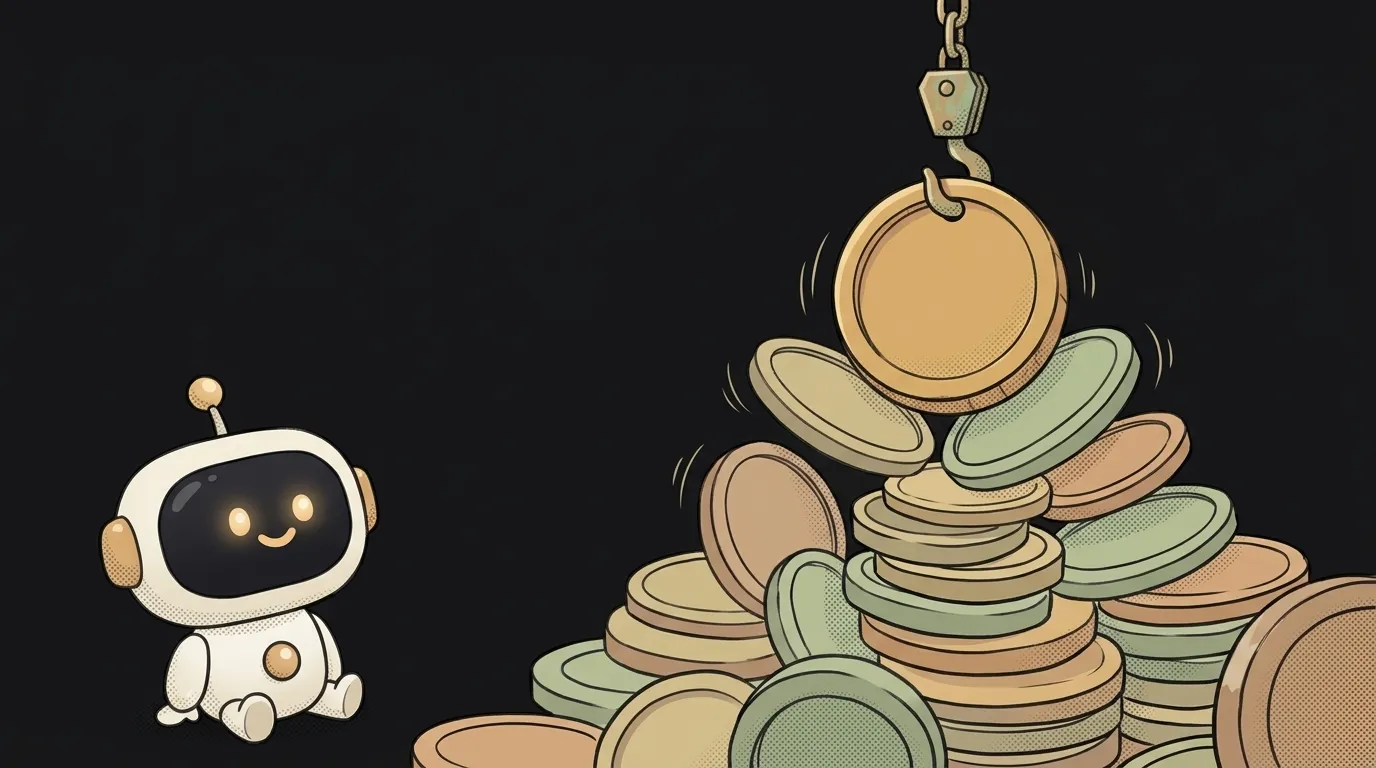
What is a priority queue — and why its array looks unsorted
What a priority queue and a heap are, in plain words: grab the most urgent item in log n steps, find the top 10 of a million lines, and stop sorting everything.

What is binary search — and how to find the commit that broke everything in 10 steps
What binary search is, in plain words: how it finds one item among a million in 20 steps, why order matters, and how git bisect hunts down the buggy commit.

What is a graph in programming — and why walking one can hang forever
What a graph is in programming, in plain words: points and the links between them. Where graphs hide in apps and maps, and why a graph walk can loop forever.