What is an AI wrapper — and why 'just a wrapper around GPT' isn't an insult
There's a phrase people love to use online to "kill" someone's AI startup: "eh, it's just a wrapper around GPT." It sounds like a verdict — nothing of your own, someone else's model under the hood.
Now the twist: half of all genuinely useful AI products are wrappers. And their value isn't in the model — it's in the wrapper. Let's see why.
What it actually is
An AI wrapper is an app that uses someone else's language model through an API, and adds everything else on top: the interface, its own data, the logic, and the prepared prompts.
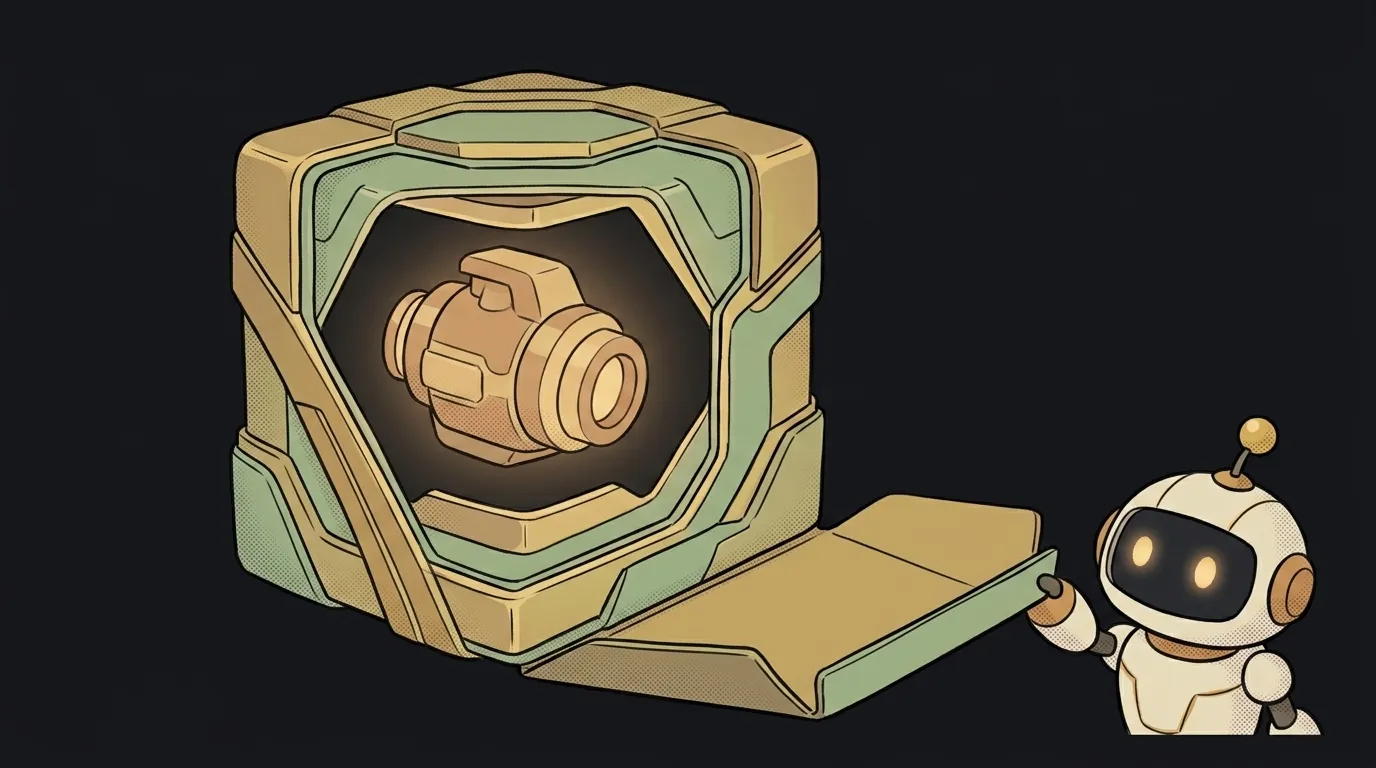
Picture the model as an engine. Powerful, but on its own it takes you nowhere — it's just a lump of metal on the garage floor. The wrapper is the car around the engine: the wheel, the seats, the body, the dashboard. You don't drive the engine; you drive the car.
Same here. GPT or Claude is the engine. The product you actually use is the wrapper around it.
What a wrapper is made of
If "wrapper" sounds like "two lines of code", here's what's really inside.
- Crafted prompts. Prepared instructions and often a system prompt that set the model's role and boundaries. A good template is real work.
- Your data. The wrapper mixes into the request what the model doesn't have: a product catalog, company documents, chat history.
- The interface. Buttons, forms, file upload — the reason a person showed up at all, not a bare chat box.
- Memory and glue. The wrapper remembers context, calls other services, checks the answer, retries on failure.
In all of this, the model is one brick. Everything else, you build. That's why two wrappers around the same GPT can be worlds apart in usefulness.
An example. Two teams take the same GPT and build a "contract assistant". The first just forwards the question to the model — it answers in vague generalities about law. The second mixes the user's actual contract into the request, adds checks on clause references, and outputs a list of risks. One model. Worlds apart in usefulness. The wrapper made all the difference, not the engine.
Why "just a wrapper" isn't an insult
Here's the thought that puts it all in place: the user pays for a solved task, not for a model.
They don't care whether it's GPT or Claude inside. They care that your app pulls the right thing out of their own documents, does it in two clicks, and speaks their language. That value comes from the wrapper, not the engine.
And here's the good part for you: a wrapper is genuinely buildable yourself. That's the essence of vibe coding — you take a strong ready-made model over its API and build a product around one specific pain. You don't train your own model from scratch (that costs as much as a small town). You wrap someone else's well.
The takeaway: not "a wrapper means it's unserious", but "all the work and all the value live in the wrapper". You rent the engine. You build the car.
Where you meet them
Almost everywhere AI got bolted onto a product. The chat helper on a bank's site, "ask this document" in cloud storage, a post generator, the assistant in your code editor. Under the hood, nearly always, a big model owned by someone else — and on top, a wrapper for one specific task.
Many of these products started as one person's weekend project. Precisely because a wrapper can be built fast.
Is a wrapper the same as an API key to the model?
No. An API key is just a pass to the engine, the right to make a request. The wrapper is everything you built around that request: interface, data, logic. The key gives access; the wrapper gives a product.
If it's so simple, why aren't all wrappers the same?
Because you can wrap badly or well. The difference is in the quality of the prompts, what data you mixed in, how usable the interface is, and how the wrapper behaves on an error. One engine, very different cars built from it.
Should I build my own wrapper instead of my own model?
Almost always — yes, unless you're a big lab. Training your own model costs huge money and time. A wrapper around a ready model is what you can actually build solo over a weekend and turn into something useful.
How do I start my first wrapper?
Take one narrow pain that someone else's model handles badly head-on because it doesn't know your data. Give it that data and a convenient input — that's a wrapper. Don't try to "kill ChatGPT" on day one: build one small scenario (parse a receipt, answer from your instructions, assemble a post from a template) and make it smooth. That's exactly the scale you can actually build over a weekend.
Short story-lessons, an agent simulator and daily practice — in our mobile app. Free.
Read next

What is a string in programming — and why "5" and 5 aren't the same
What is return and a return value — and why console.log returns nothing

What is a boolean — and why the string "false" is actually true
for loop or map — which to use, and why await inside map doesn't wait

What is scope in programming — and why a variable is "not defined" when it's right there