#tokens

What Is a Design Token — And How One Line Recolors Your Whole App
A design token is a name for a value, not the color itself. Why tokens exist, what aliases are, and why without them dark mode turns into manual repainting.

What is a refresh token — and why you sometimes get logged out everywhere
A refresh token is the long key you trade for a short pass. Why apps use two tokens instead of one, and why the server sometimes logs you out on every device.
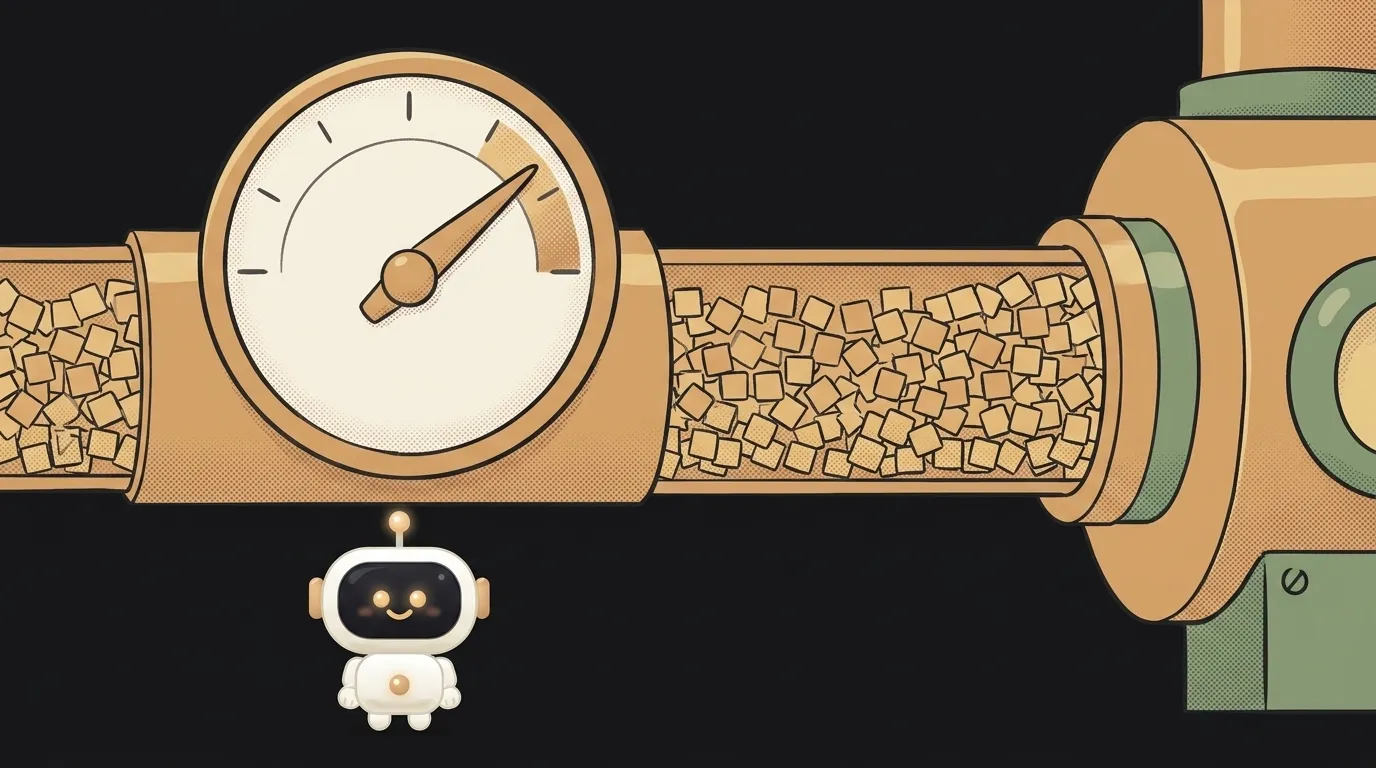
How to count tokens before sending a request — 3 ways and one trap
How to count tokens up front and stop being surprised by the bill: tiktoken for GPT, free count endpoints for Claude and Gemini — plus what beginners forget to count.
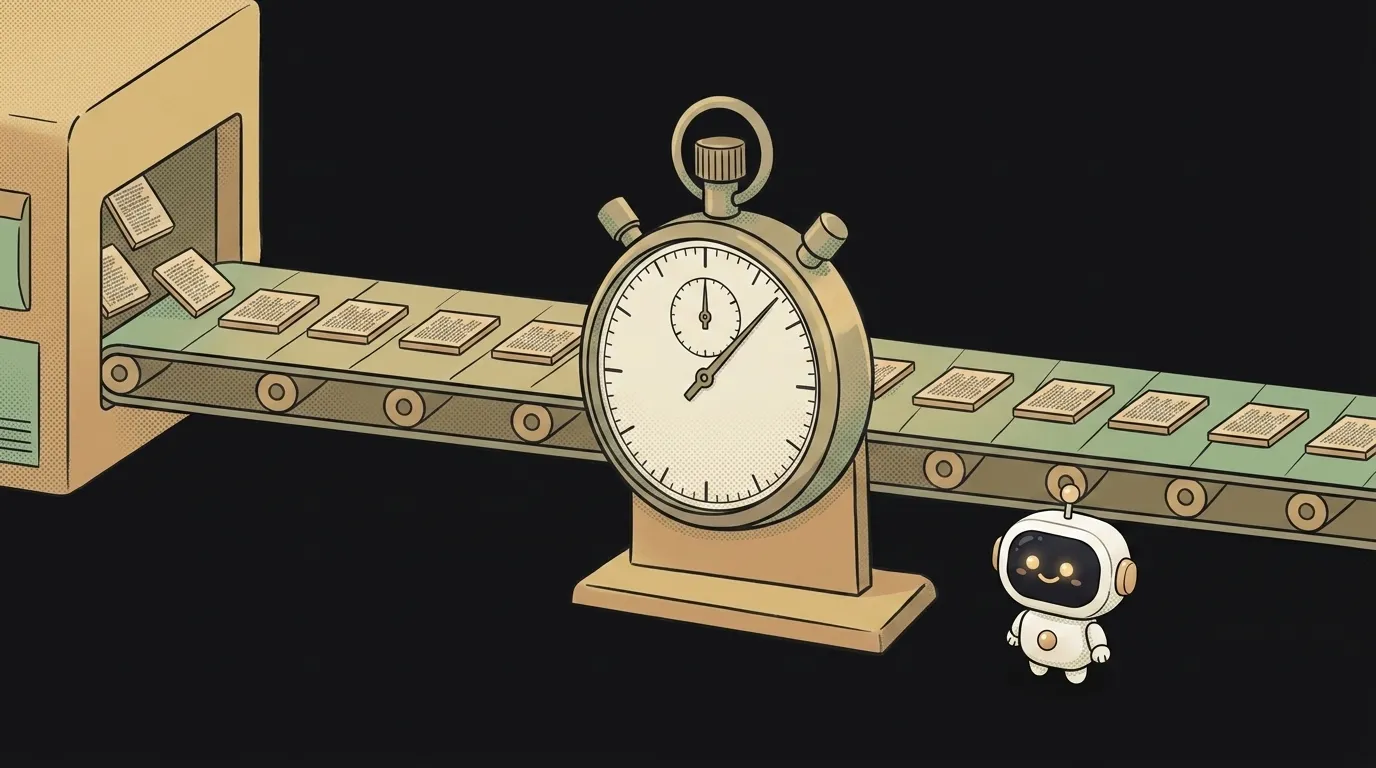
What are tokens per second — and why the same model feels slower in Russian
Tokens per second (t/s) is the headline number for AI speed. Here's what it measures, why one number lies, and how to measure your own model's speed.
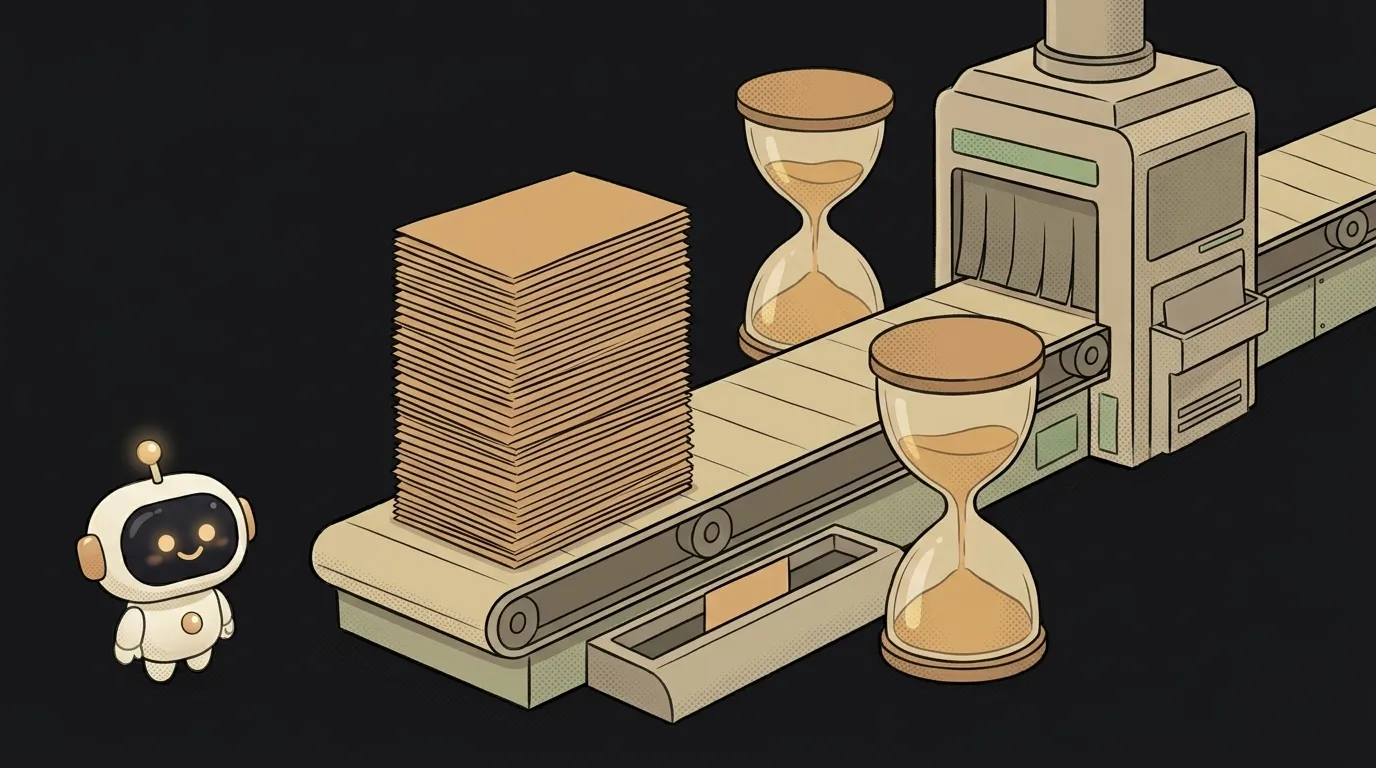
What is a Batch API — how to pay half price for the same tokens
A Batch API is a mode where the same requests to the same model cost half as much. The only price is waiting. What it is, and when to switch it on.

Why AI can't count the letters in a word — it can't see them
The model writes code and explains physics, then fails a question for a six-year-old. Three real causes, and three fixes that take a second each.
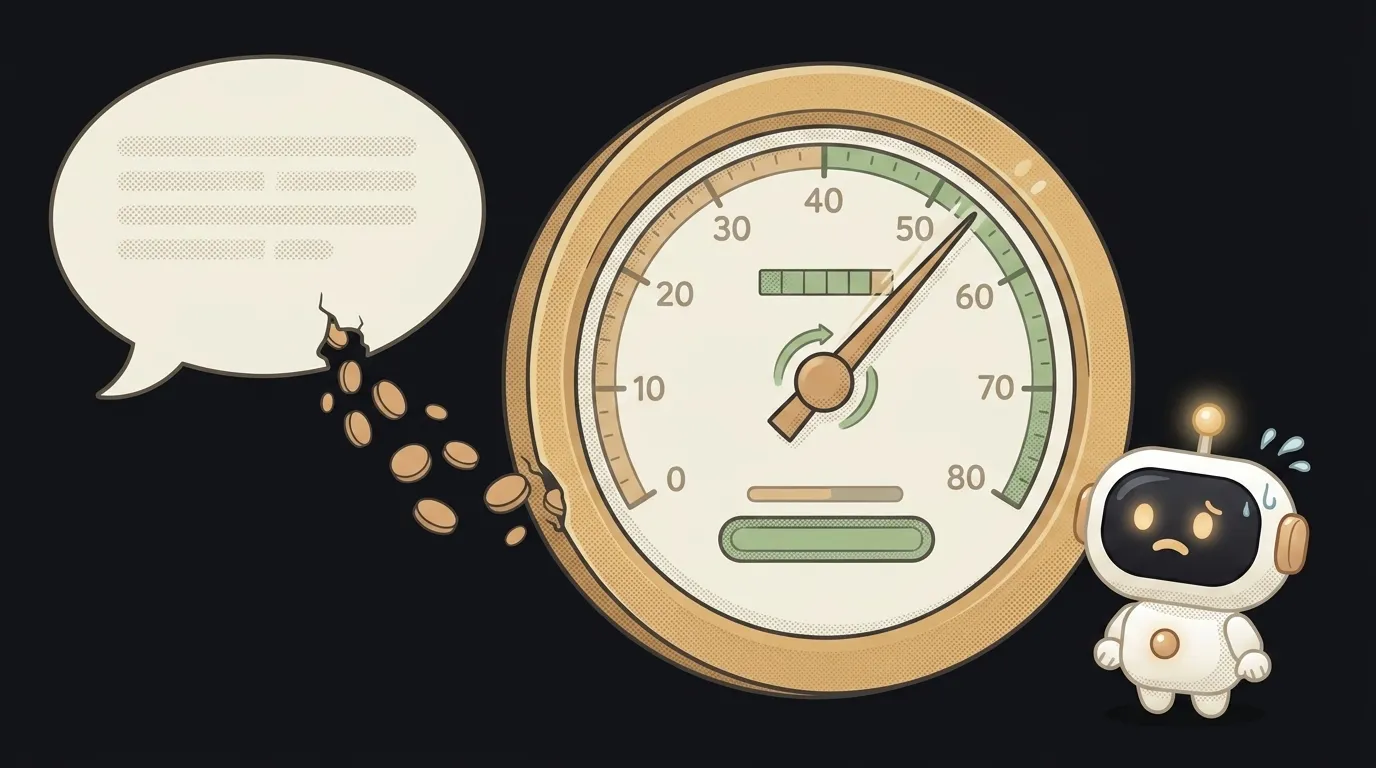
Why is my AI bill so high — where your tokens actually leak
Your API bill jumped even though requests look the same. Here are the 3 main causes of a high AI bill — long context, an expensive model, loops — and how to fix each.
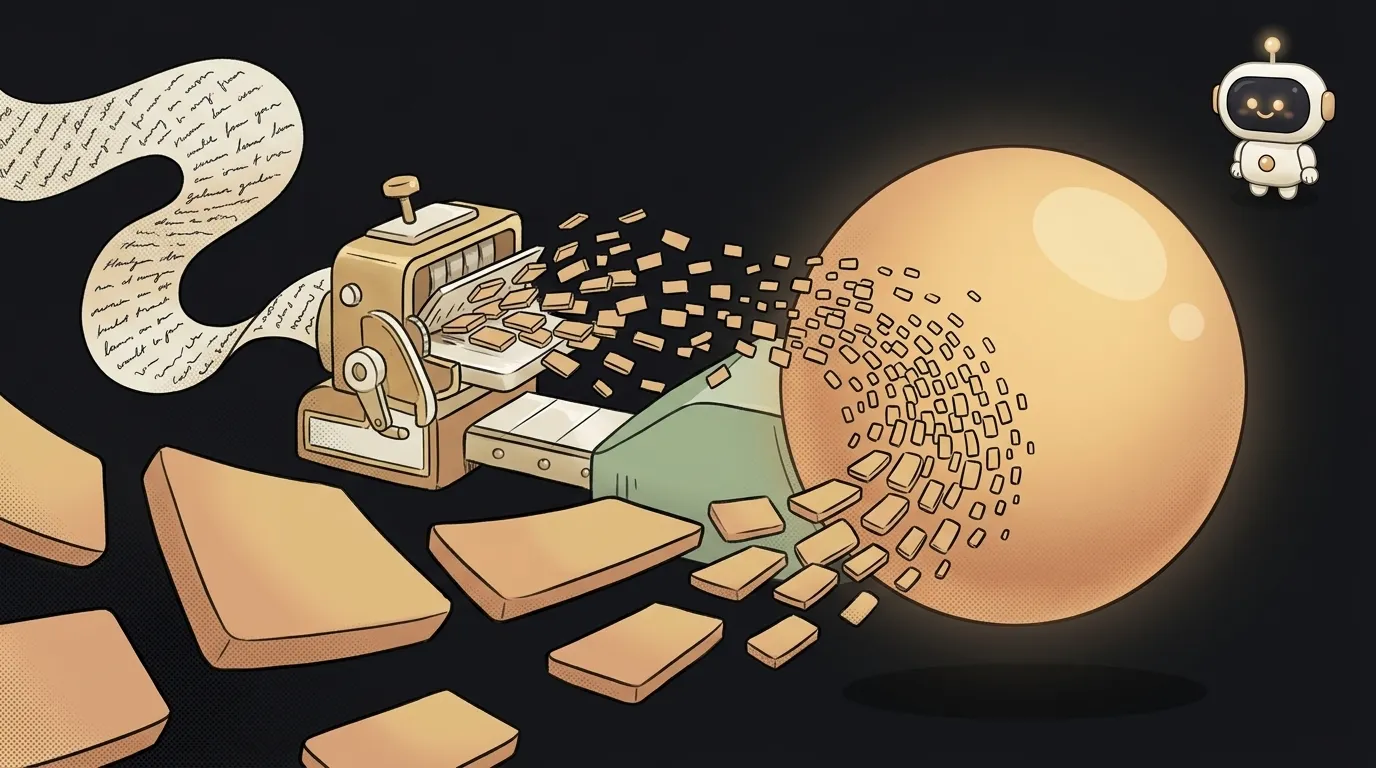
What is a tokenizer — why the model never sees letters, and Russian costs more
A tokenizer slices your text into chunks before the model ever sees it — and non-English text makes more chunks. What a tokenizer is, and why it drives cost.

Why AI cuts off its answer mid-sentence — 3 causes and the fix
AI stops mid-sentence? It's almost never a bug — it's a limit. Here are the 3 real causes of a cut-off, from max_tokens to a full context window, each with its fix.

How to cut your AI costs — 6 steps without losing quality
The same result can cost 10x less. You pay for tokens, not requests — and most beginners burn them for nothing. Here's how to stop.
What is a token — and why Russian costs more than English
The same sentence costs a model more in Russian than in English. Tokens are why — let's see what they are and how to pay less.