What is fine-tuning — and why it barely teaches a model new facts
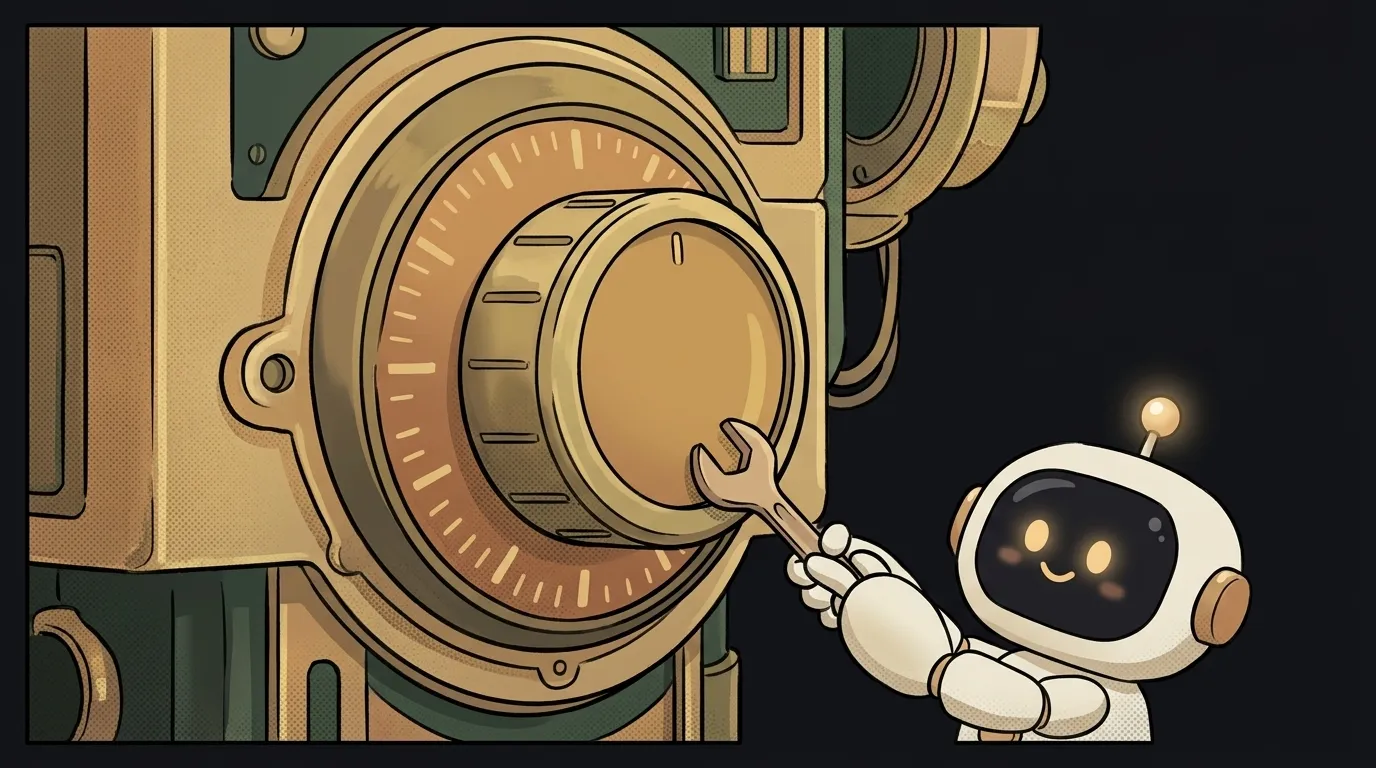
Look, almost everyone trips on the same thing. "I'll fine-tune a model on my documents, and it'll remember them." Sounds logical. But fine-tuning barely works as memory for facts. It teaches a model not what to say, but how — the tone, the format, the manner. And if you need it to know your data, there's a simpler, cheaper way. Let me lay it out so you don't burn weeks for nothing.
What fine-tuning is — in one line
Fine-tuning is when you take an already-trained language model and lightly re-teach it on your own examples so it answers in the style you want. The model already knows how to talk and reason — you're not training it from scratch, you're tuning its behavior to fit you.
An analogy: you hired an experienced editor. They already know how to write. Fine-tuning isn't "send them to college" — it's "show them a hundred of our old texts so they pick up our tone."
What it actually teaches — behavior, not facts
Here's the big surprise. Fine-tuning is great at passing on form:
- always answering in one format (strict JSON, say);
- holding a certain tone — dry and legal, or warm and friendly;
- doing one narrow task: sorting emails into folders, tagging reviews.
But facts it remembers poorly and unreliably. Feed it your knowledge base through fine-tuning and it'll "smear" that base across its weights, start mixing up details, and confidently make up things that never existed. Knowledge is not fine-tuning's strength.
Need facts? You need RAG, not fine-tuning
When the task sounds like "the model should answer from our docs, prices, instructions" — that's a job for RAG, not fine-tuning. RAG doesn't change the model: at question time it finds the relevant chunk of your data and slips it right into the prompt. The facts stay in your database, you edit them whenever — the model just reads the fresh chunk.
The difference, plainly:
- Fine-tuning changes how the model talks. The facts inside are frozen, like in a textbook.
- RAG changes what the model sees right now. The facts are live, updated with no retraining.
So the right order is almost always: first squeeze everything out of a good prompt and a system prompt, then add RAG for knowledge — and only if you hit a style or format you can't get with prompting, start thinking about fine-tuning.
When a beginner actually needs fine-tuning
Honest answer: almost never at the start. Modern models are so responsive to the prompt that 9 of 10 tasks close with no fine-tuning at all. It pays off when:
- you run the same narrow task a million times, and every extra chunk of prompt costs money;
- you need a rock-stable format that prompting still breaks now and then;
- you have hundreds-to-thousands of good "input → correct output" examples.
Without that, fine-tuning is more hassle than help. The good news: technically it got cheaper. Tricks like LoRA fine-tune not the whole model but a small "add-on" on top — faster and cheaper, especially if you have an open model with downloadable weights. But "cheaper" doesn't equal "needed": first check whether a prompt solves it.
Q: Is fine-tuning the same as training from scratch?
No. Training from scratch is months and millions of dollars — that's what big labs do. Fine-tuning starts from an already-trained model and only nudges it on your examples. Incomparably cheaper, and within reach of a regular developer.
Q: Can I fine-tune a model on my PDFs so it "knows" them?
You can, but for facts it's a bad idea. The model remembers them blurrily and starts mixing them up. For "answer from my PDFs," use RAG: the documents live in a database, the model pulls the right chunk at question time and answers from it. More accurate, cheaper, and editable anytime.
Q: Is a fine-tuned model smarter than a regular one?
Not smarter — narrower. It does the exact task it was tuned for better, and often everything else worse. Fine-tuning doesn't add general intelligence, it specializes. It's a tool for one specific job, not a brain upgrade.
Short story-lessons, an agent simulator and daily practice — in our mobile app. Free.
Read next

What is SSH — how to log into someone else's computer without a password in the open

What is hashing — why a website doesn't know your password
What is a race condition — the bug that shows up only sometimes

Docker or a virtual machine — the difference, and what a beginner should pick
What is WebSocket — and why a chat updates itself without a page reload