What is structured output — how to make an AI return JSON
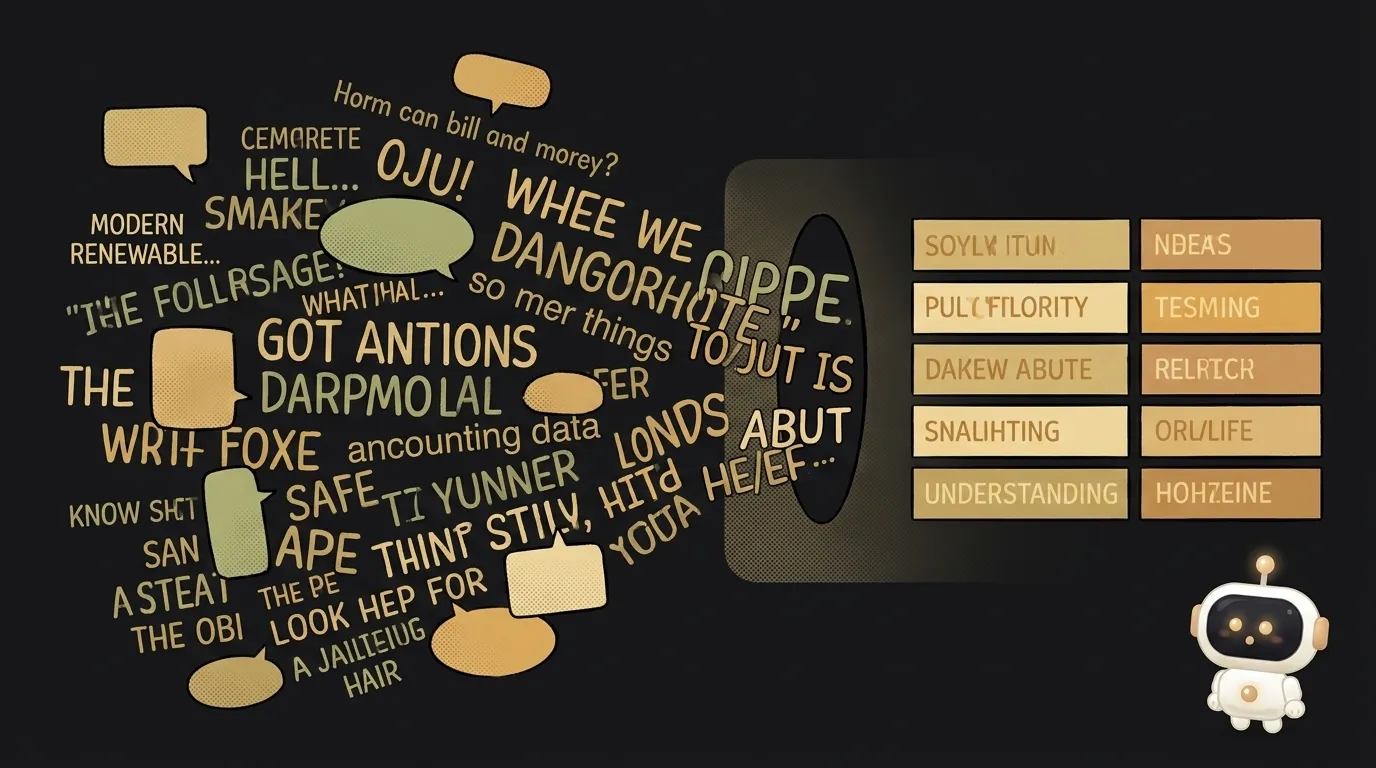
Here's the pain. You ask the model: "return the name and age." And it replies: "Sure! The name is Anya, she's 27 😊." A human likes that. Your code chokes on it — it expected data and got chit-chat.
Structured output fixes exactly this. It forces the model to hand back strict JSON that your program reads without drama. Let's see how it turns a chatty AI into a reliable part of an app.
Structured output in one sentence
Structured output is when the model must answer in a fixed format, usually JSON matching your schema.
Not "however it comes out," but strict: here are the fields, here are their types. {"name": "Anya", "age": 27} — and not a word extra.
Code reads an answer like that directly. No more "cut the name out of a sentence with a regex and pray."
Why "return JSON" in the prompt is unreliable
The most common beginner move: write "answer in JSON format" in the prompt. Sometimes it works. Sometimes it doesn't.
The model might add "Here's your JSON:" before the brace. Or wrap the answer in ```. Or drop a comma in the wrong place. On the hundredth request one breaks — and your app falls over.
The trouble is that a polite request in the prompt is a hope, not a guarantee. The model tries, but sometimes forgets. An app needs it to work always, not "usually."
How to make the model hold the format
This is where the APIs themselves help. You don't ask — you set the rules, and the model can't step outside them.
- JSON mode / structured outputs. Leading providers (OpenAI, Google, Anthropic) have a mode where you attach a schema — a list of fields and their types. The model is technically required to answer strictly by it. Not free text, but valid JSON.
- Via tool use. A close mechanism: you describe a "tool" with the arguments you need, and the model fills them in — and those arguments are your structure.
What to look for in the docs: "structured outputs," "JSON mode," "response schema," or "function calling." The names differ, the idea is one — you set the format, you don't hope the model gets it.
Why you'll want it (real features)
Structured output is the bridge from "chat with an AI" to "embed AI in an app." Here's what gets built on it:
- Pull a date, amount, and sender name out of an email — straight into fields.
- Break a review into a rating, topic, and sentiment.
- Turn "meeting with Anya Friday at 3pm" into a ready calendar event.
- Sort a pile of notes into categories.
In every case the model's answer goes straight to code or a database. No need to bolt on a fragile parser and patch it on every malformed reply.
Is this the same as function calling or tool use?
Very close. Both tool use and structured output are about one thing: the model hands back data in a strict shape, not free text. Structured output is often implemented "under the hood" through the tools mechanism. The difference is mostly what a given provider called it.
If the format is strict, can the model still get the data wrong?
Careful: format and truth are different things. Structured output guarantees the JSON will be valid and have the right fields. But what's inside — the model can still make up. The age field will definitely be a number, but the number can be wrong. Format, yes — facts, check yourself.
Short story-lessons, an agent simulator and daily practice — in our mobile app. Free.
Read next

What is prompt chaining — why a chain of simple prompts beats one giant one

What is an AI jailbreak — and how it differs from prompt injection

What is chain of thought — why 'think step by step' makes AI smarter

Why AI gives different answers to the same question — 3 causes and how to tame it