#linux
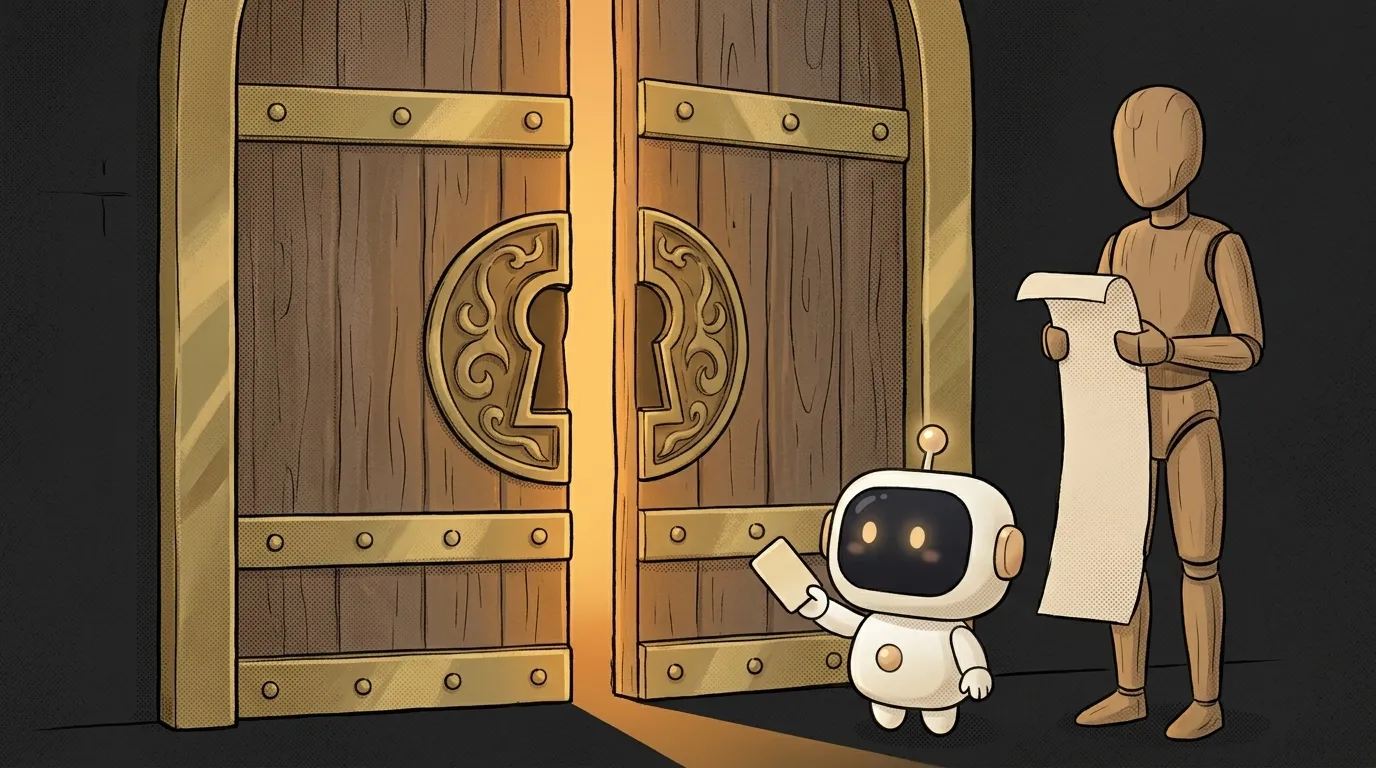
What is sudo — and why it asks for your password, not the admin's
What is sudo, in plain words: how it works, whose password it asks for, why sudo npm and sudo pip break your project, and when you really need it.

What is a shebang — and why a script from Windows fails with python3\r
What a shebang (#!) at the top of a script is, in plain words: who reads that line, why /usr/bin/env exists, and where the mysterious python3\r comes from.

What is a process PID — and why kill on an old number can kill someone else's program
What a PID (process ID) is, in plain words: how to find it, what kill does with it, why PID 1 is special, and why a number saved to a file is risky.
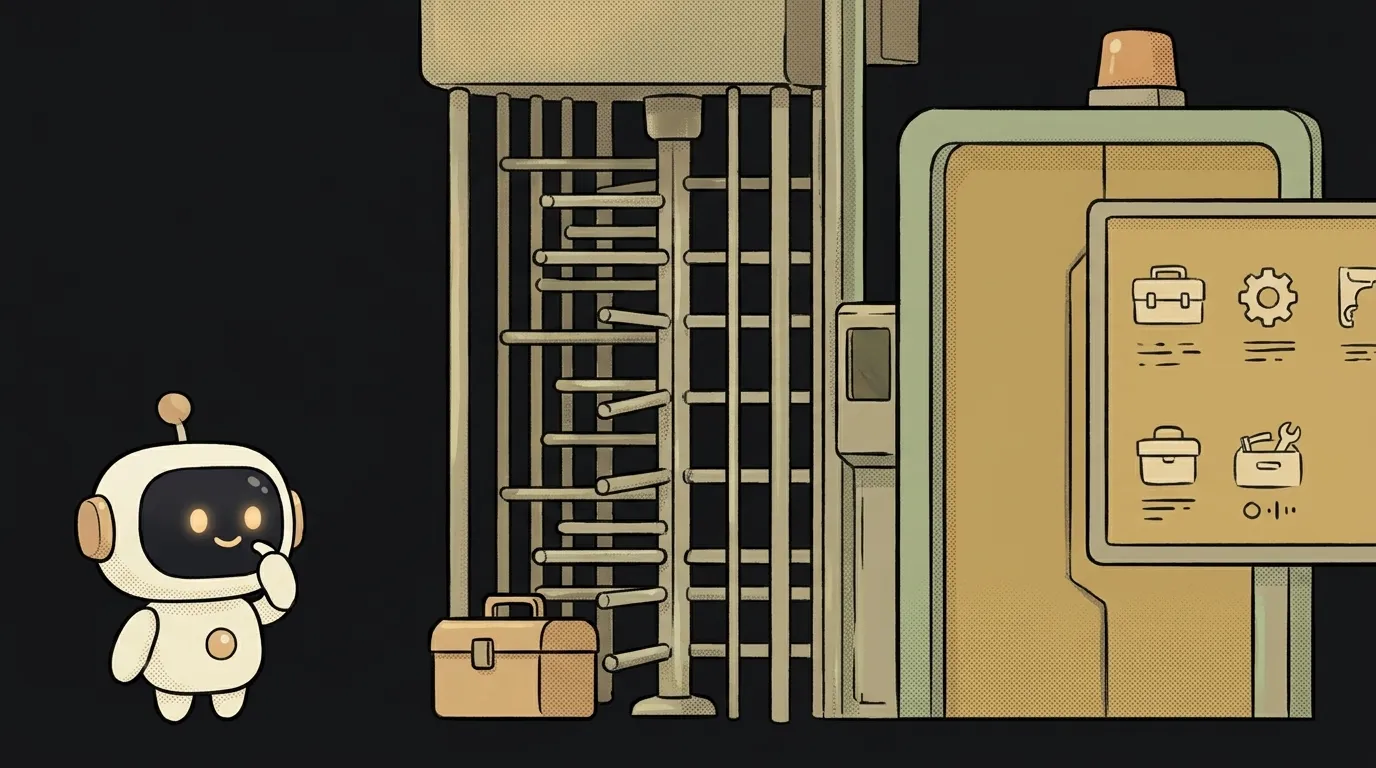
Why sudo says command not found — even though the command works without sudo
Why sudo says command not found when it works without sudo: 5 causes from secure_path to sudo cd — how to check and fix each one in a minute.
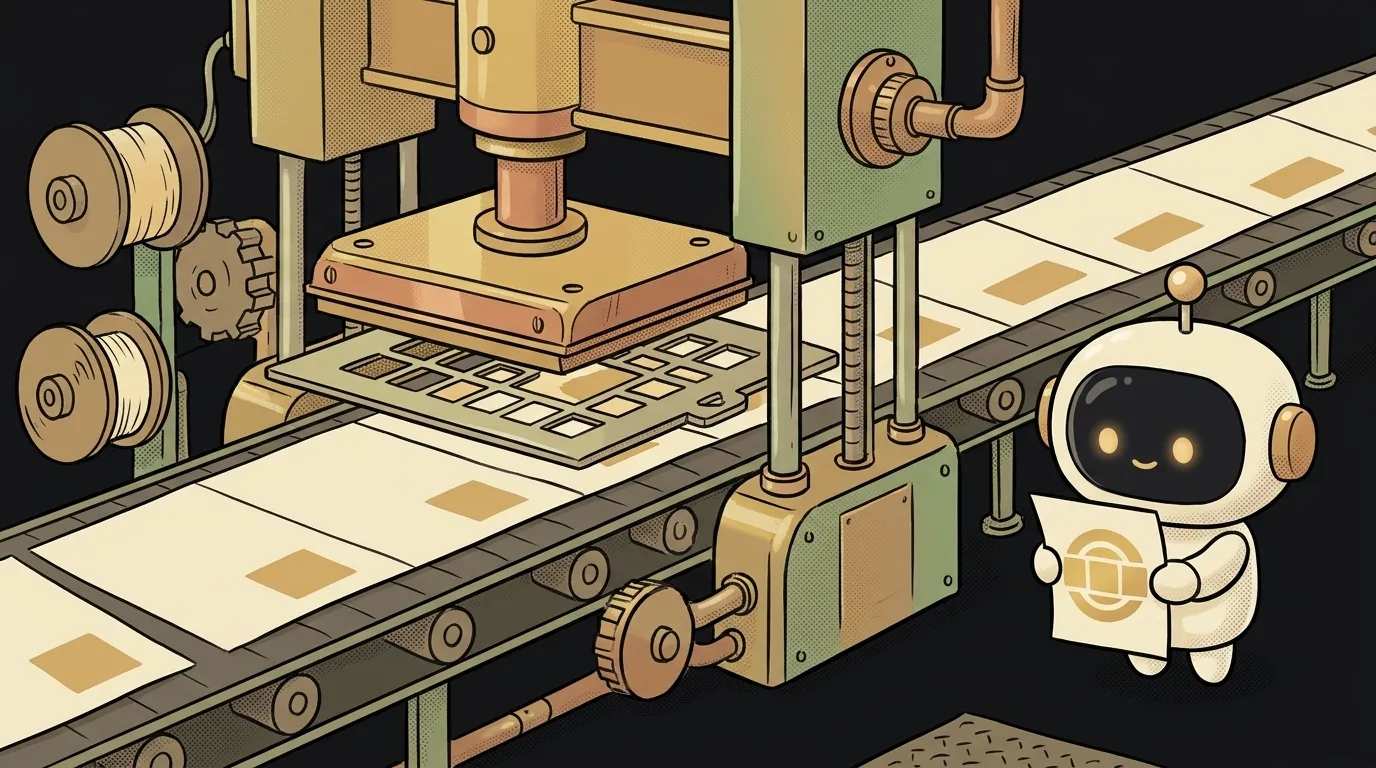
What is umask — and why 666 minus 033 isn't 633
What umask is in Linux, in plain words: why a new file gets 644 instead of 666, why a script is born unable to run, and how to lock down secrets from the start.

What is a mount point — and where files go when nobody deleted them
What a mount point is in Linux, in plain words: why there's no D: drive, where files in a folder disappear to, and why Docker loses your node_modules.
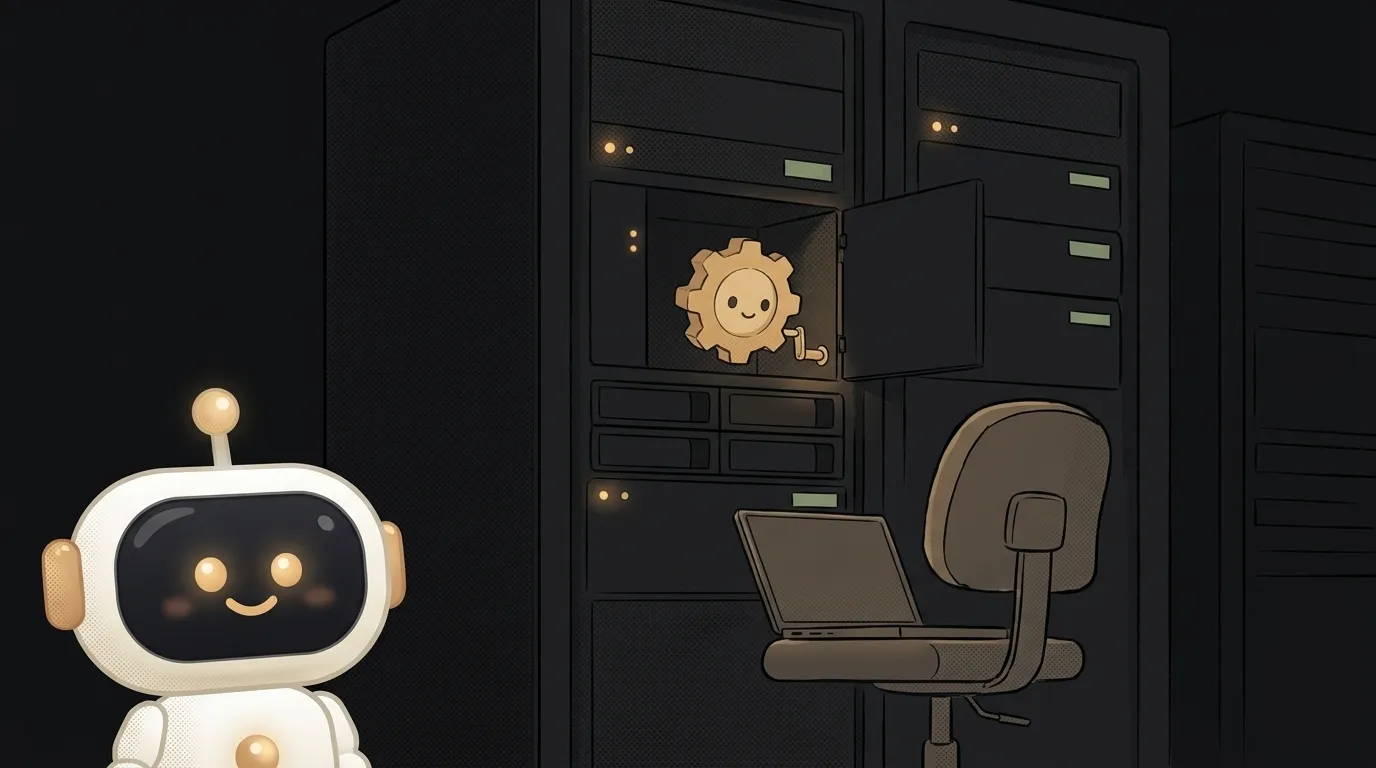
What is a daemon in Linux — and why your bot dies when you close your laptop
What a daemon is in Linux, in plain words: why a program dies along with SSH, where the d in sshd comes from, and how to turn a bot into a systemd service.
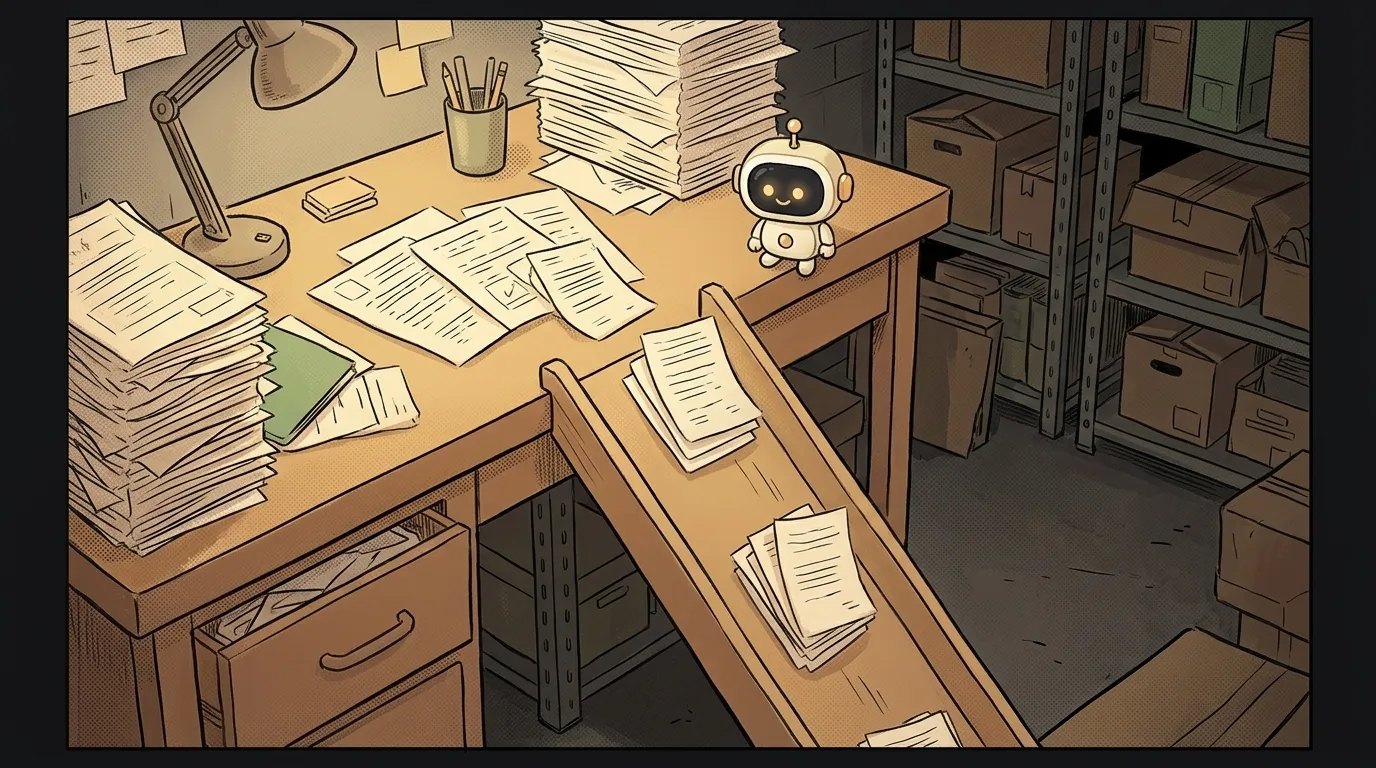
What is swap memory — and why your build dies with the word Killed
What is swap memory in plain words: where memory goes, why a build on a cheap server fails with Killed, and how to add swap in five commands.
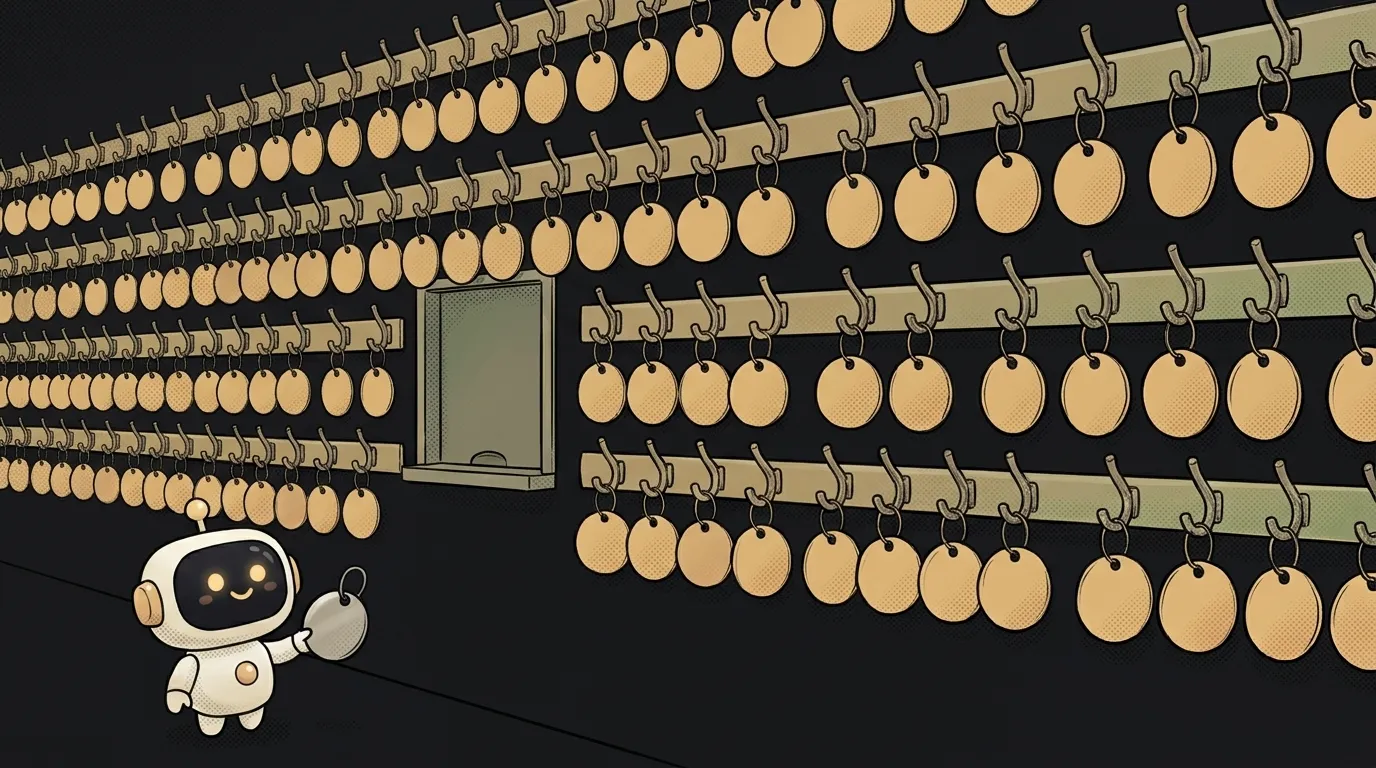
What is a zombie process — and why kill -9 can't touch it
What a zombie process is, in plain words: where defunct in ps comes from, why kill -9 is powerless, and how zombies pile up in Docker with headless Chrome.