#api

curl vs wget — the difference, and why curl saved an empty file
curl vs wget, which to pick: the difference in plain words. Why curl prints a file to the terminal, gets lost on redirects, and when wget is easier.

What is exponential backoff — and why it fails without randomness
Exponential backoff doubles the wait before each retry. Here's why doubling alone still takes a service down, and what a bit of randomness fixes.

How to retry failed requests — 6 steps that won't double-charge anyone
How to retry failed API requests properly: which errors to retry, how to compute the pause, and how to stop a retry from taking the payment twice.

MCP vs API — what's the difference and which to pick
MCP vs API: how a protocol built for models differs from plain REST, across five criteria. And why MCP doesn't replace your API — it sits on top of it.

What is a payload — and why the bug is usually somewhere else
A payload is the useful data inside a request. Here's what a payload is, how it differs from headers, and where an API request actually breaks.

How to count tokens before sending a request — 3 ways and one trap
How to count tokens up front and stop being surprised by the bill: tiktoken for GPT, free count endpoints for Claude and Gemini — plus what beginners forget to count.

What is a stop sequence — and how to tell a complete answer from a truncated one
A stop sequence cuts generation off at the right spot. What it is, why the string itself never shows up in the answer, and how to spot a truncated reply.

How to test an API with curl — 6 commands to find out whose bug it is
How to test an API with curl: six commands that tell you in half a minute whether your code or the server is at fault. Plus the browser's Copy as cURL trick.
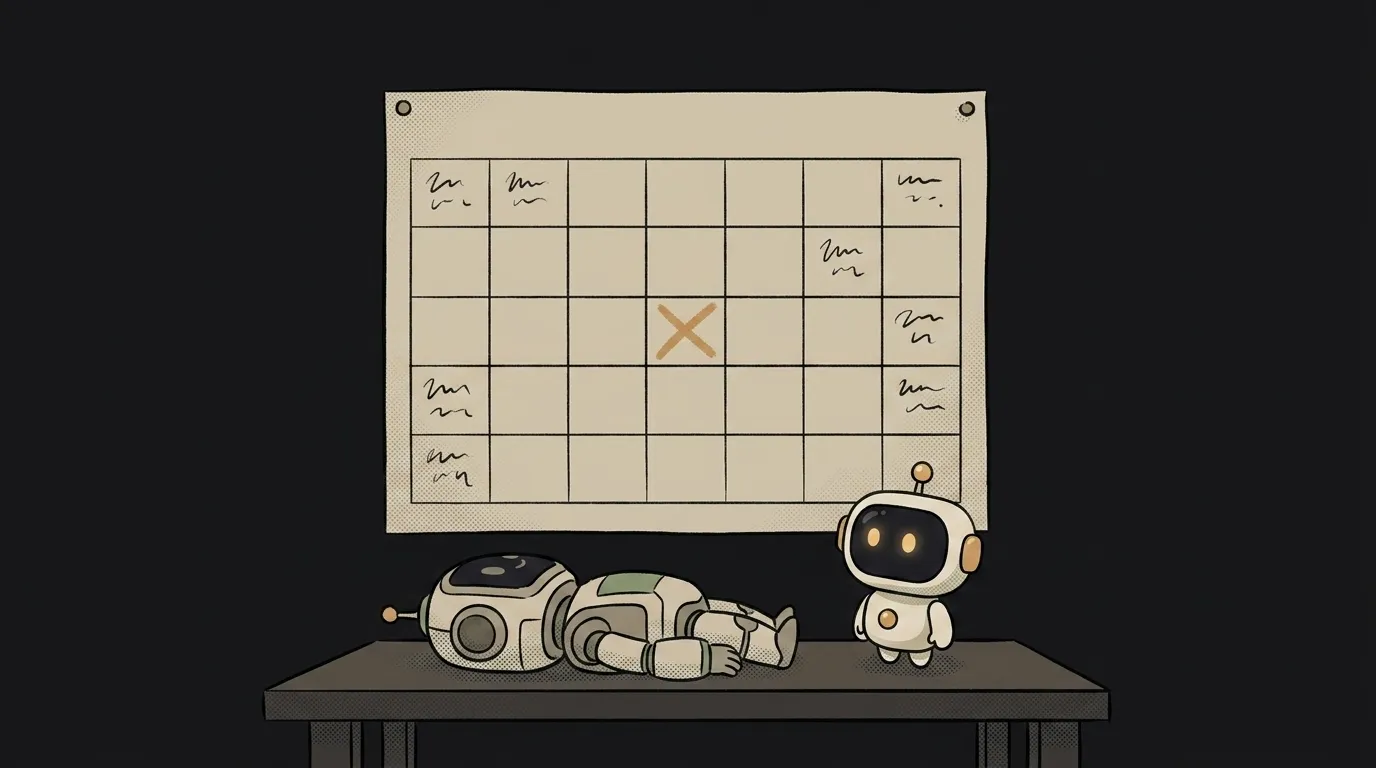
What is model deprecation — and why your AI app breaks on a calendar date
Model deprecation is a shutdown announced in advance. Here's the model lifecycle, the notice periods, and why a silent version swap hurts more than an error.

What are HTTP headers — and why your key rides there, not in the URL
HTTP headers are the note taped to your request. Here's what goes in them, why API keys travel as a header instead of in the URL, and the four you'll meet first.

How to handle API errors — retries, backoff, and when retrying makes it worse
Retrying is the most common fix and the most common way to take a service down. Step by step: what to retry, how long to wait, when not to.

How to generate images with an API — 5 steps and the base64 trap
Step by step: where to get a key, how to send your first request, and why the response holds base64 instead of an image URL. Plus what it really costs.

How to read API documentation — the five places all the answers live
How to read API docs as a beginner: not top to bottom, but by five anchor points. It's also the only way to catch an AI inventing an endpoint.

How to transcribe audio with AI — step by step
Turning a recording into text takes one API call. Step by step: how to fit the 25 MB limit, get timestamps, and not overpay for an hour of audio.

What are HTTP methods — and why a Delete button must never be a link
GET and POST aren't a formality — they're a promise. Here's the difference, and how mixing them up made real people's data disappear.

What is idempotency — and why the card got charged twice
The user tapped Pay once and got billed twice. What idempotency is, where the retries nobody made come from, and how to disarm them in your own app.

Why an API returns 401 — and how it differs from 403: 3 causes
A 401 error means 'I don't know who you are,' not 'you're not allowed.' Here's why an API returns 401, where to find the cause, and how to fix the 3 most common.

ChatGPT subscription or the API — two different products, and here's which one you need
A ChatGPT subscription and the API are different things: a flat fee for chat vs paying per token. We compare price, limits and access — and pick for you.

How to add rate limiting — a fuse against a 10,000-request bill
One buggy loop in AI-written code and an API gets hammered a thousand times a minute. Step by step: how to add rate limiting, from an in-memory counter to a ready library.

How to connect a frontend to a backend — step by step, with plain fetch
The frontend draws, the backend serves data, and a fetch request links them. Step by step: connect a frontend to a backend, show the data, and dodge the CORS error.
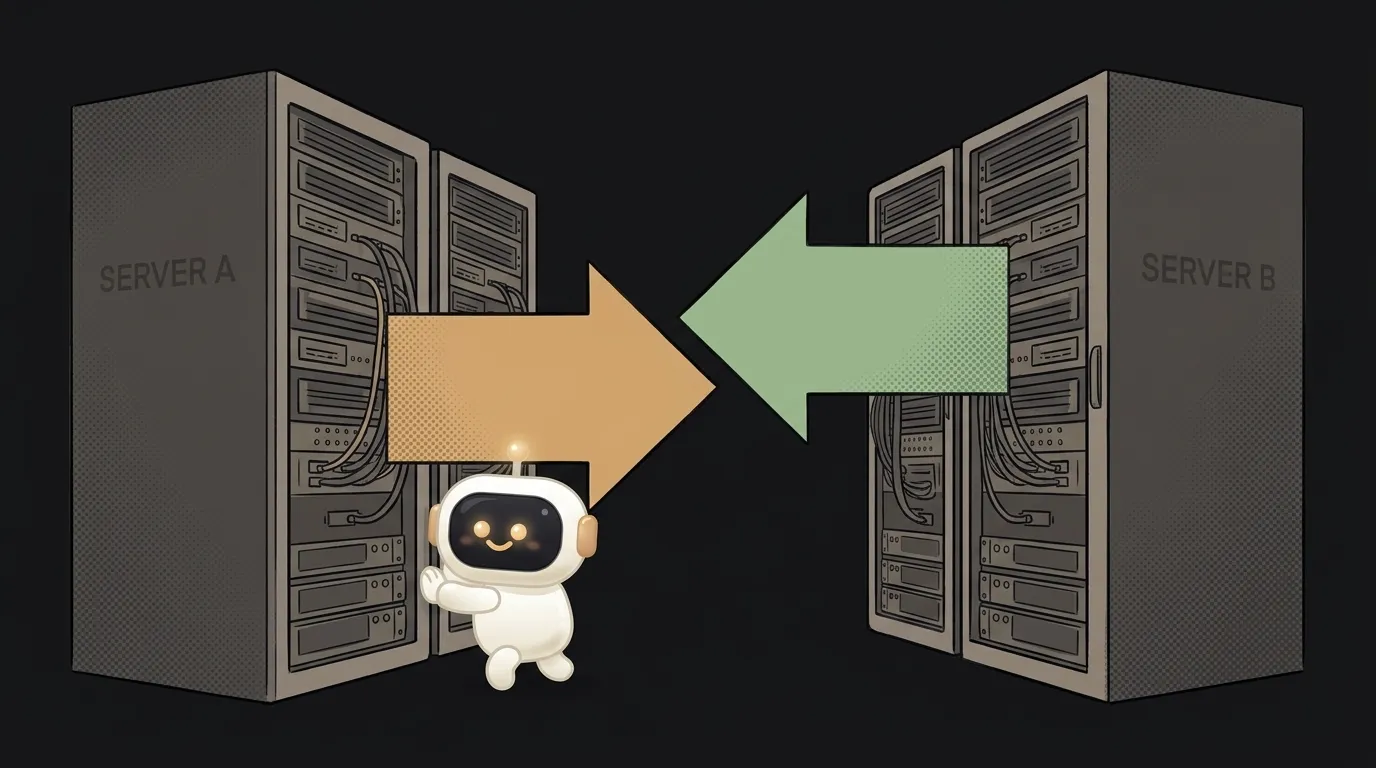
API or webhook — what's the difference and when to use which
Both let two programs talk, but the direction is opposite. The difference between an API and a webhook, and when to pick each one.

API vs SDK — the difference and which to pick as a beginner
API and SDK aren't two options — they're a staircase and an elevator. An SDK wraps the same API. Here's the difference in a table and a straight verdict.

How to send email from your app — step by step, without your own mail server
How to send email from your app: verification codes, receipts, password resets. Step by step through a ready service — no self-hosted SMTP, no evening of pain.

REST or GraphQL — which to pick as a beginner, and why
REST or GraphQL — the real difference and what to use for a first project. We compare on what matters: learning curve, request count, flexibility — and call it straight.

What is an SDK — and how it differs from an API in plain words
An SDK is a ready-made toolkit for a service: a code library plus tools. Here's what an SDK is, how it differs from an API, and why you'd want one.

What is a rate limit — why an API answers 429 and asks you to wait
A rate limit caps how often you can call an API. Here's why a service answers 429, why it isn't a bug in your code, and how to live with it.
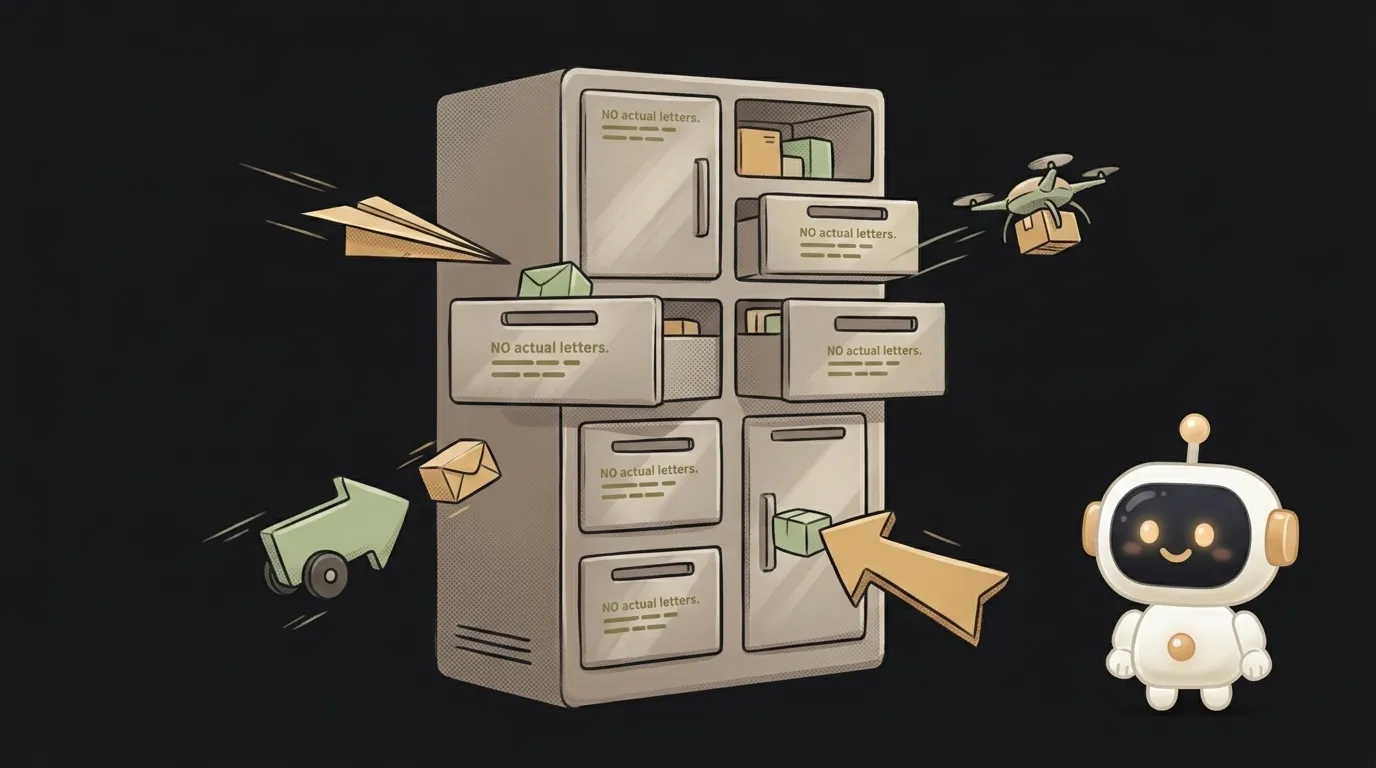
What is a REST API — and why the server forgets you every time
A REST API isn't a technology — it's a set of good manners for programs talking over the internet. In plain words: four verbs, addresses, and why the server never remembers you.

What is an API — in plain words, and why you ping a hundred of them daily
An API is the window through which one program asks another to do something or hand over data. Explained simply, no jargon, with real examples.

How to connect an API to your project — 5 steps, and where it usually breaks
Connecting someone's API is 5 clear steps, not magic. Step by step: find the endpoint, get a key, make the request, parse the response, hide the key.

Free APIs for side projects — 7 that work with no credit card
A pick of free APIs for your first projects: weather, countries, fake data, AI. Many need no key at all — grab one and build something tonight.