#code
What is a sparse array — and why map won't fill Array(3)
What a sparse array is, in plain words: holes instead of elements. Why Array(3).map does nothing, and why the array's length lies to you.
What is a higher-order function — and why map(parseInt) breaks your numbers
A higher-order function, explained simply: a function that takes or returns another function. Why map(parseInt) gives NaN and how to read this kind of code.
What is a graph in programming — and why walking one can hang forever
What a graph is in programming, in plain words: points and the links between them. Where graphs hide in apps and maps, and why a graph walk can loop forever.
What are getters and setters — and why a field vanishes when you send it to the server
What a getter and a setter are, in plain words: a property that looks like a field but actually runs code. And why JSON.stringify quietly drops it.

What is a generic — and why any in AI-written code kills your autocomplete
What a generic is in TypeScript, in plain words: a function that remembers the type of what you gave it. Why it beats any, and where you've already seen one.

What is an enum — and why JavaScript doesn't have one and TypeScript is moving away from it
What an enum is, in plain words: a closed list of allowed values. The bug it catches, why JavaScript has no enum, and what to write instead of enum in TypeScript.
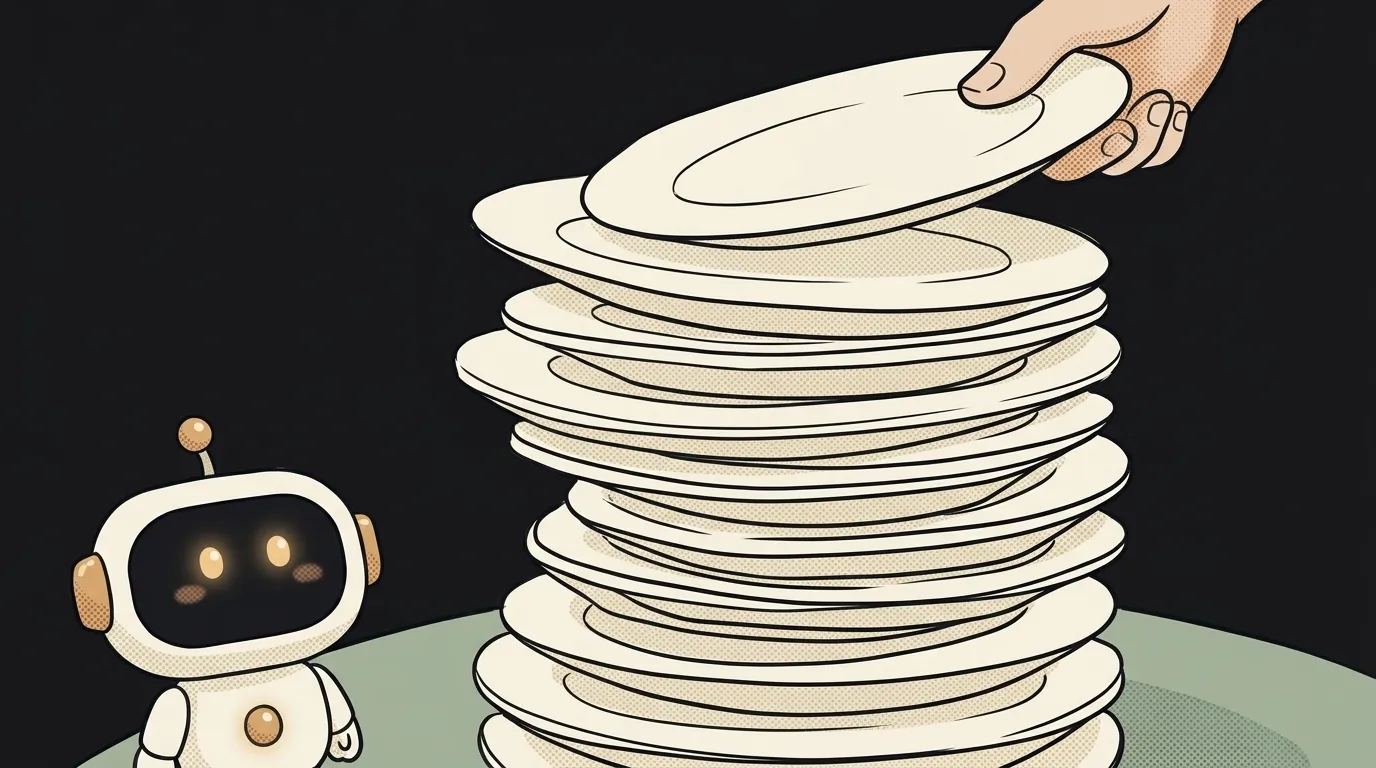
What is a stack in programming — and why Ctrl+Z works the way it does
What a stack is, in plain words: a pile where the last thing in is the first thing out. How Ctrl+Z, the Back button and the call stack in your code are built on it.

interface vs type in TypeScript — which to pick, and why two interfaces silently merge
interface vs type in TypeScript: what the difference is and which one a beginner should pick. A criteria breakdown, the official docs' rule of thumb, and the interface merging trap.

What is a data type — and why JavaScript thinks null is an object
What is a data type, in plain words: a label that tells a program how to read a value. The main types, how to check them, and where the bugs come from.
What is a code comment — and why AI writes them wrong
What is a comment in code, in plain words: a margin note the program skips. How to write one, why 'why' beats 'what', and how to steer AI with comments.

How to format code automatically — and why it matters when AI writes it
How to set up automatic code formatting with Prettier in 10 minutes: install, format on save, and a rule for your AI agent. Step by step.

What is an if statement in programming — and why branch order decides everything
What an if statement is, in plain words: a fork in the code, “if — else”. Why code checks branches top to bottom and how one wrong order breaks discounts.

What is a file path — and why it works on your computer but not on the server
What a file path is, in plain words: a file's address on disk. How an absolute path differs from a relative one, and what ./ and ../ mean in code.
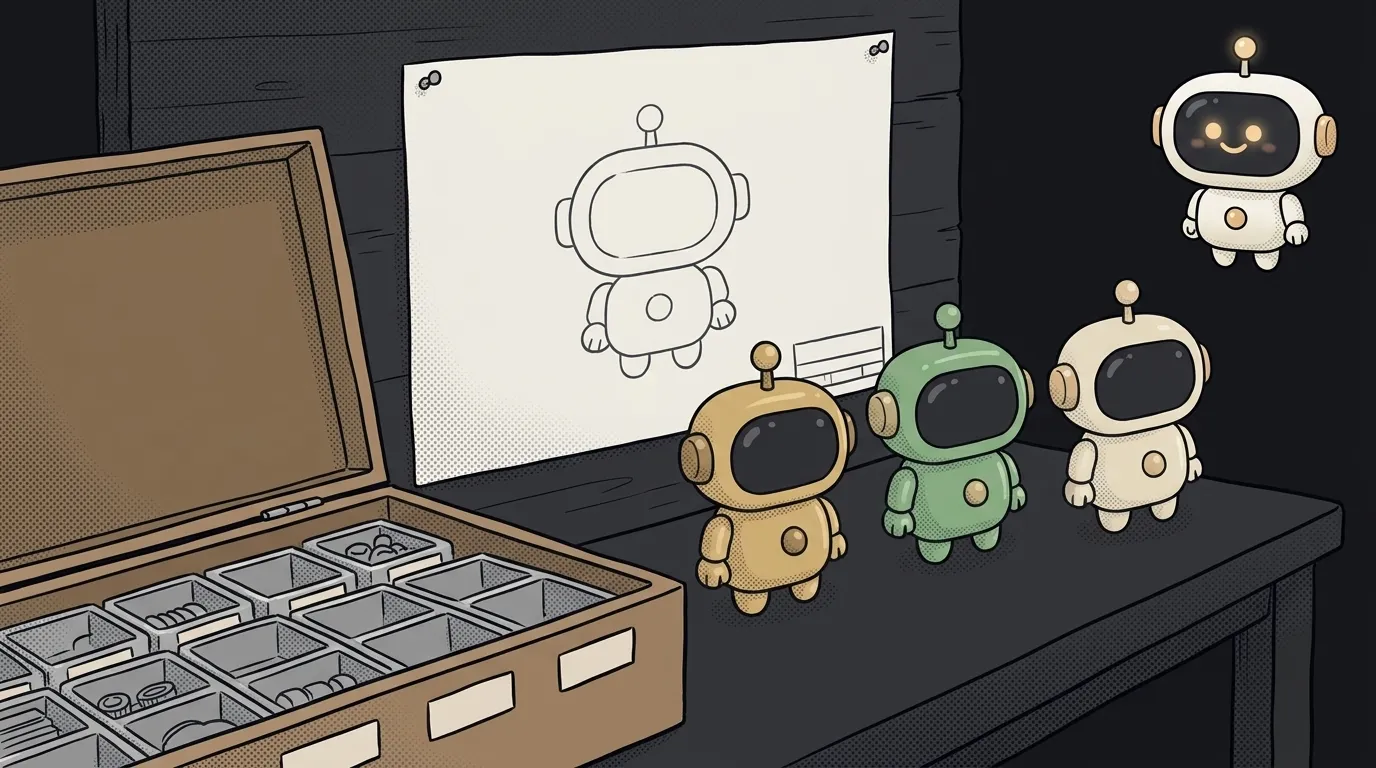
What is a class in programming — the blueprint code uses to stamp out objects
What a class is in programming, in plain words: a blueprint for objects. How a class differs from an object, what new does, and why AI writes classes.
Function vs method — what's the difference, and why it isn't about how they're written
Function vs method: the difference in plain words. Why Python uses len(x) and not x.len(), what this gives a method, and when to write each one.

What is a string in programming — and why "5" and 5 aren't the same
What a string is, in plain words: text in quotes. Why "2" + "2" gives "22", an emoji counts as two characters, and everything from a form arrives as a string.

What is scope in programming — and why a variable is "not defined" when it's right there
What scope is in programming, in plain words: where in code a variable exists and where it doesn't. Why is not defined happens and how to read curly braces.

What is null — and why its inventor called it a billion-dollar mistake
What null means in programming, in plain words: "deliberately empty." How null differs from undefined, where Cannot read properties of null comes from, and how to avoid it.
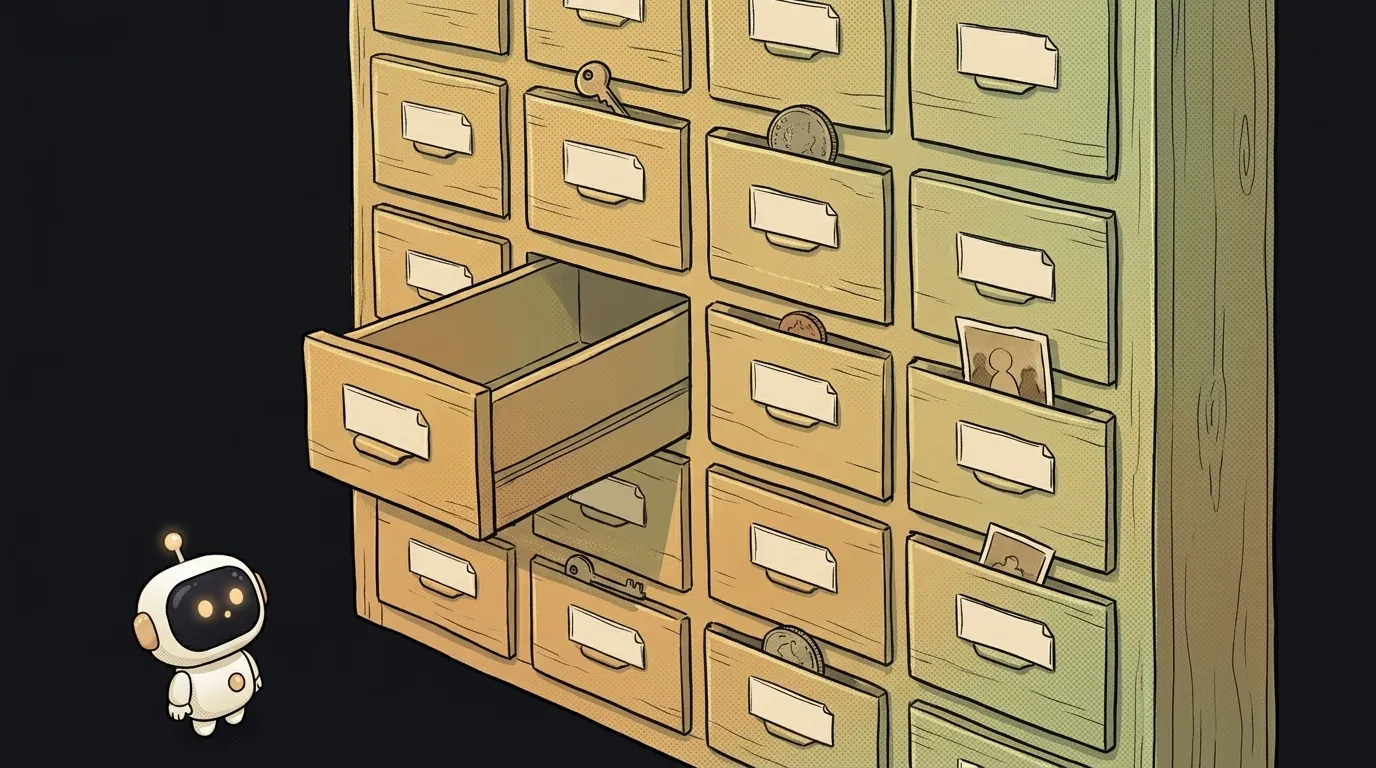
What is an object in programming — and why two identical objects aren't equal
What an object in programming is, in plain words: a card with labeled fields. How it works, where it shows up in AI-written code, and why {a:1} isn't {a:1}.

let vs const — which to use, and why AI writes const almost everywhere
let vs const in JavaScript: what the difference is and which to pick. A criteria breakdown, a one-second rule, and why const doesn't mean "can't change."
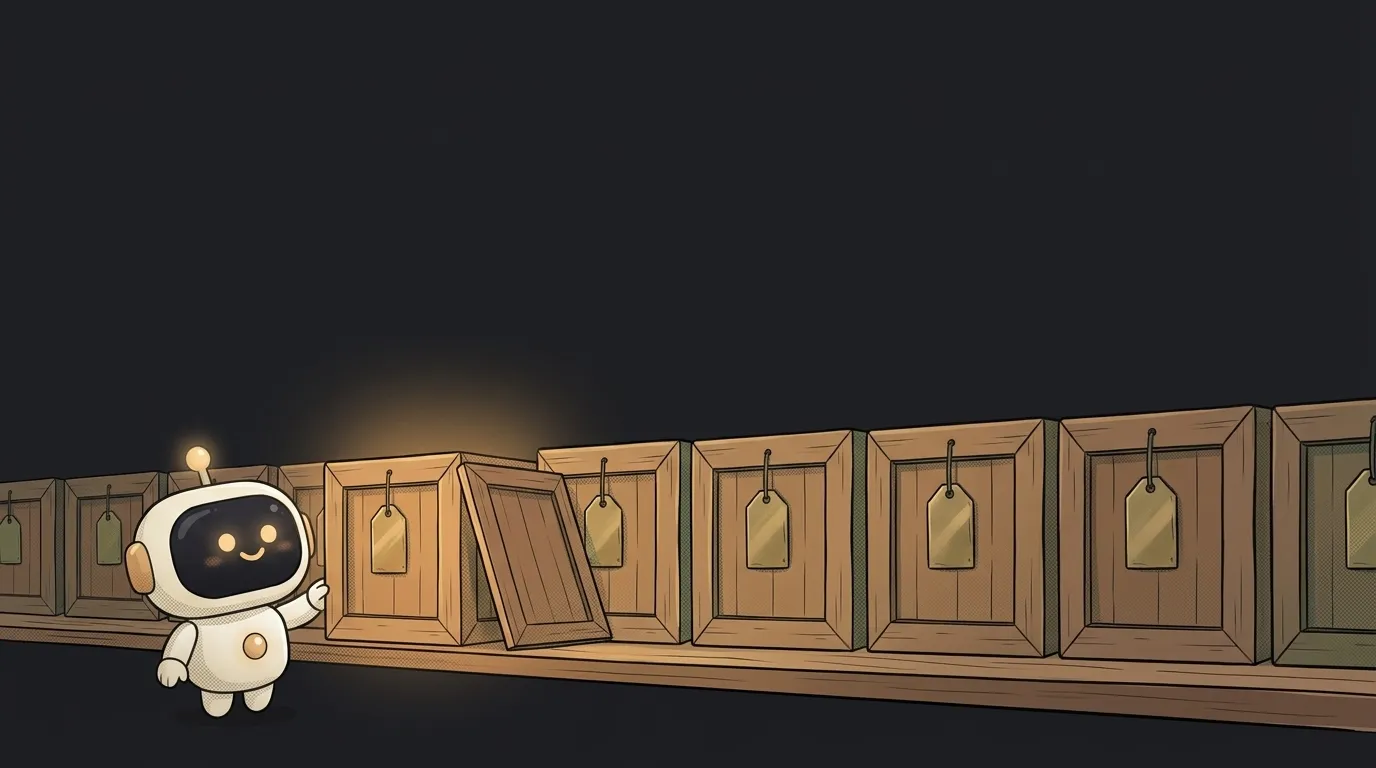
What is an array — and why it counts from zero
What is an array in plain words: a list that keeps its order. Why counting starts at zero, where the most common beginner bug comes from, and why an empty array matters.

What is a loop — and why it can run zero times
What is a loop in programming, in plain words: repeat one action for every item in a list. Why you almost never know the number of repeats in advance.

What is a callback — and why extra parentheses break your button
What is a callback in plain words: a function you hand over instead of calling. Why it works that way, where you've already written one, and which parentheses break everything.

What is a variable — and why a copy of a list changes together with the original
A variable isn't a box holding a value — it's a tag attached to one. That's the bug every beginner hits: you edit the copy of a list and break the original.
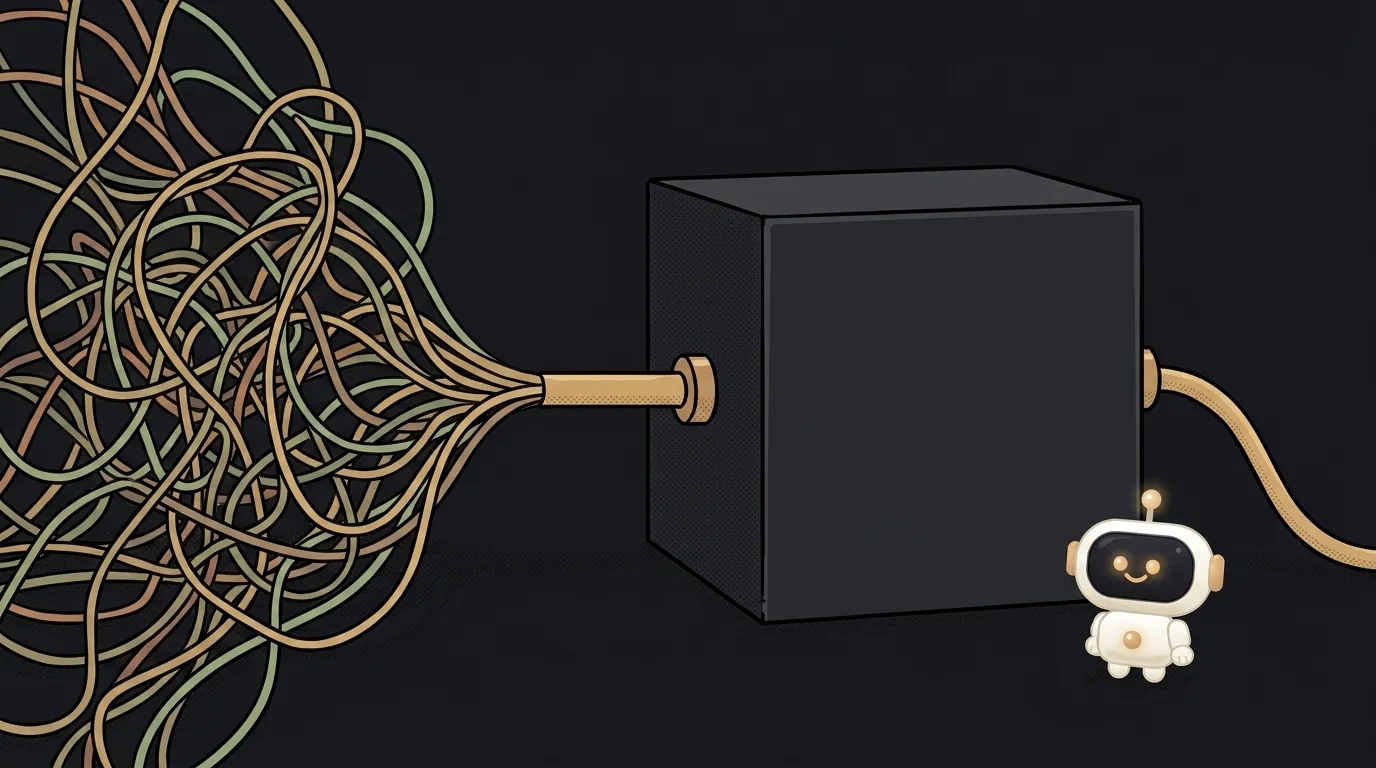
What is a function in programming — and why AI breaks code without them
A function isn't a way to save lines. Here's what a function is in plain words, how it's built, and why it decides whether AI can fix your code or wreck it.

What is recursion — a function that calls itself (and where its floor is)
Recursion is a function calling itself. What recursion is in plain words, why the base case is mandatory, and where that stack overflow error comes from.

Red flags in AI-generated code — 7 things to check before you ship
AI code breaks where things are boring, not where they're hard. Seven places worth a look before your users find them for you.

What is refactoring — why change code that already works
What is refactoring in plain words: editing code so that nothing changes on the outside. Why touch working code at all, and how to ask AI to do it safely.
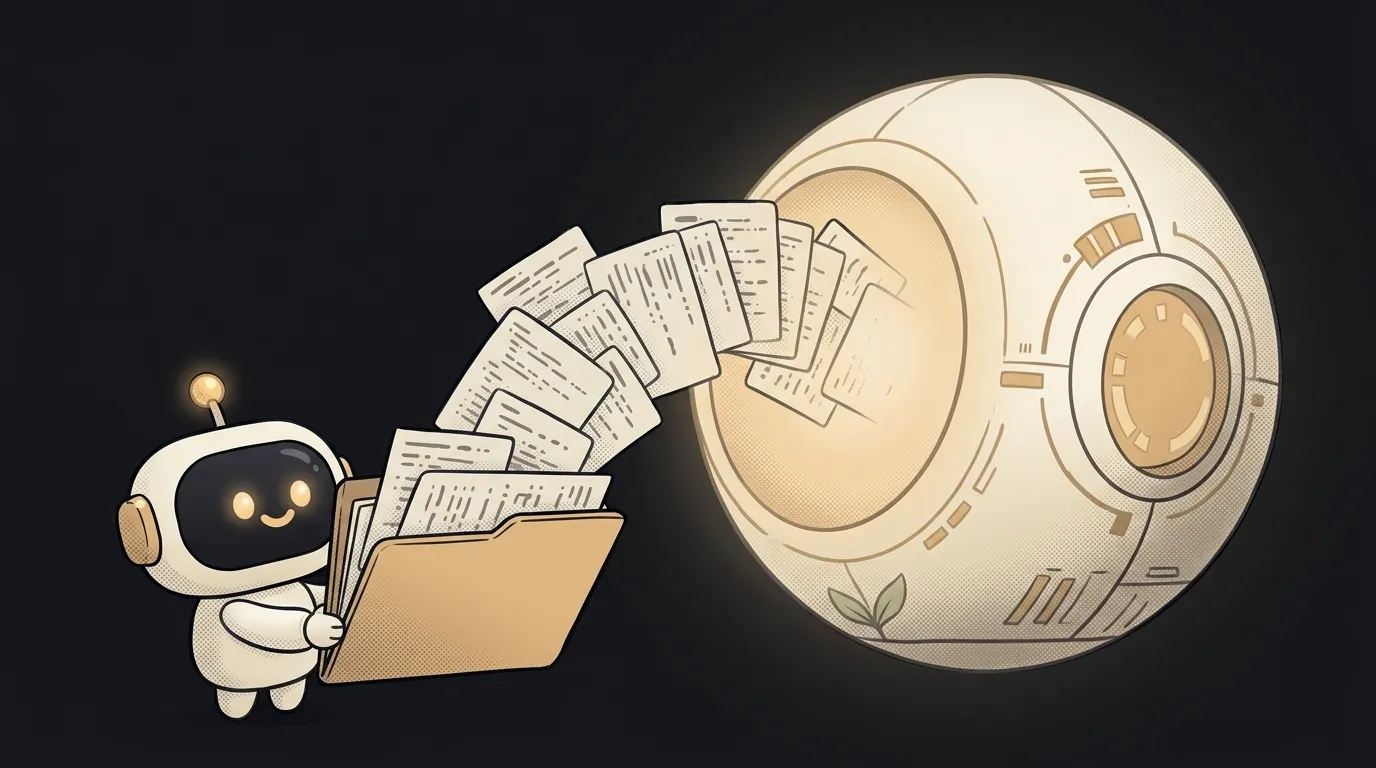
How to give AI context about your code — so it stops guessing
AI writes off-target because it can't see your project. Here's a step-by-step way to give AI context about your code with a single file — so answers get accurate.