#agent

What is headless mode for an AI agent — and why it silently skips steps
What headless mode (claude -p) is: the agent works with no window and no you — in a script, cron or CI. Why it quietly skips actions and how to grant it rights.
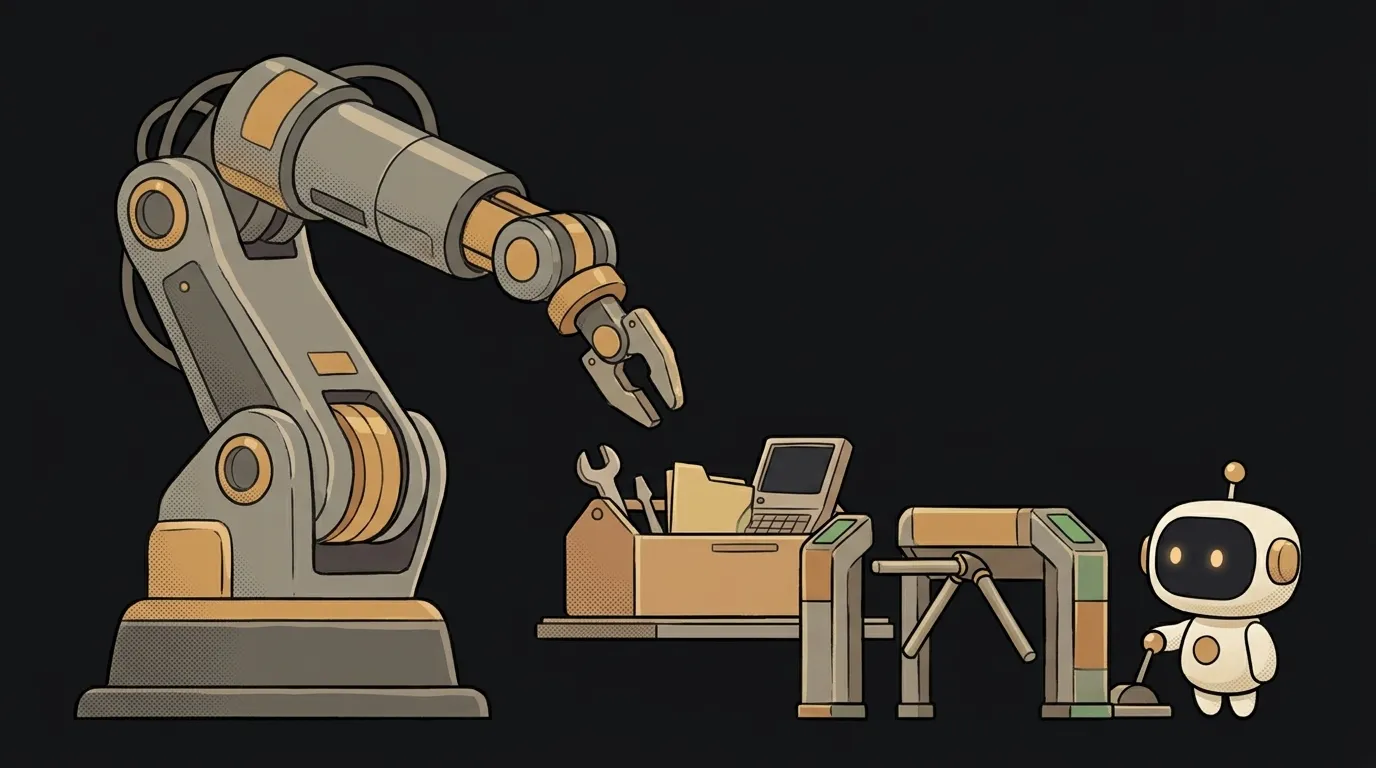
What is a hook in an AI agent — the rule the model can't ignore
What a hook is in Claude Code: a script the agent runs at each step. How exit 2 blocks a dangerous command, and why a hook beats the rules in AGENTS.md.
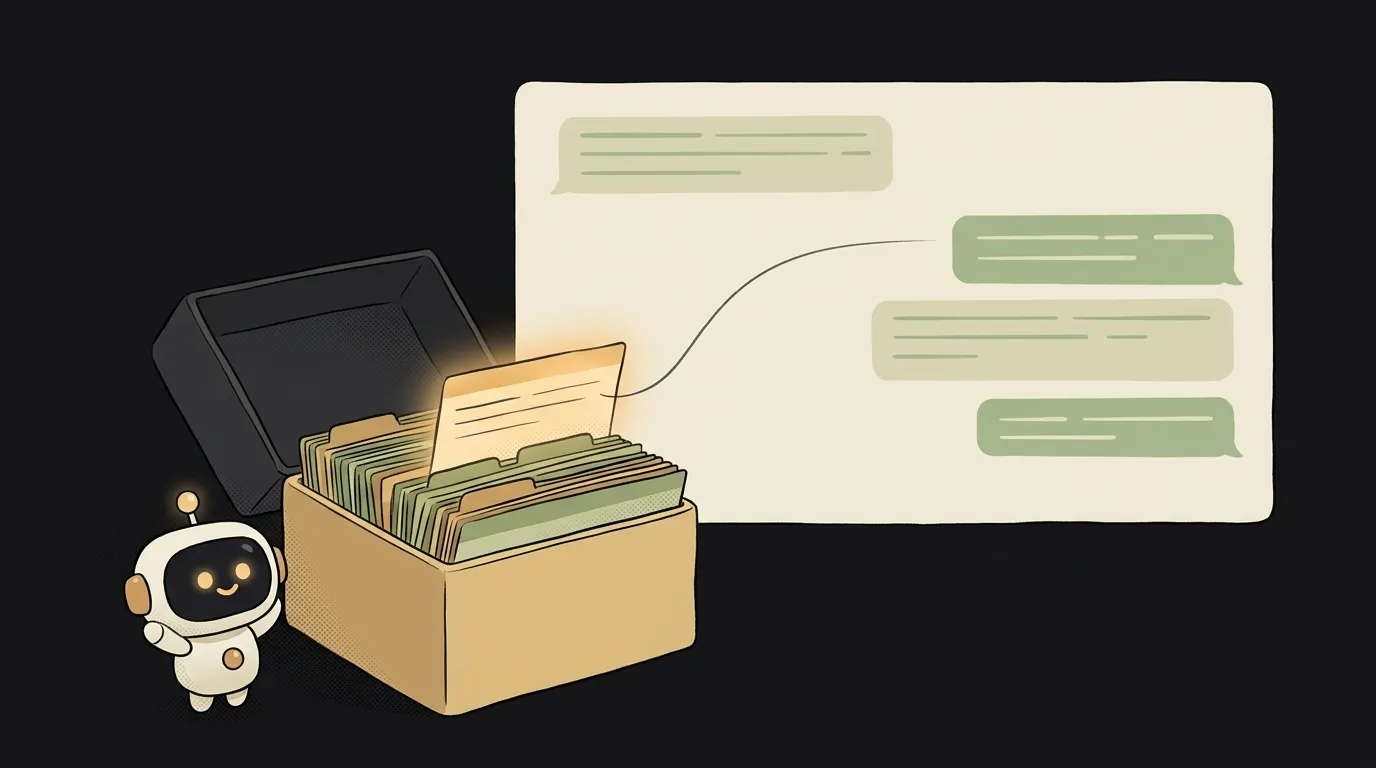
What is a slash command in an AI agent — and why it's just a saved prompt
What a slash command is in Claude Code and other agents: how /command turns into a prompt, what $ARGUMENTS does, and how your own command differs from built-in /compact.
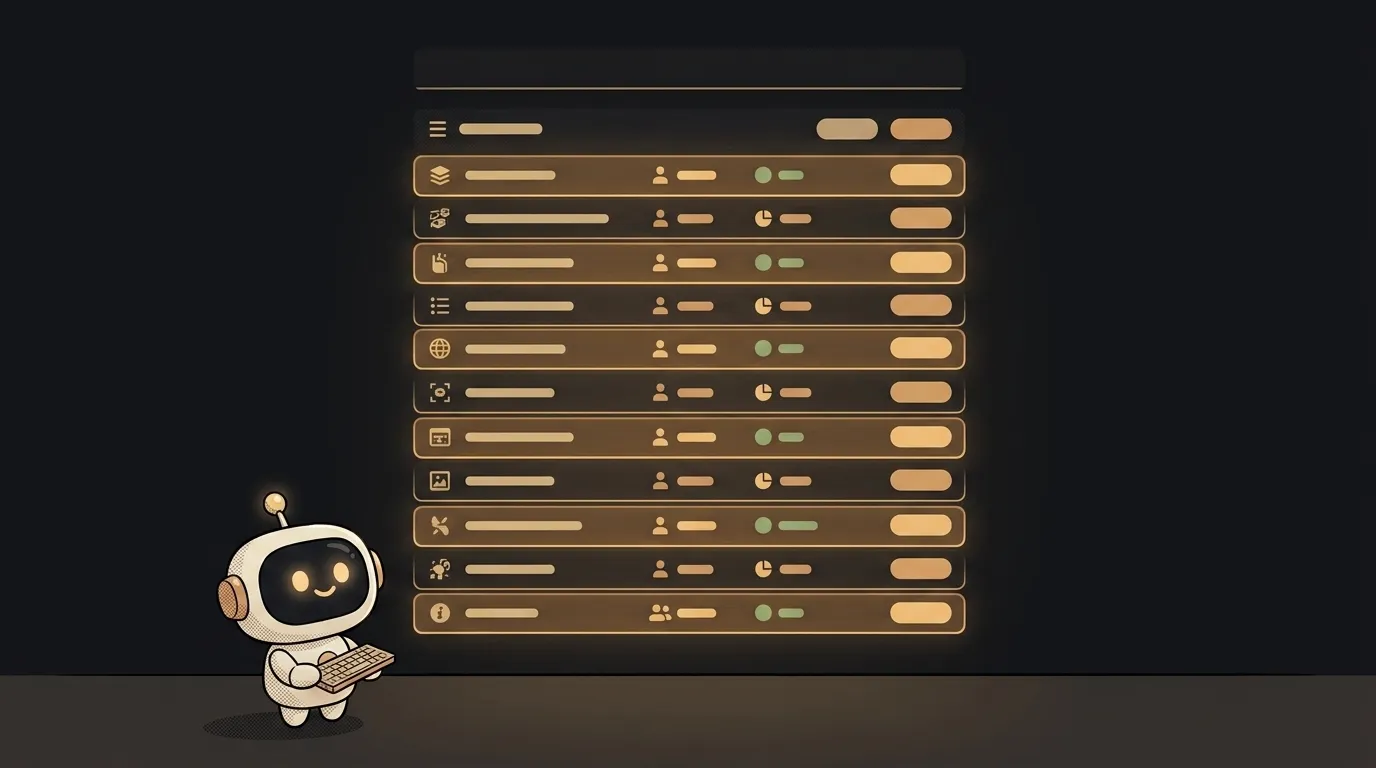
What is a headless browser — and why an agent sees a page differently than you
A headless browser is just Chrome without a window. It loads a page and hands it to a robot as text, not as a picture. Here's why agents need it and where it breaks.

AI agent vs workflow — when the AI decides, and when to keep it on rails
An agent decides the next step itself; a workflow runs on fixed rails. Here's the difference between an AI agent and a workflow — and when to pick each so you don't over-build.
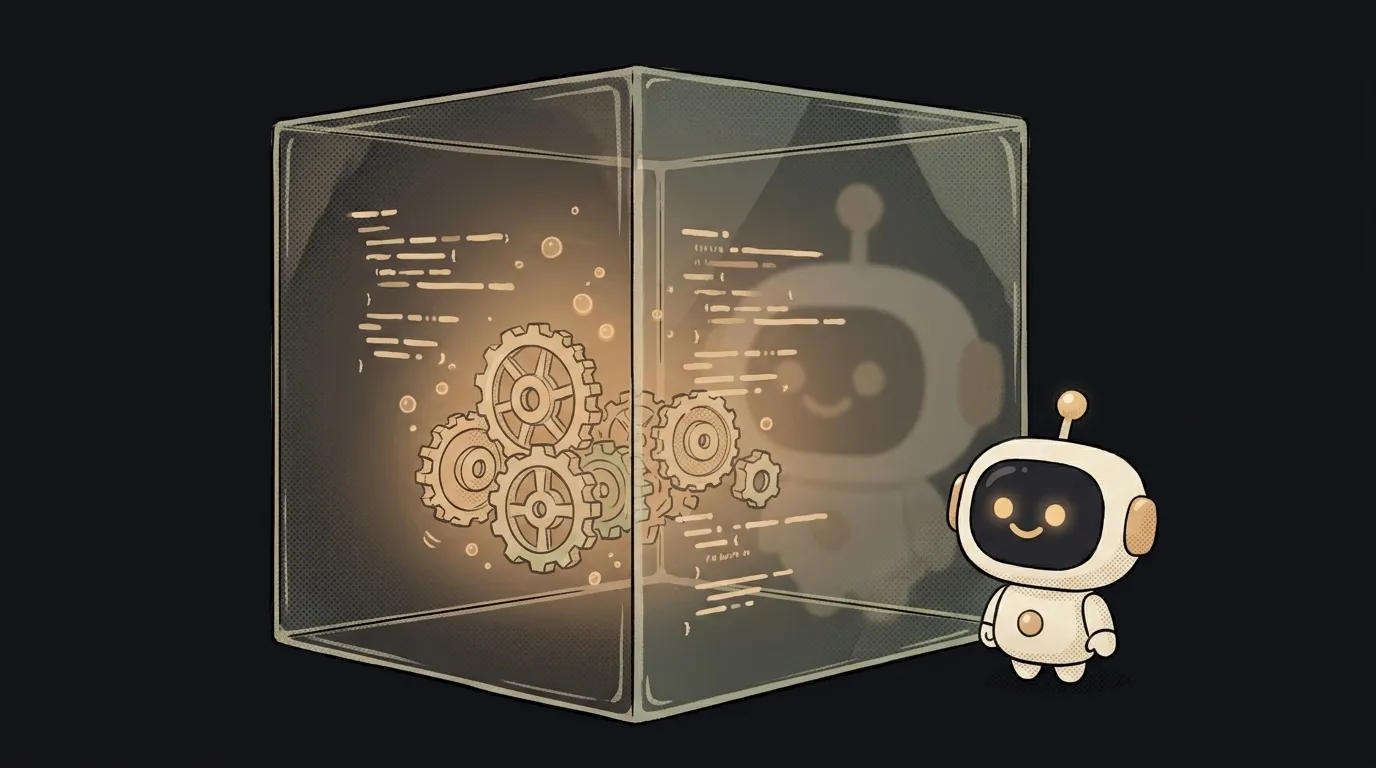
What is a sandbox — and why it's safe to let an AI agent run code
A sandbox is an isolated box where an agent's code can't reach your files. What a sandbox is and why without one it's scary to give AI access.
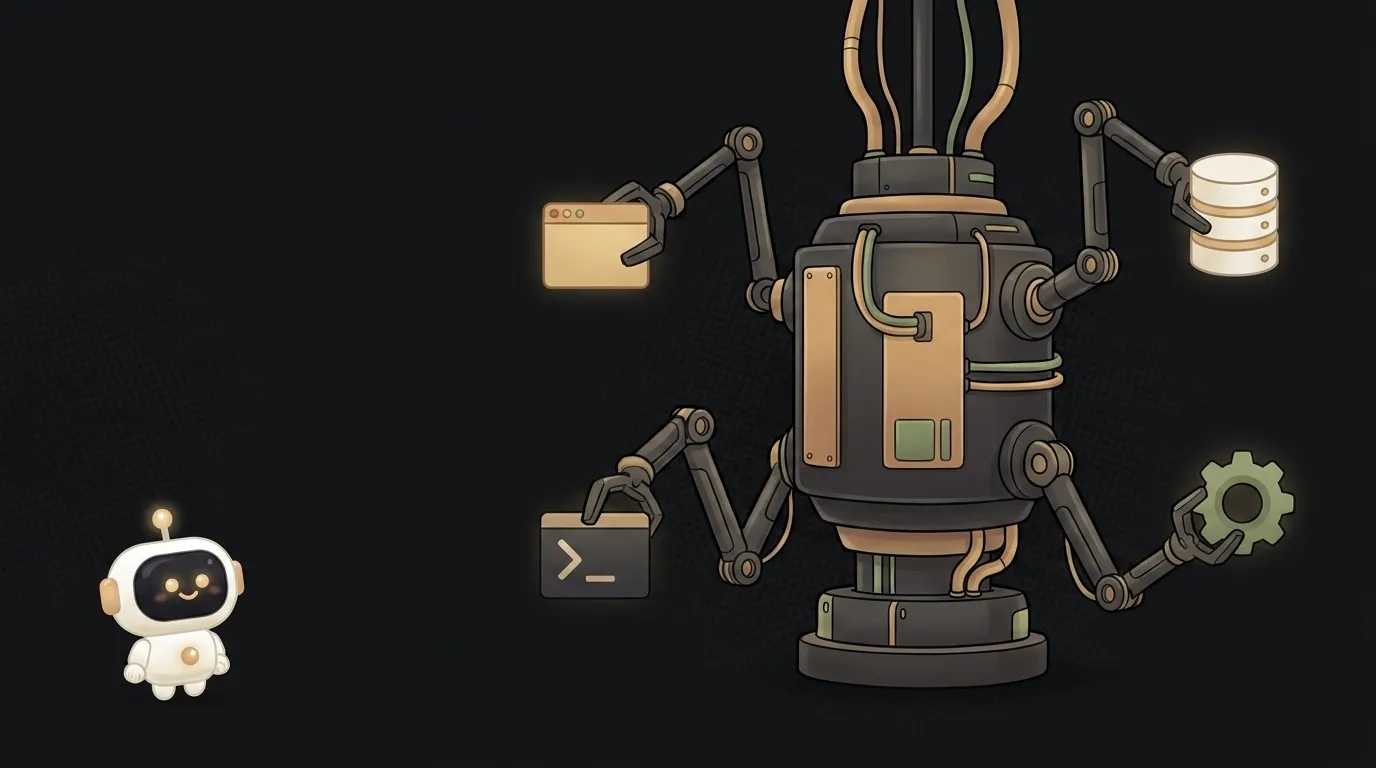
What is agentic AI — and how it differs from a plain agent
An agent does the task you hand it. Agentic AI decides for itself what steps a goal breaks into, then works through them. The difference, in plain words.
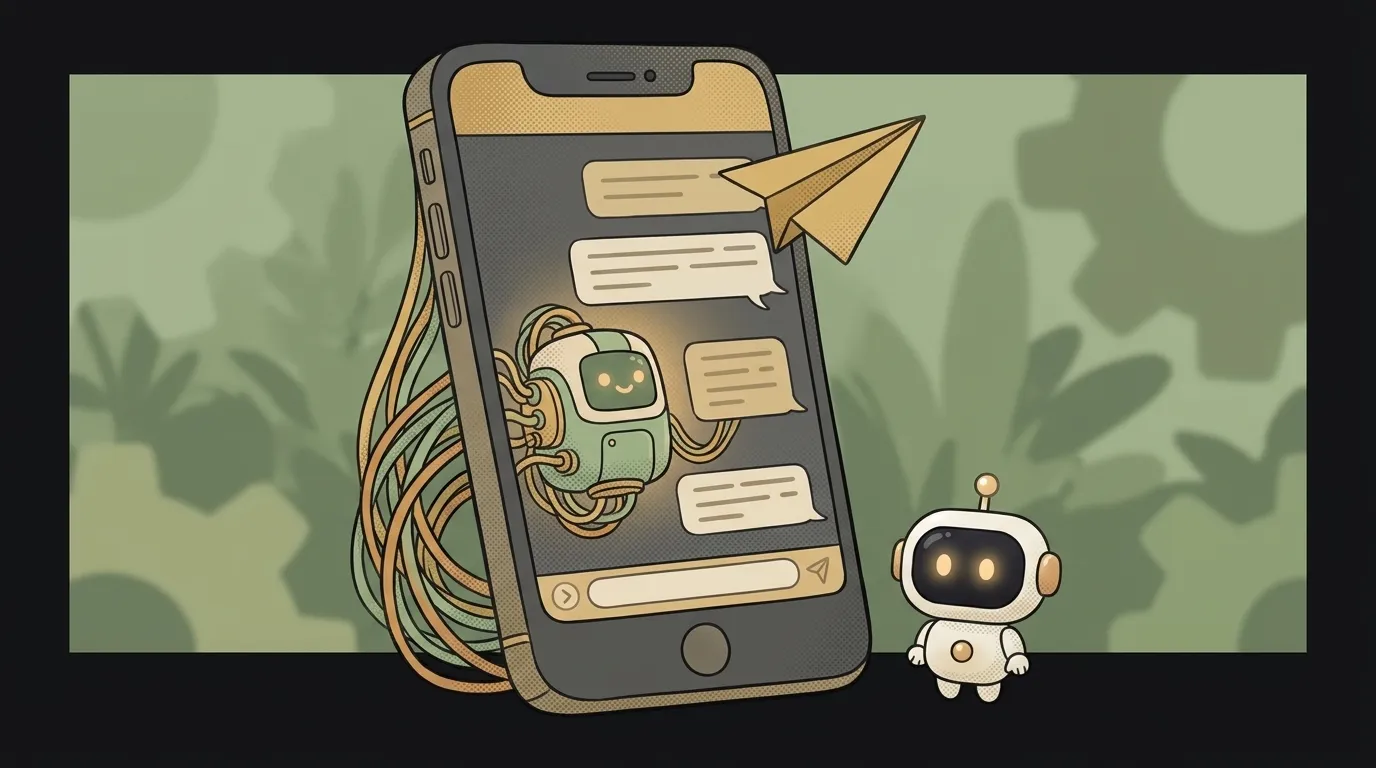
How to build an AI Telegram bot — 6 steps, and where people get stuck
A Telegram bot is the fastest way to give your AI real users today. Step by step: the token, a handler, the model call, a safe key, and deploy.
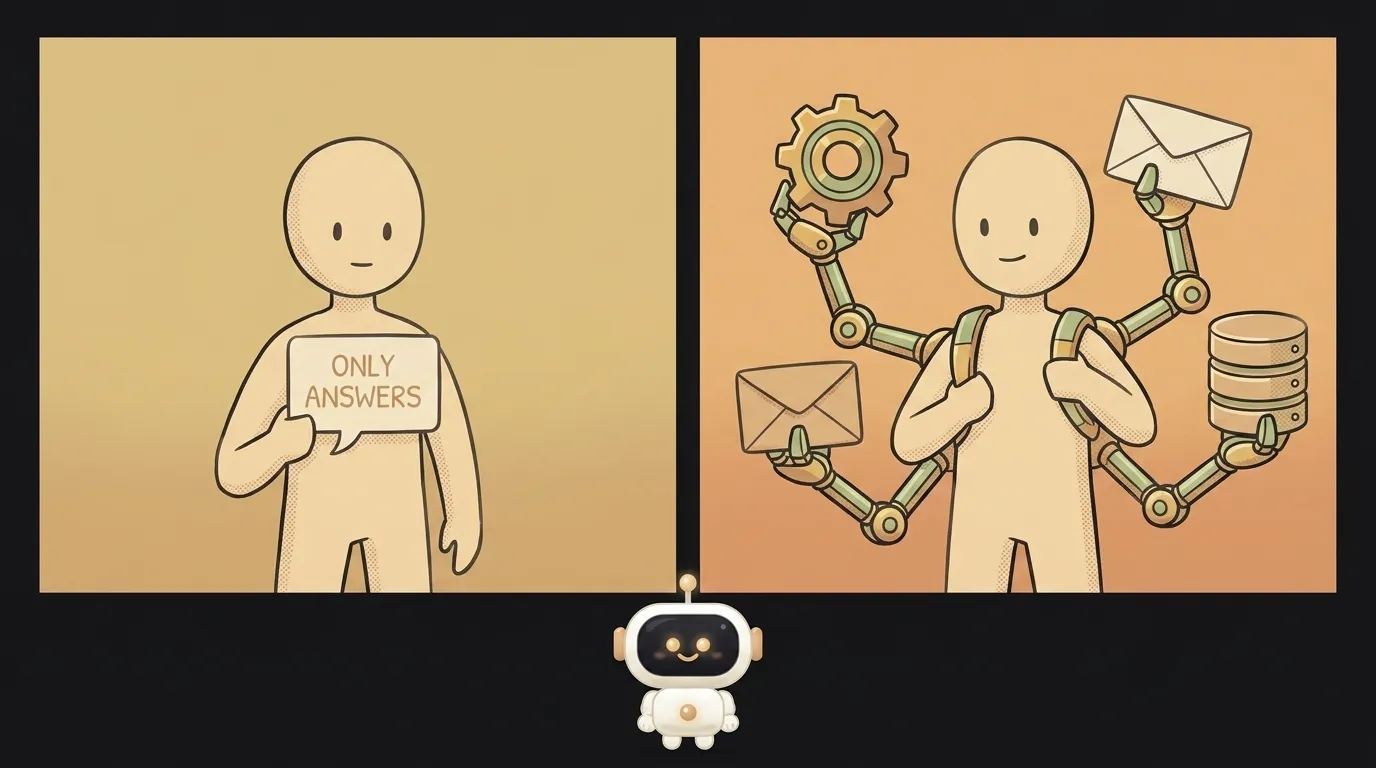
Chatbot or agent — what's the difference and what a beginner should pick
A chatbot answers, an agent acts. The difference isn't how 'smart' the model is — it's whether the AI can press buttons itself. We compare and tell you what to pick.
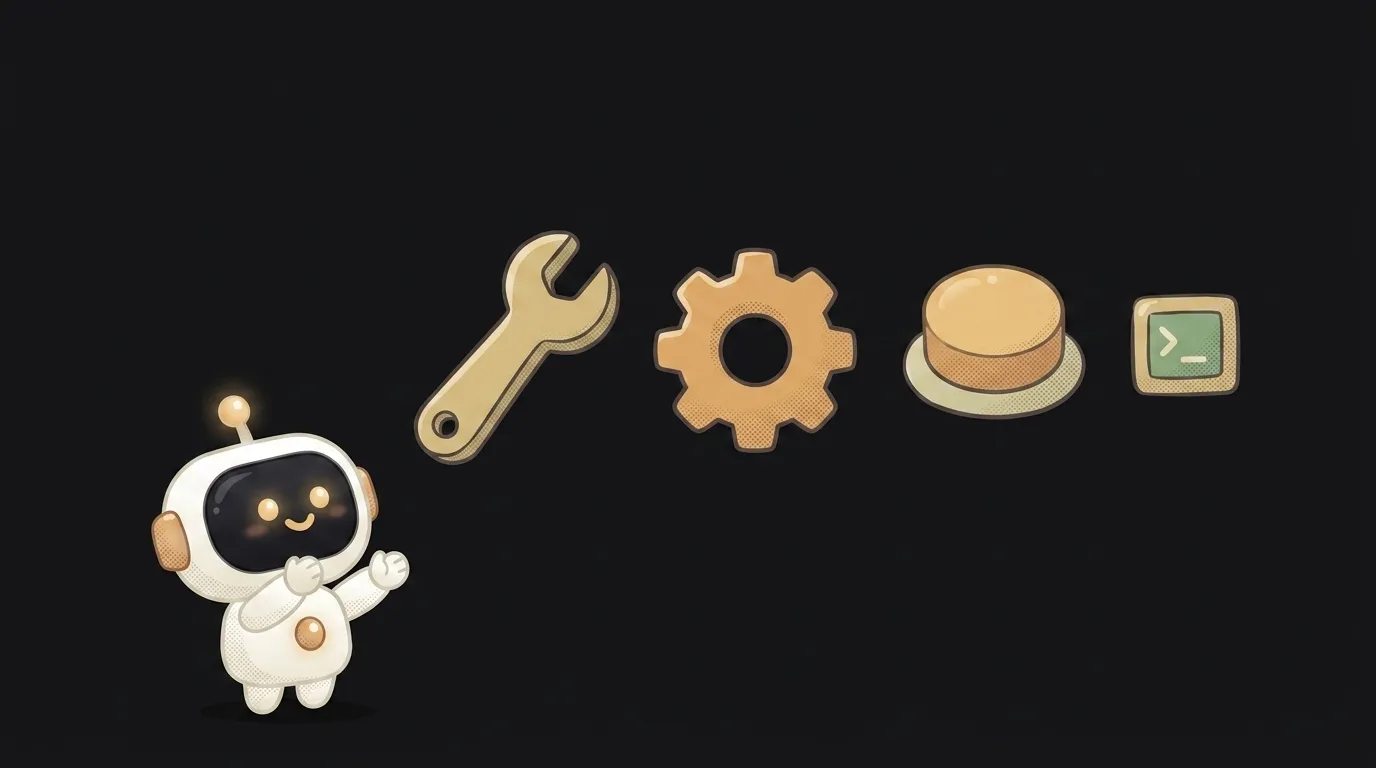
What is tool use — how an AI agent presses real buttons
A model does nothing on its own — it only writes text. Tool use turns that text into real actions. Here's how it actually works.

What is a webhook — and why it works on the 'don't call me, I'll call you' principle
A webhook is when a server knocks on your door the moment an event happens, instead of you polling it forever. Here's what it is, in plain words.