#agents

A $7 board — and AI taps around your iPhone on its own. No Mac, no jailbreak
Letting an agent drive an iPhone used to take a Mac, Xcode and a developer account. A new open project gets there with a tiny ESP32 board that pretends to be a mouse, while the model watches the screen over AirPlay. A weekend build.

Why your AI agent edits the wrong file — three causes and how to check each
The agent says «done» and nothing changed in your app. Three real causes: wrong folder, a twin file with the same name, and editing generated code.

What is an Agent Skill — and why it costs almost nothing
An Agent Skill is a folder with one SKILL.md file. The agent only remembers a one-line description and reads the full instructions when a task matches.

What is a subagent — and why it saves context, not time
A subagent is a separate agent with a clean memory. It reads forty files and hands you back five lines: all the search noise stays with it, not with you.

How to write an Agent Skill (SKILL.md) — in one evening, no code
Step by step: create the folder, write SKILL.md, get the agent to pick it up by itself. Plus the fix for the one mistake that keeps skills from firing.
Agent Skills or MCP — which to choose and how they really differ
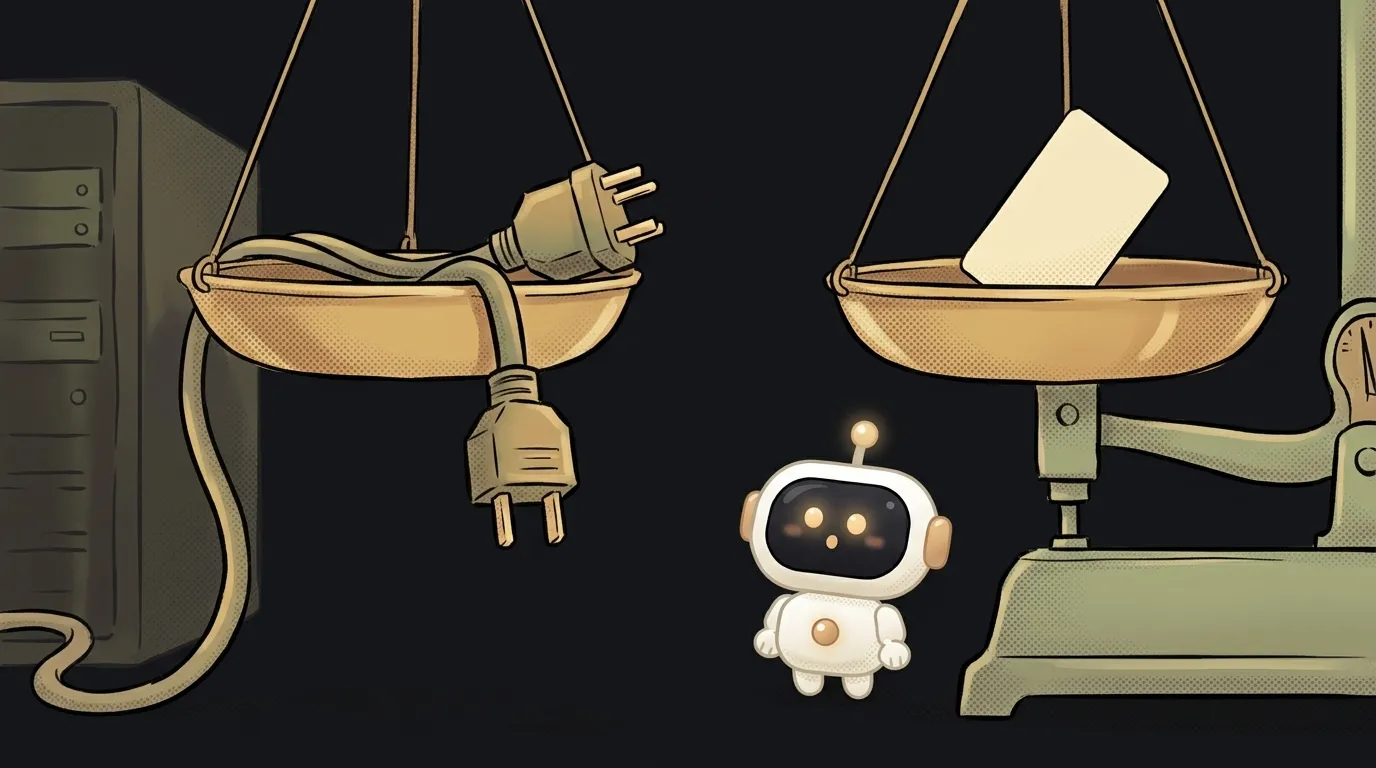
MCP gives an agent access to a live system; a skill gives it the procedure. We compare context cost, when you need a server, and when a folder is enough.

Why my MCP server won't connect — 4 causes, most common first
You added the MCP server but there are no tools, or it sits on 'Failed to connect'. Here are four causes ordered by frequency — and how to check each in a minute.
What is AGENTS.md — the file your AI agent reads before you ask
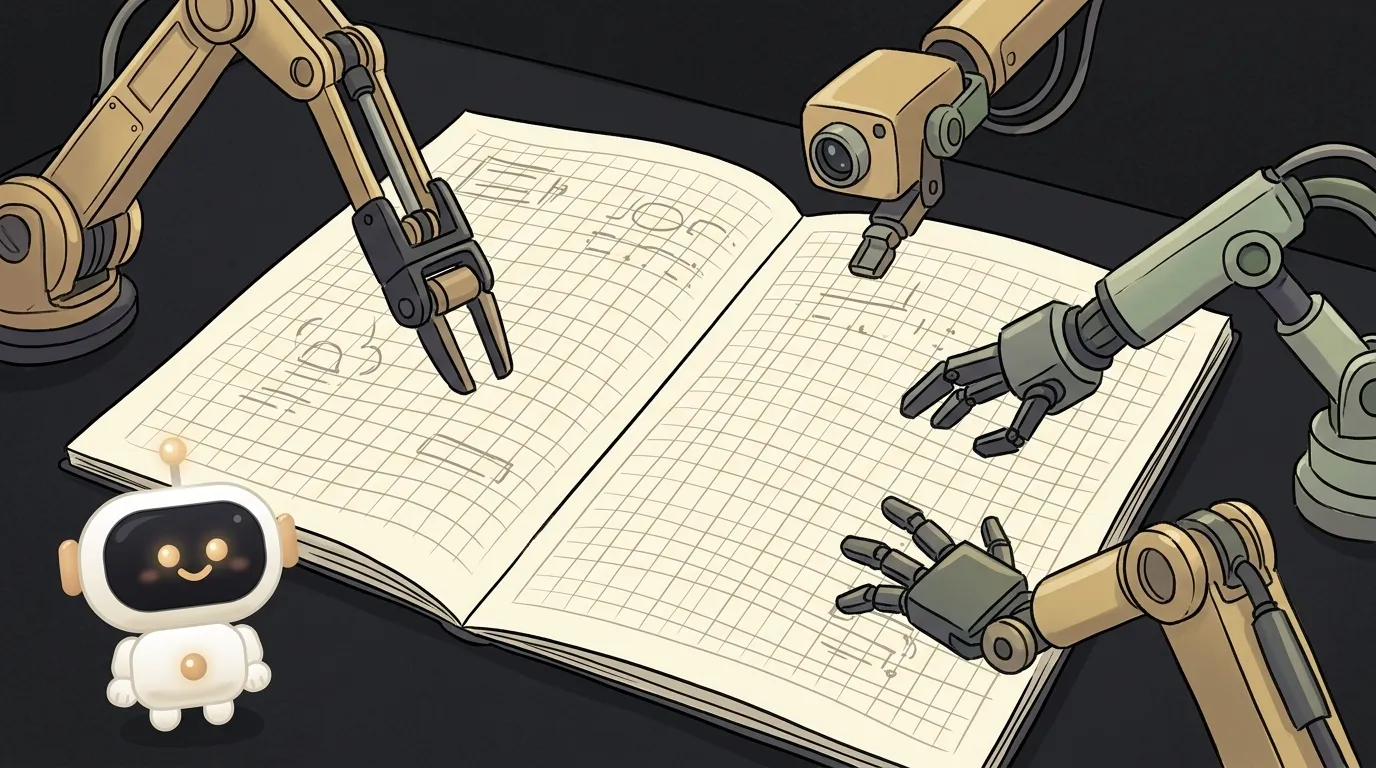
AGENTS.md is a plain Markdown file in your project root. AI coding agents read it on their own before they start. Here's what belongs in it — and what stays in the README.

How to connect an MCP server — one command, no JSON editing
Connecting an MCP server to your agent takes one terminal command. Step by step: hosted and local servers, how to verify the connection, where the config lives.
What is llms.txt — and why Google says you don't need it
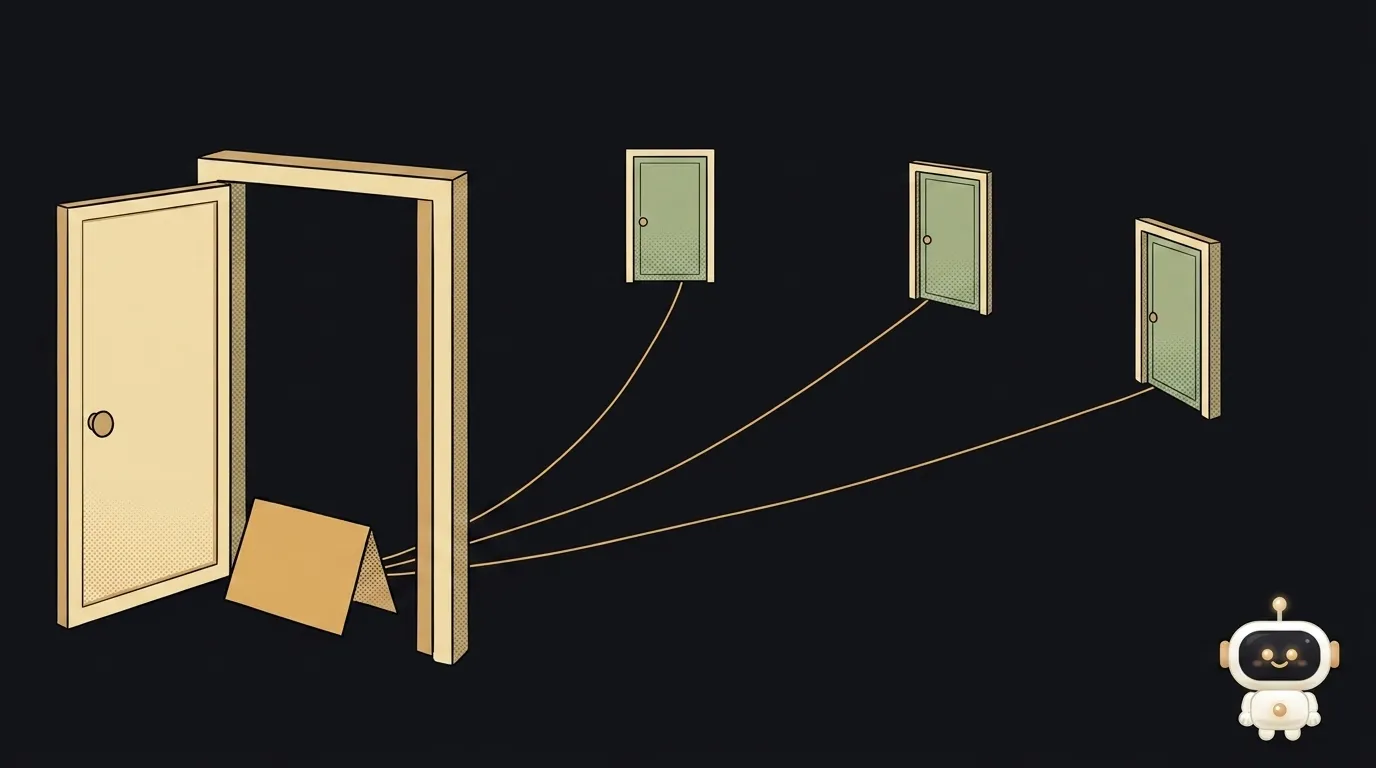
llms.txt is a file that explains your site to AI models. Here's the format, who actually reads it, and why adding it for search rankings is pointless.

What is human-in-the-loop — and why your approval gets skipped silently
Human-in-the-loop is the point where an agent stops and asks a person. Where to put that gate, and why your approval check is often bypassed in silence.

6 AI agent actions you should never pre-approve
Which AI agent actions always need human approval: deletions, money, anything sent outside, permissions, the production database and shipping — and what breaks.

MCP vs API — what's the difference and which to pick
MCP vs API: how a protocol built for models differs from plain REST, across five criteria. And why MCP doesn't replace your API — it sits on top of it.

What is a fallback — and why it isn't the same as «just try again»
A fallback is your backup plan when the main path fails. How it differs from a retry, how to build a ladder of backups, and why a silent fallback is dangerous.

Why my RAG returns wrong answers — 3 causes and how to check each
Your bot answers off-target or says «not found» about your own docs. Here's why RAG returns wrong answers, how to find the broken stage, and what to fix.

Why my Telegram bot doesn't reply — the three causes that catch everyone
Telegram bot not replying while the logs look clean? The three real causes — the 409 conflict, group privacy mode, and a silently dead process.

Useful MCP servers: 6 that earn their place in your context
The best MCP servers list isn't the longest one — it's the shortest. Six proven picks, what each one costs you in context, and how to switch them per task.

What is a reranker — and why semantic search finds the exact opposite
A reranker is the second stage of search in RAG. Here's why embeddings confuse "works" with "doesn't work", and how one model fixes it.

Why the AI rewrote code I never asked it to touch
You asked it to fix one function and the diff is two hundred lines. Three reasons an AI agent rewrites extra code, and how to set boundaries that hold.

Why your AI agent loops forever — and how to stop it
The agent repeats the same step and burns tokens. Three real causes behind it — and how to check and fix each one.

A bot that remembers you next week — instead of forgetting after /start
A normal bot forgets everything the moment you close the chat. Now memory is a separate service: the bot recalls your name and habits a week later. Free, with a ready prompt.
An agent that finishes the job while you sleep — close the laptop, it keeps working
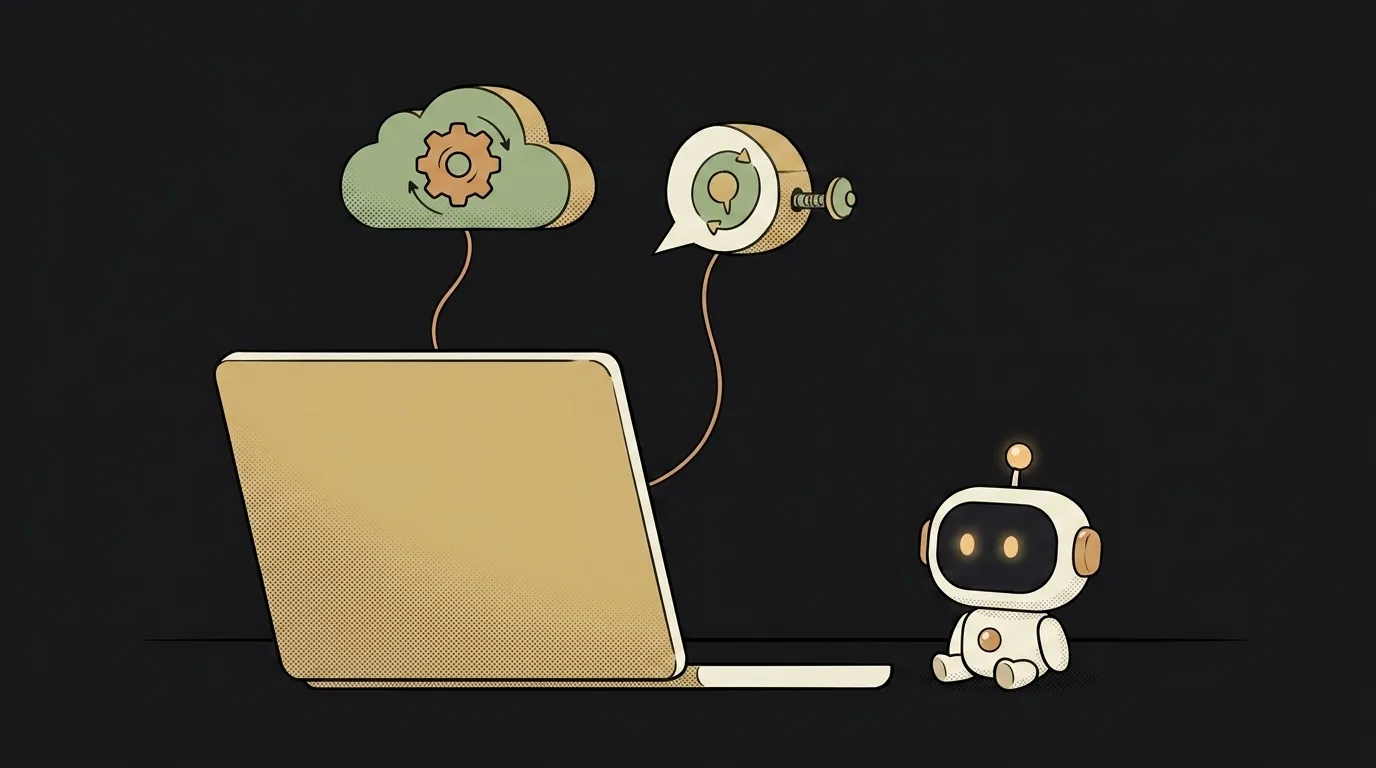
Before, an agent lived only while the tab was open. Close the laptop on the train — it died halfway. Now you set background: true and walk away. With a ready-made prompt.
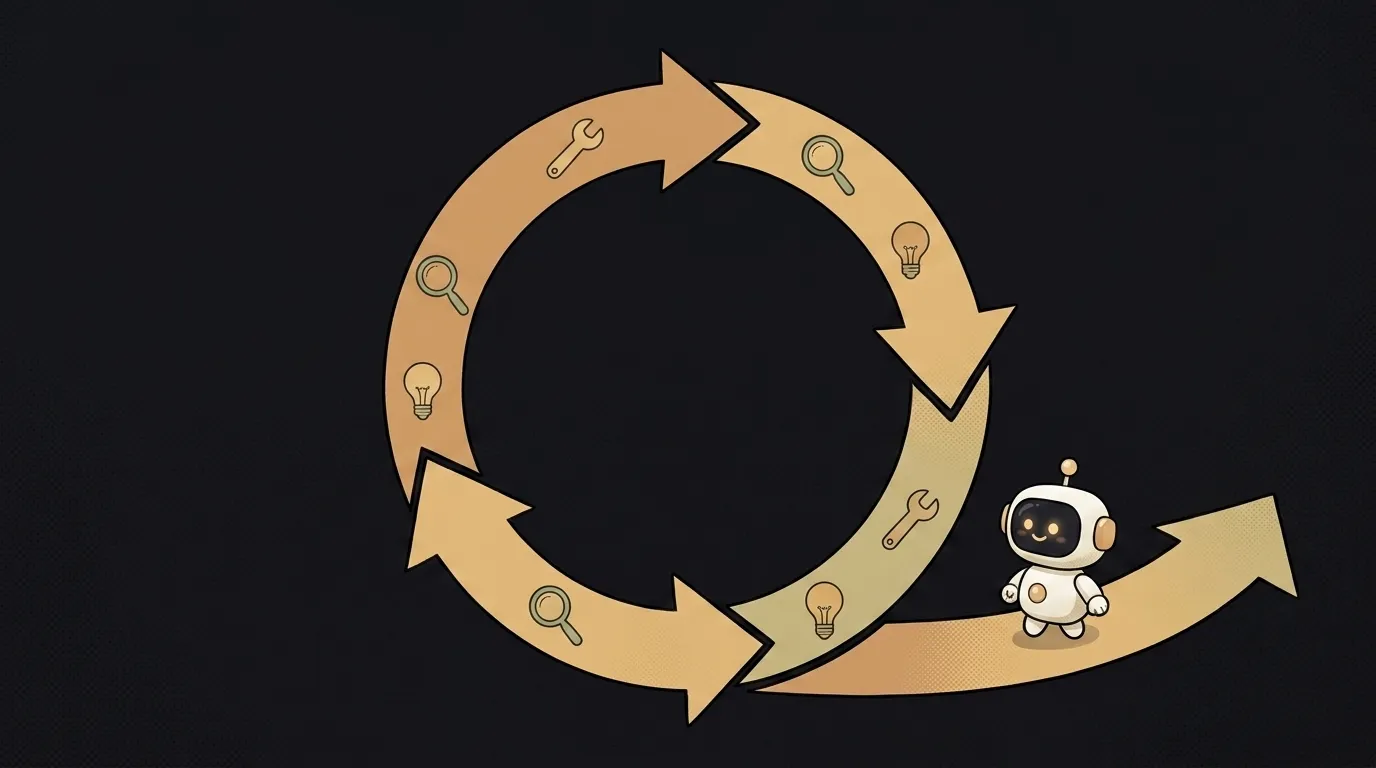
What is an agent loop — how an AI finishes a task on its own
An agent doesn't answer in one shot. It spins a loop — think, act, observe — until the task is done. Here's the agent loop, the heart of every AI agent.
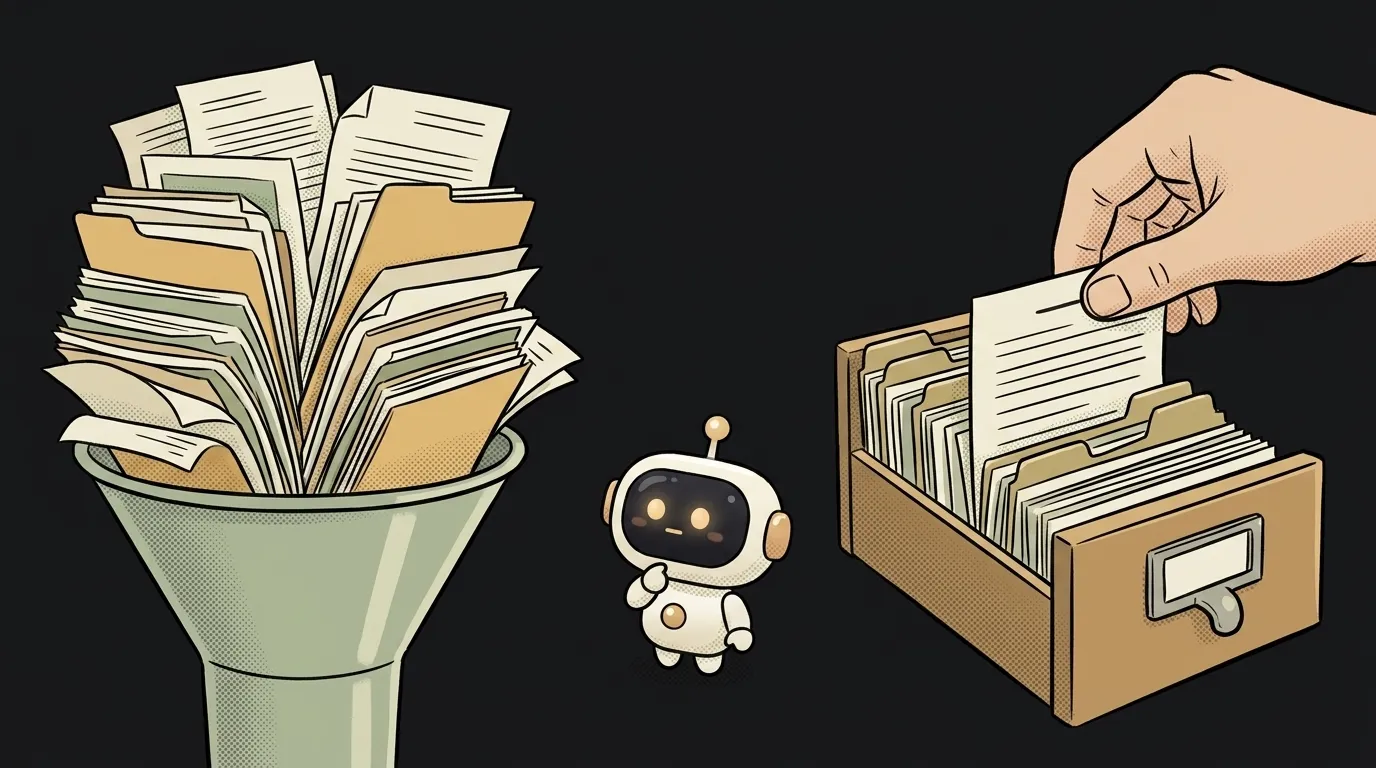
RAG or long context — paste your documents in or search through them
Context windows grew to a million tokens — so is RAG obsolete? Not so fast. We compare RAG and long context on cost, freshness, and reliability.
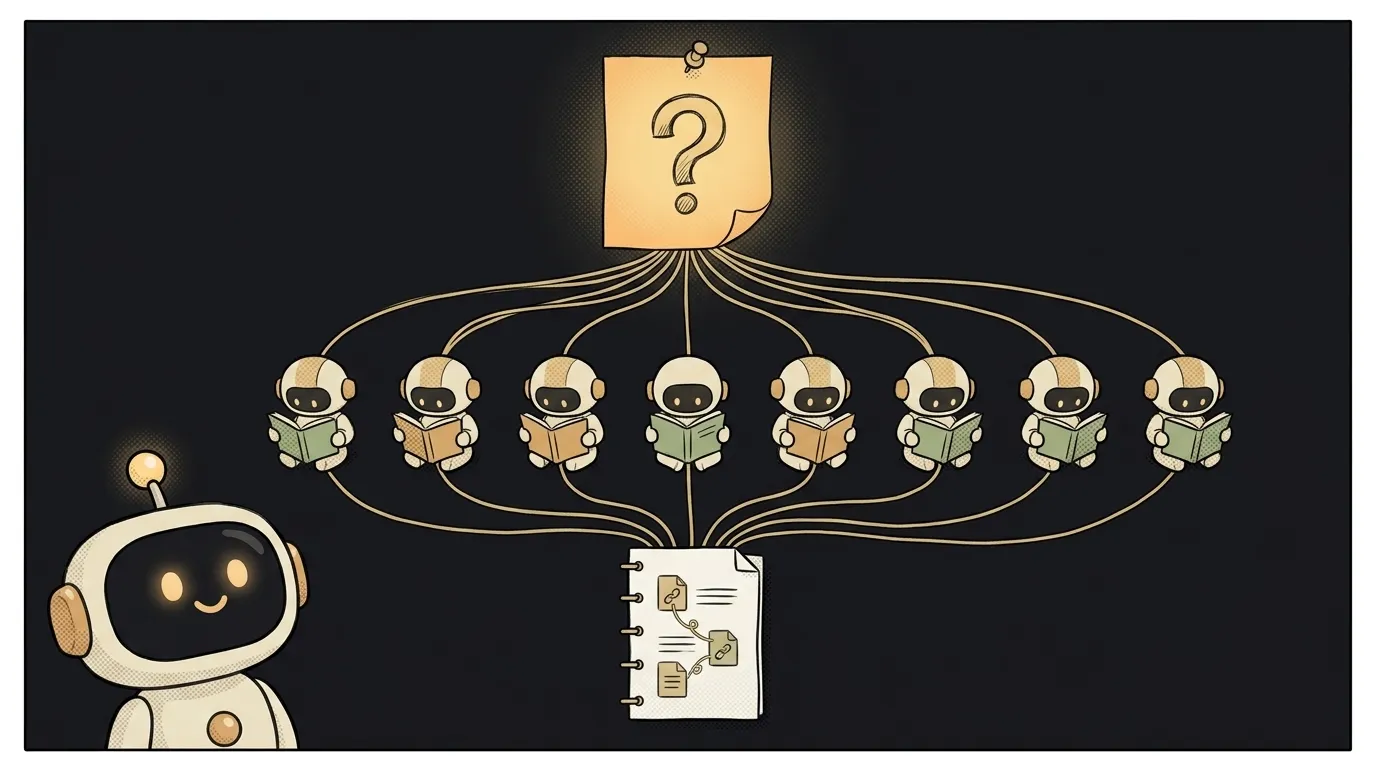
Ask one question — and a swarm of agents splits it up and stitches the answer back
A 'swarm of agents' used to be something you wired up by hand, and ten in parallel cost real money. On July 9 OpenAI baked it into the model and a cheap tier made it pennies. Build your own mini-research this weekend.
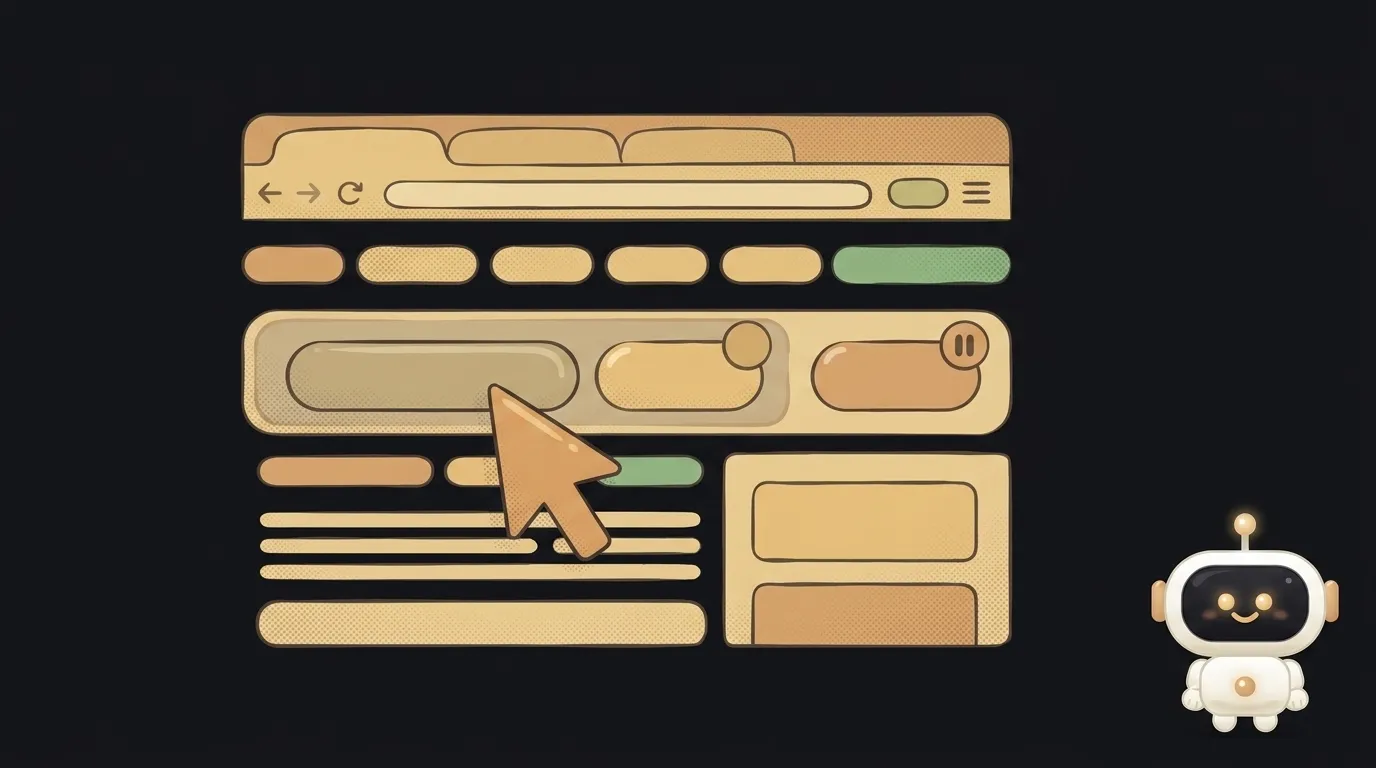
Describe a boring web chore in words — and watch a bot click the site itself
Automating a website used to mean a brittle script tied to specific buttons — one redesign and it broke. Now the agent just looks at the screen and clicks, like a human. A weekend build.
Why your bot forgets what you talked about — and how to fix it
Bot loses the thread and re-asks what you already said? Usually it's not a glitch. Three real reasons AI forgets context, and what to do about each.
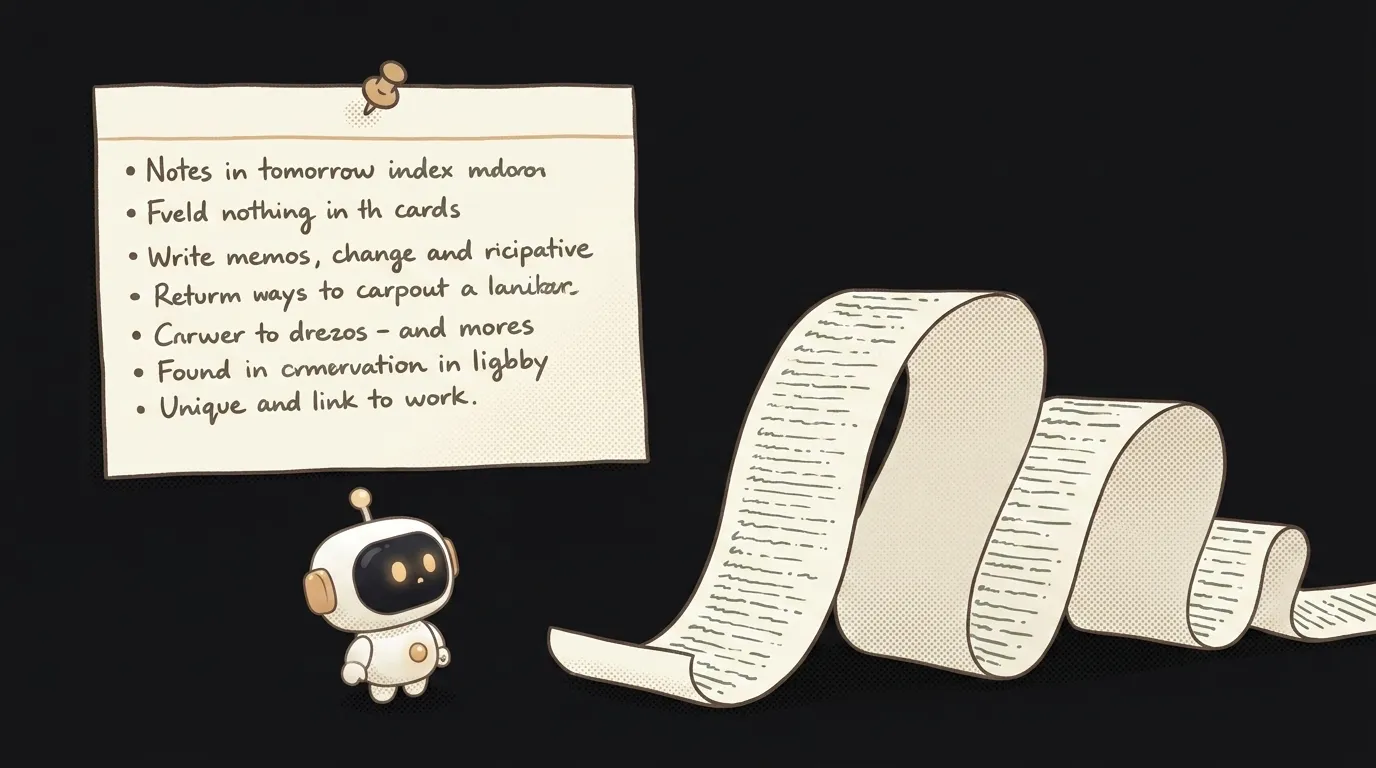
What is AI memory — and why the model forgets what you said a minute ago
What memory means for an AI assistant: why the model doesn't 'remember' but re-reads the chat from scratch, how chat memory differs from persistent memory, and how to use each.
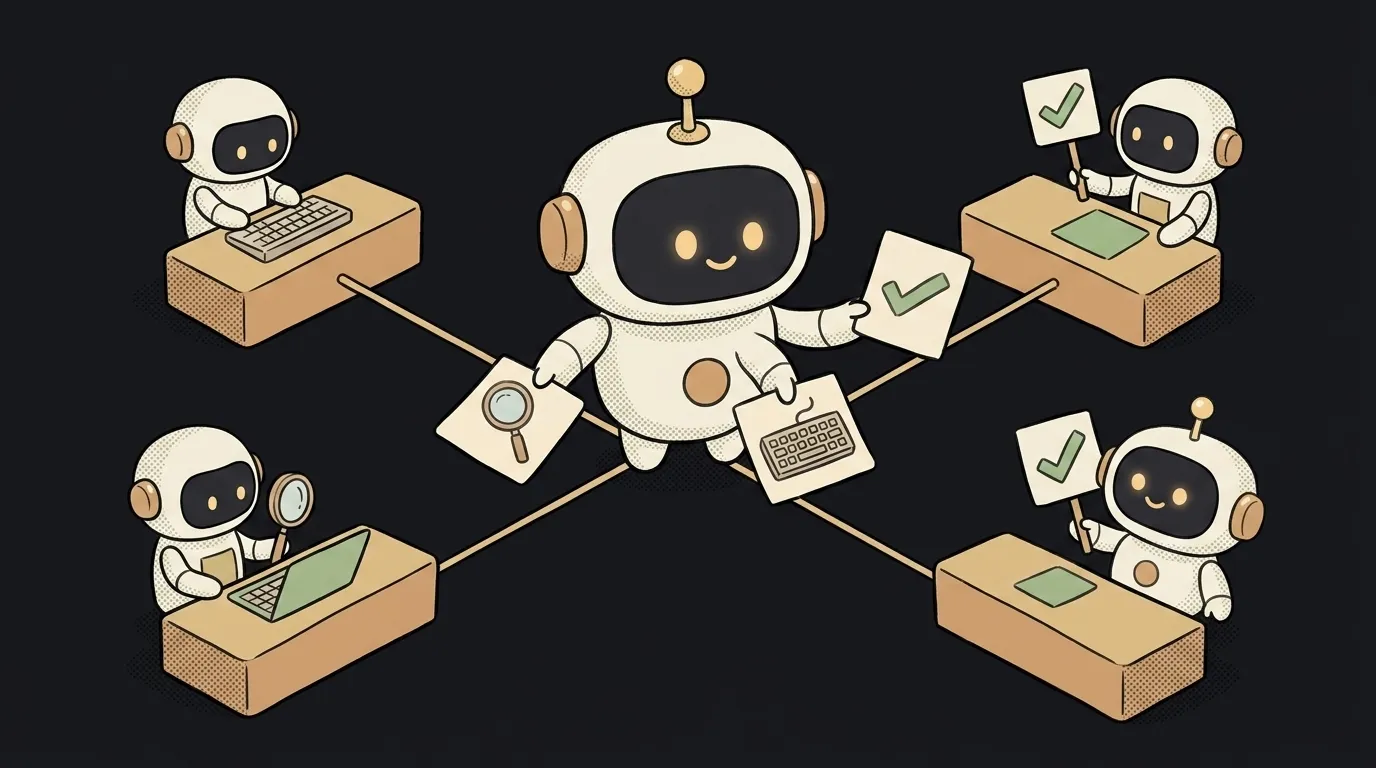
What is a multi-agent system — and why five narrow AIs beat one do-it-all
A multi-agent system is a team of AI agents, each with its own role. Here's when the team is truly smarter than one agent, and when it's just pricier.

An agent that watches the web on its own — and texts you first when the thing you're waiting for shows up
A restock or ticket watcher used to mean coding a parser, a schedule, a diff. Now the agent does the looking and decides what matters. A weekend build.
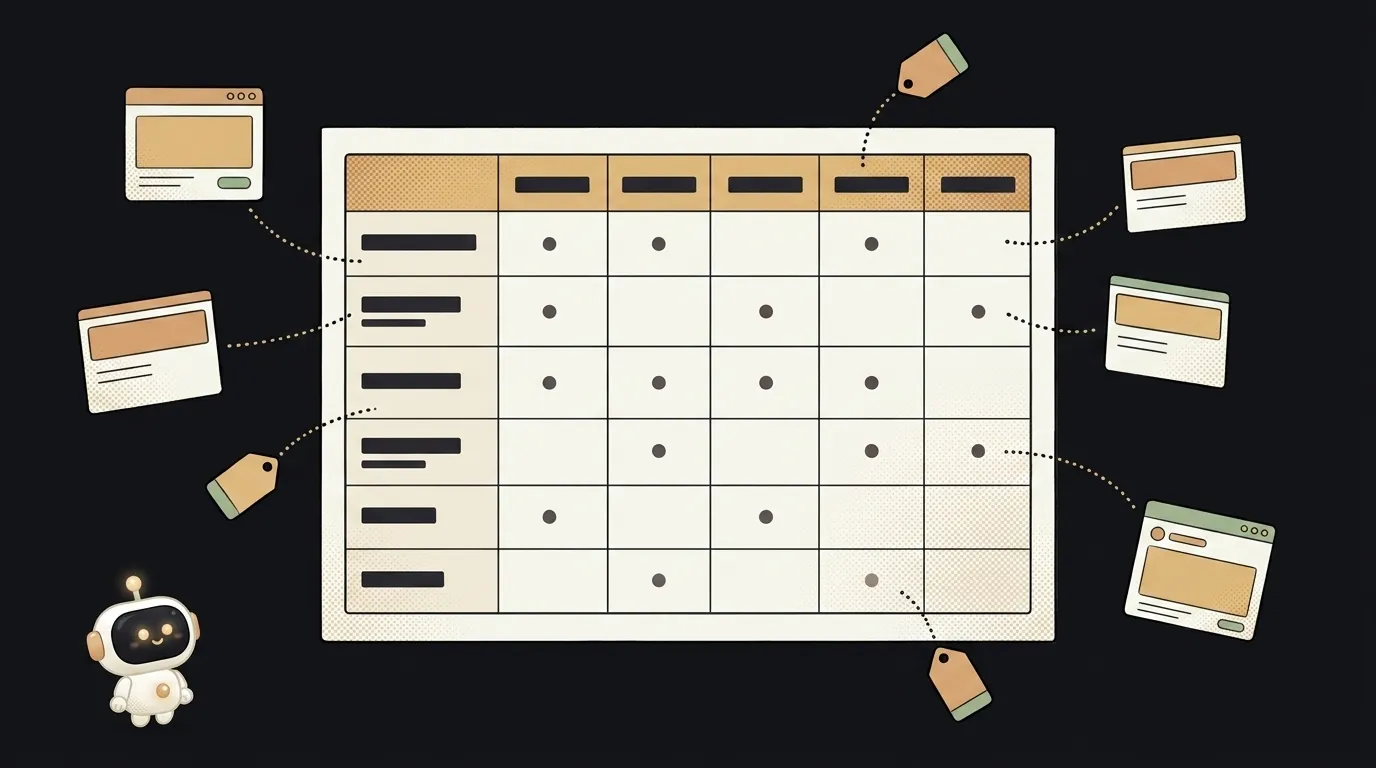
Write the errand in plain words — the agent googles, calculates, and hands you a table
"Agent" used to mean you wired up the think→go→check loop by hand. Now it's one API call: the server runs the loop for you. A weekend build.
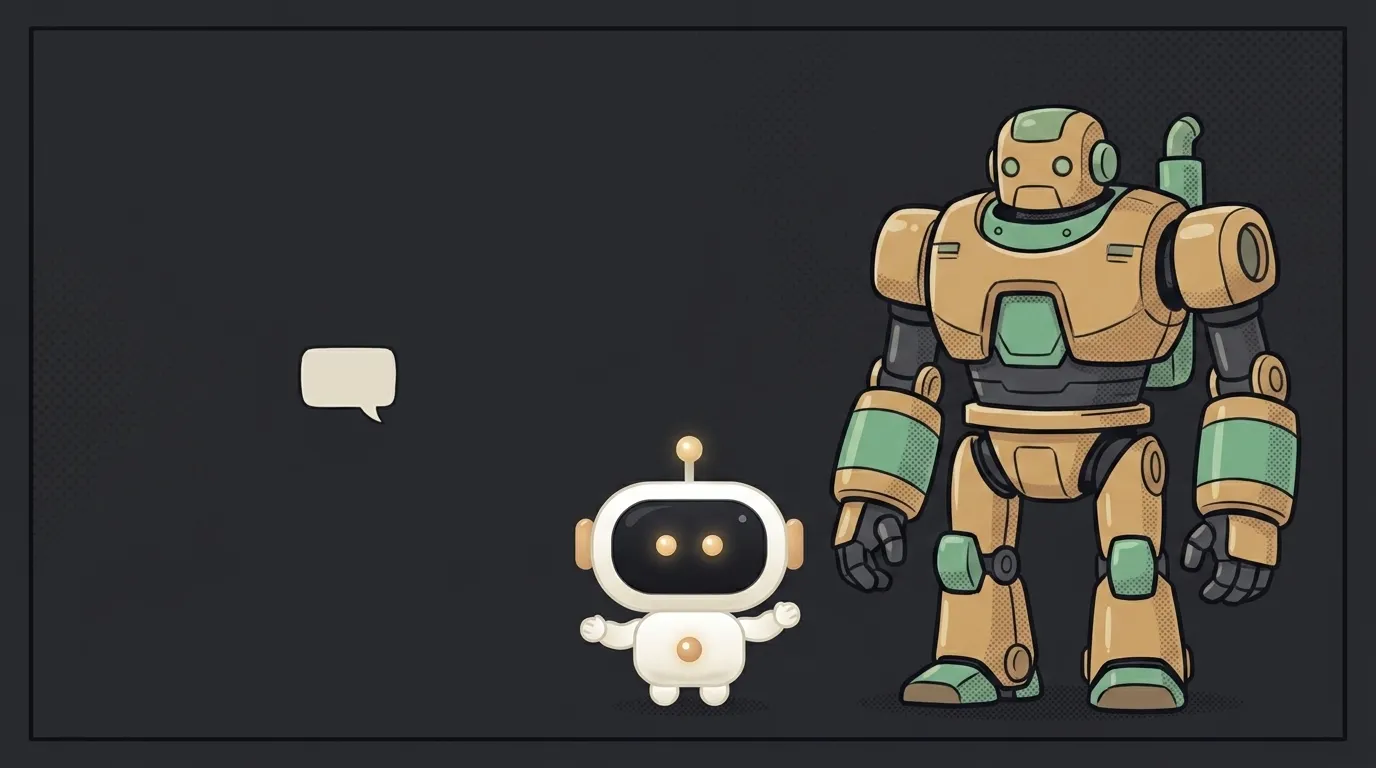
What is an AI agent, in plain words — and how it differs from a chatbot
A chatbot answers, then waits. An agent acts: it opens your files, runs the code, reads the error and fixes it. The difference is what it does, not just what it says.
Agents now write code “by vibe” — and it changes the rules
A new wave of AI agents turns a short prompt into a working app in minutes. We break down what it means for total beginners.
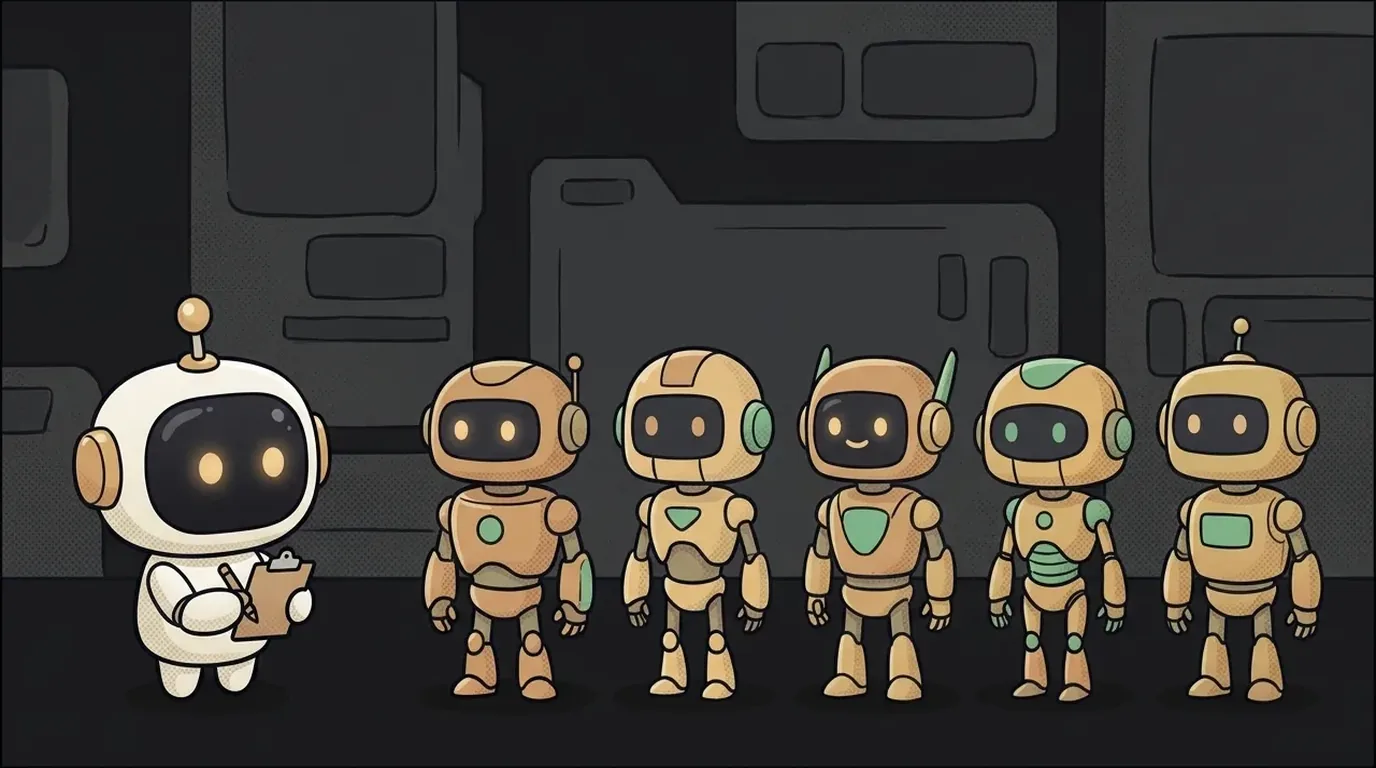
One prompt, a whole app: five agents on one task — and the best didn't win
We gave five agents one brief — build a habit tracker. The winner wasn't the fastest or the smartest, but the one that asked a question first.