#images
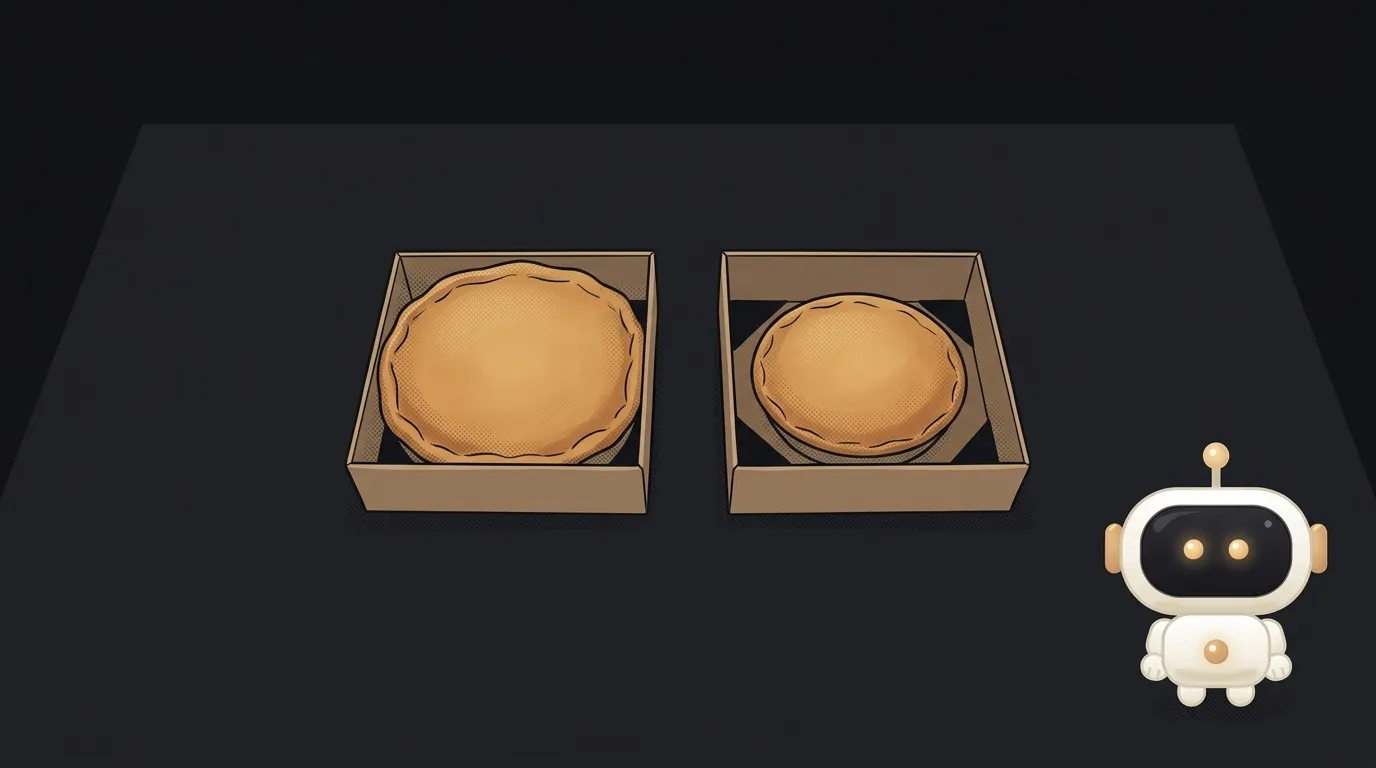
object-fit: cover vs contain — which one stops images from squashing or getting cropped
object-fit: cover vs contain compared on cropping, empty bars, card grids and photos of people. Plus scale-down for logos and object-position.
What is lazy loading — and why it can make your site slower
Lazy loading defers images until you scroll and saves bandwidth. But one line on the first screen makes your site slower — here's exactly why that happens.
What is alt text — and why the same image needs different alt on different pages
Alt text describes an image's role, not its pixels. Here's what to write for photos, icons and buttons — and when empty alt is the right answer.
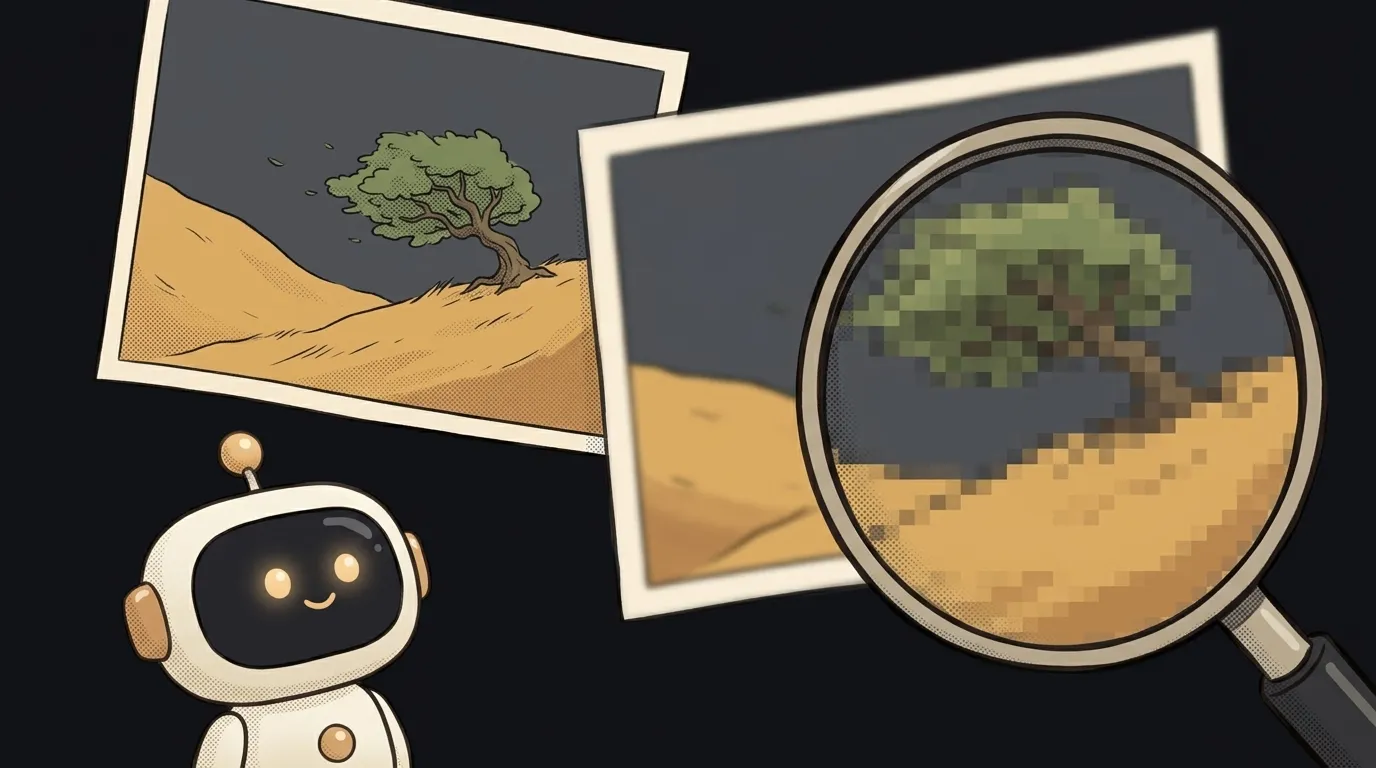
Why your images look blurry — 3 causes, and the first one hides in the screen
Why images look blurry on your site and especially on phones: three causes — screen density, raster instead of SVG, over-compression — and the fix for each.
SVG or PNG — what to use for a logo, and why SVG isn't an image at all
SVG or PNG for logos and icons: how they fundamentally differ, which weighs less, where SVG gets risky — and a clear verdict on what to pick when.
JPEG, PNG or WebP — which image format to use on your site
JPEG, PNG or WebP: how they differ, which one weighs less, and why transparency is no longer a reason to reach for PNG. Comparison table and a clear verdict.
What is inpainting — and why a mask is a hint, not an eraser
Inpainting is editing part of an image with a neural network. What the mask actually does, why the whole picture changes, and how to prompt a patch.
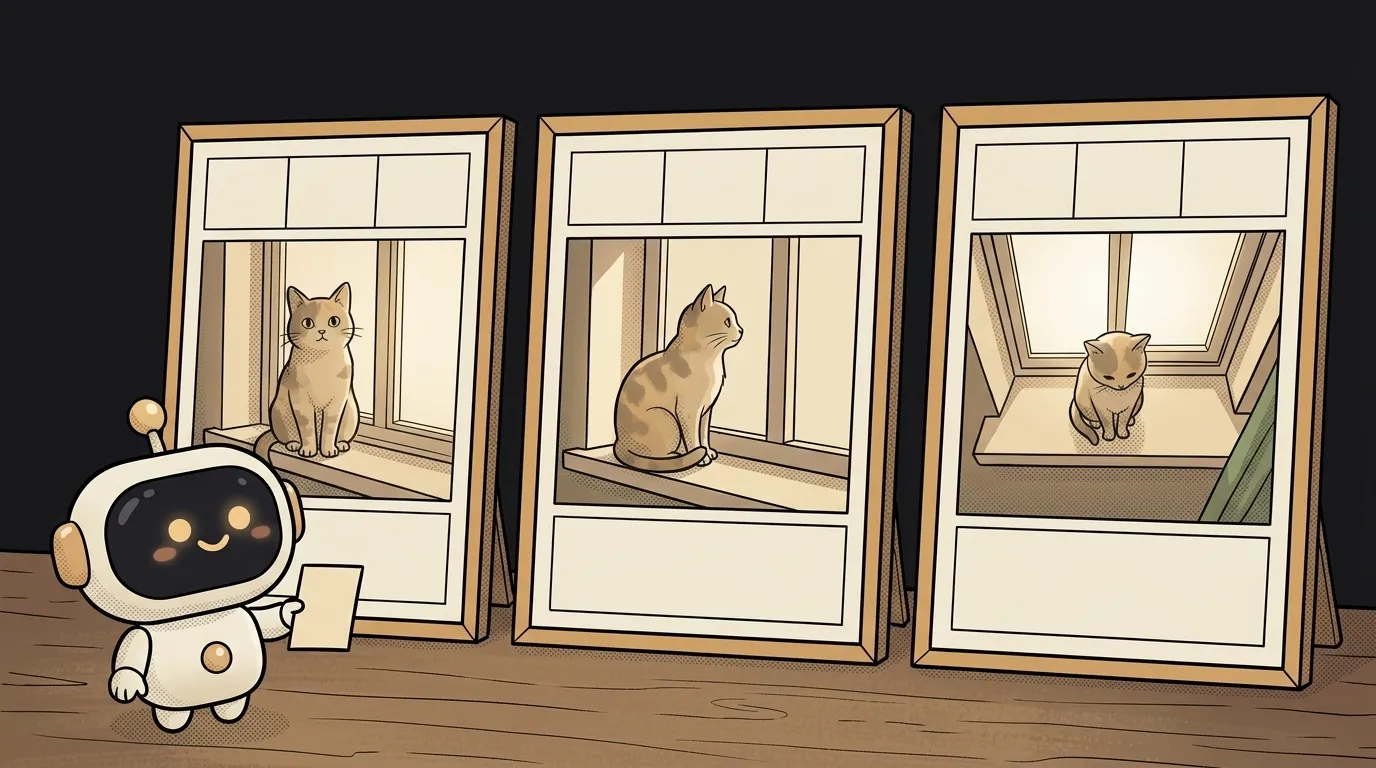
How to write image prompts — 5 steps from “draw a cat” to the shot you wanted
An image prompt isn't a description of an object, it's a description of a shot. Five steps: scene, light and lens, format, one-variable debugging, and negatives.
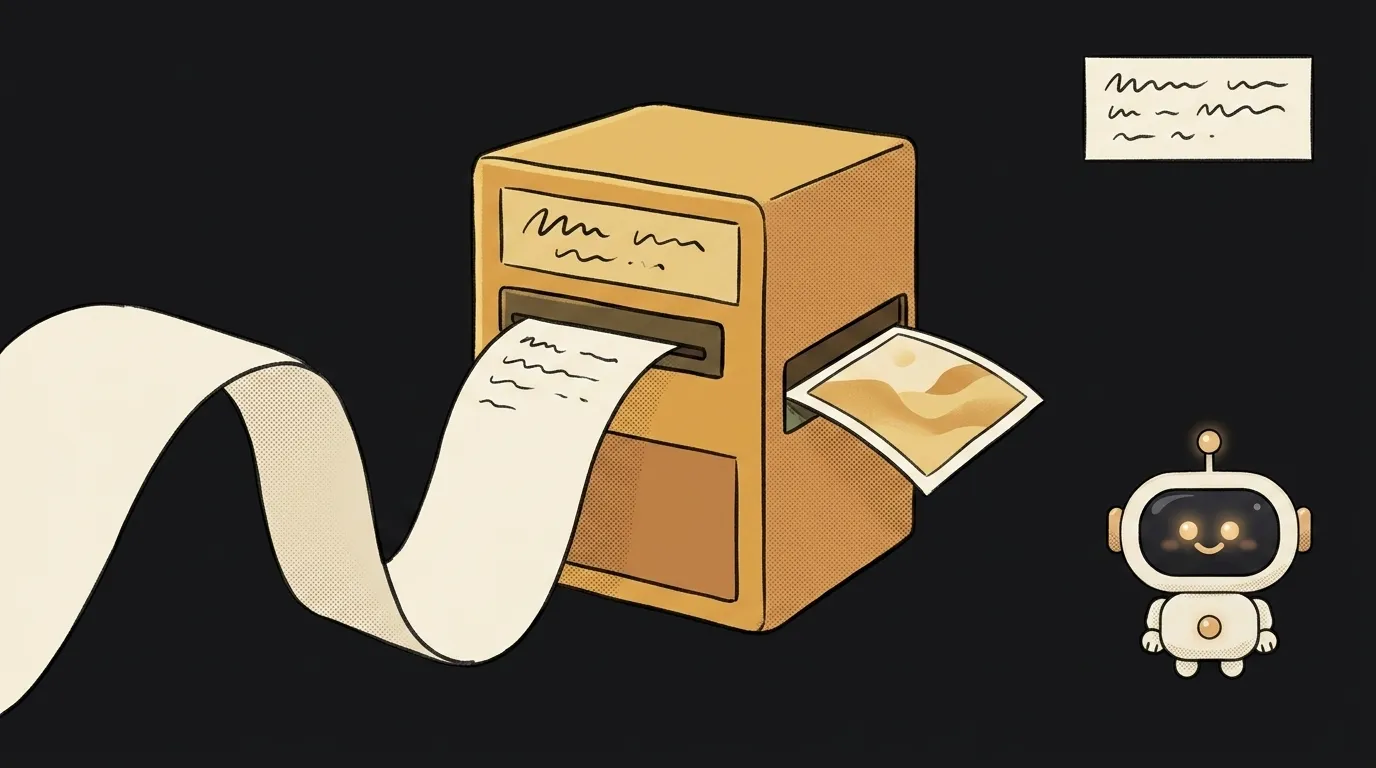
How to generate images with an API — 5 steps and the base64 trap
Step by step: where to get a key, how to send your first request, and why the response holds base64 instead of an image URL. Plus what it really costs.
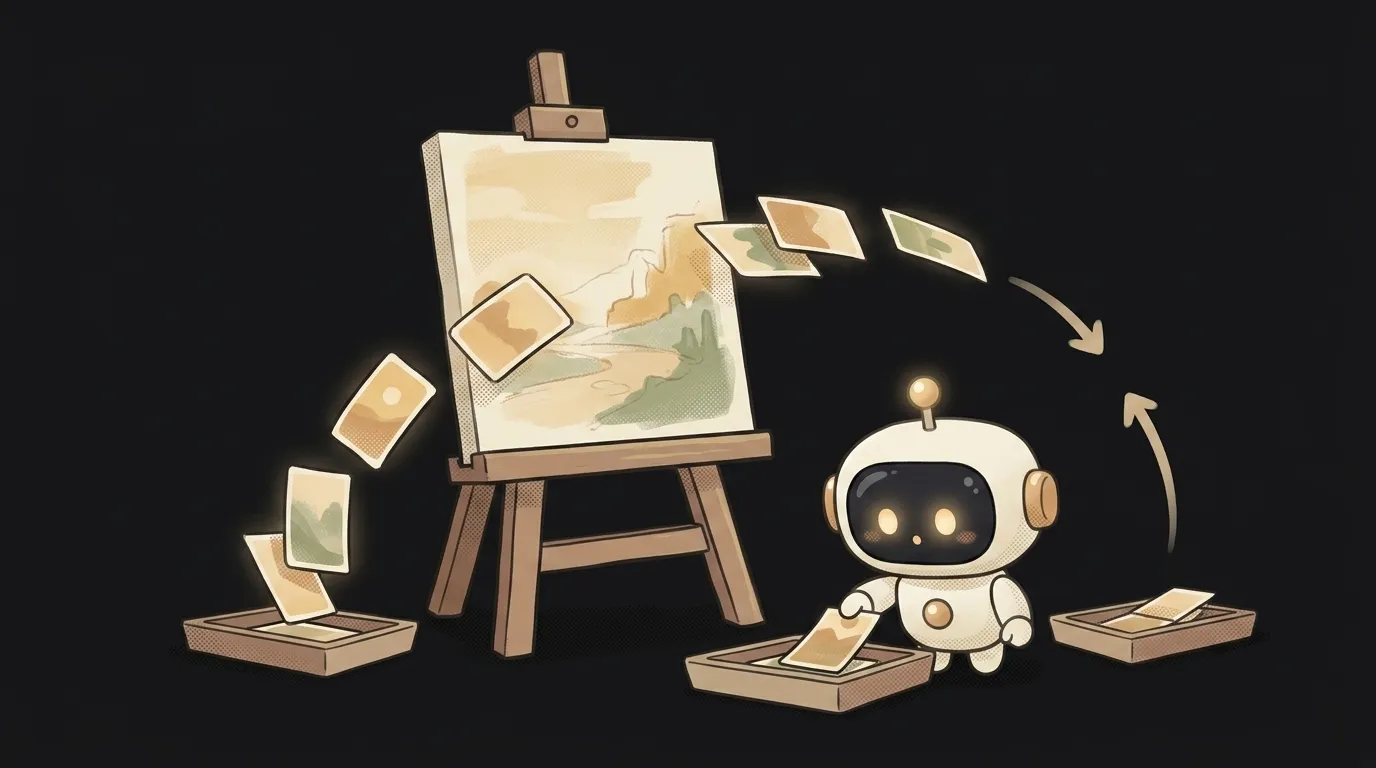
What is a negative prompt — and why "no text" usually doesn't work
A negative prompt is a separate field for what must not appear in the image. Why the word "no" fails inside a normal prompt, and which tools even have that field.
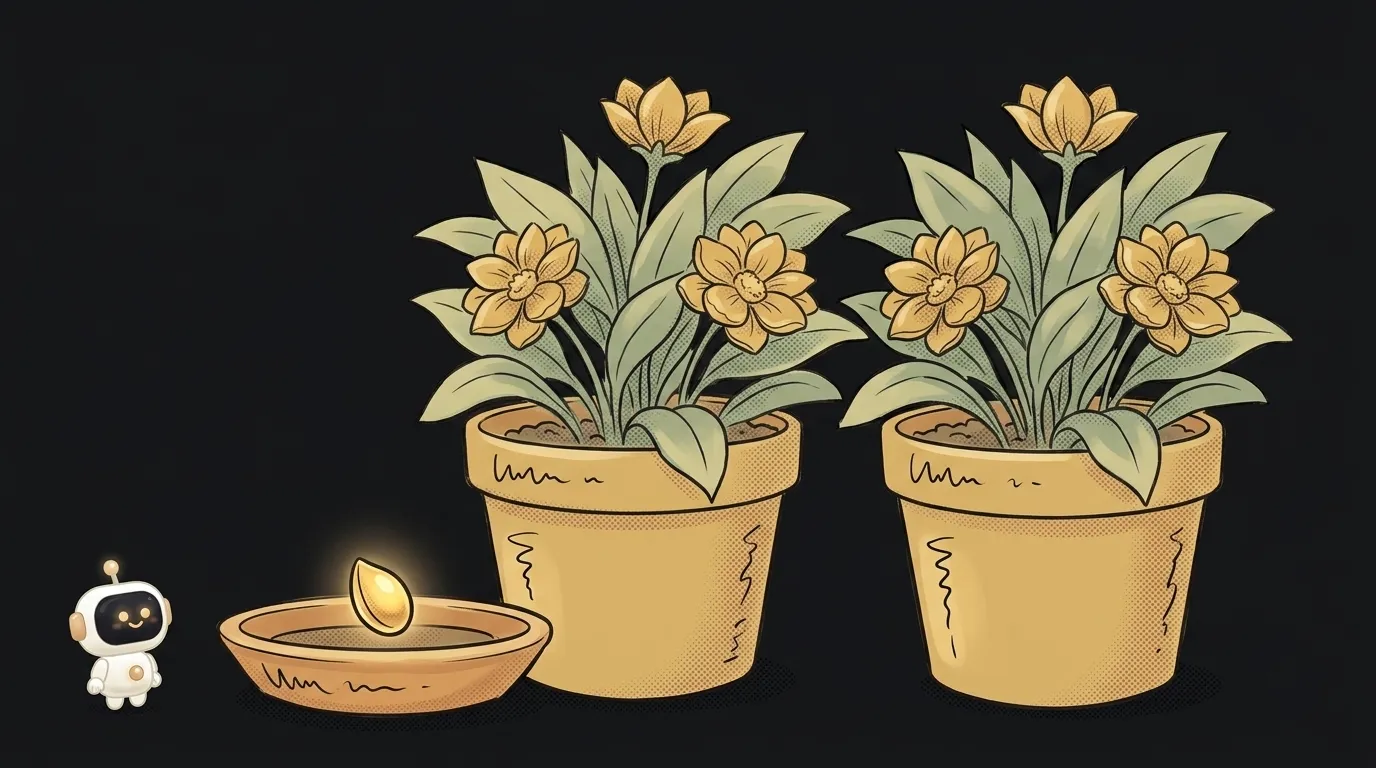
What is a seed in image generation — and how to get that one picture back
What a seed is, in plain words: one number sets the starting noise an image grows from. Lock it down and your prompt edits finally become visible.
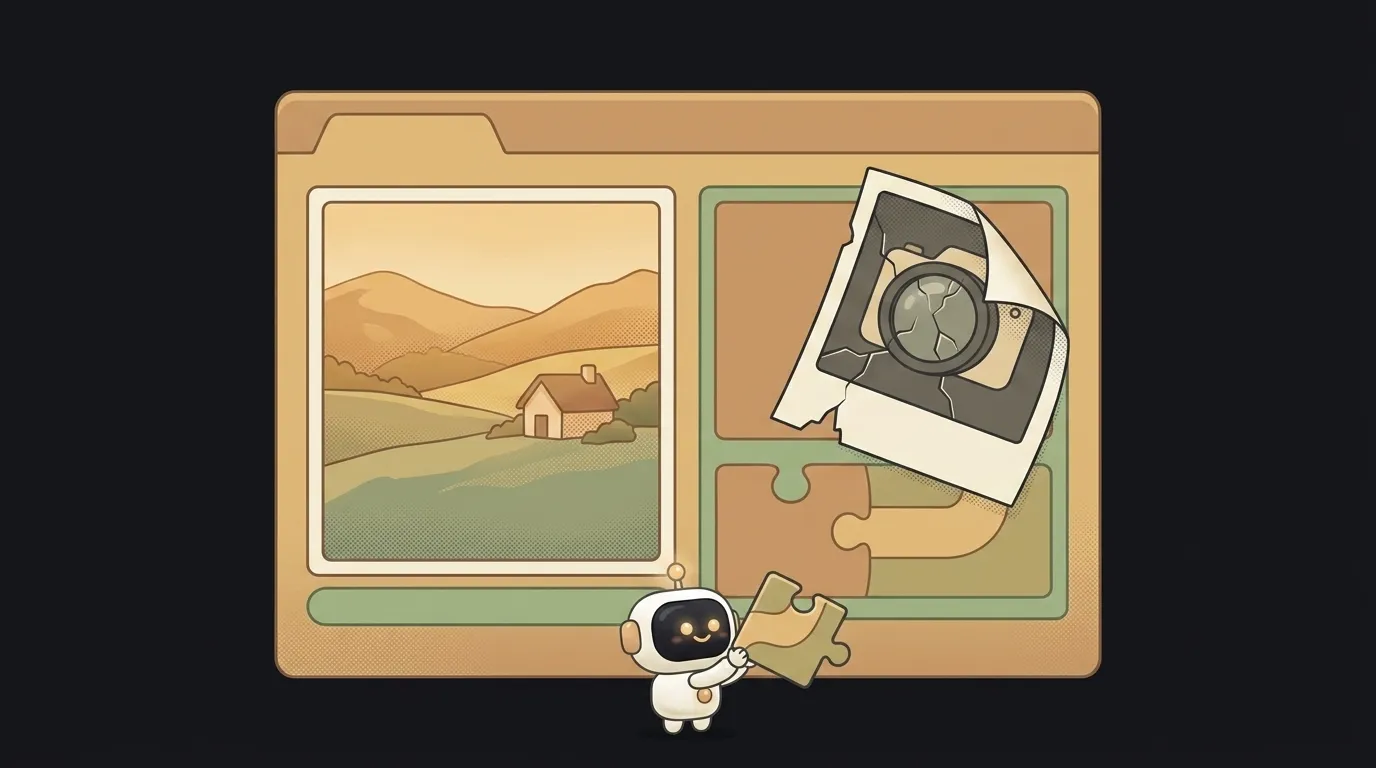
Why images aren't loading on my site — 3 causes, starting with letter case
Images not loading on your site: a broken icon instead of a photo. We break down 3 causes — path and case, files missing from deploy, hotlinks — and fix each.
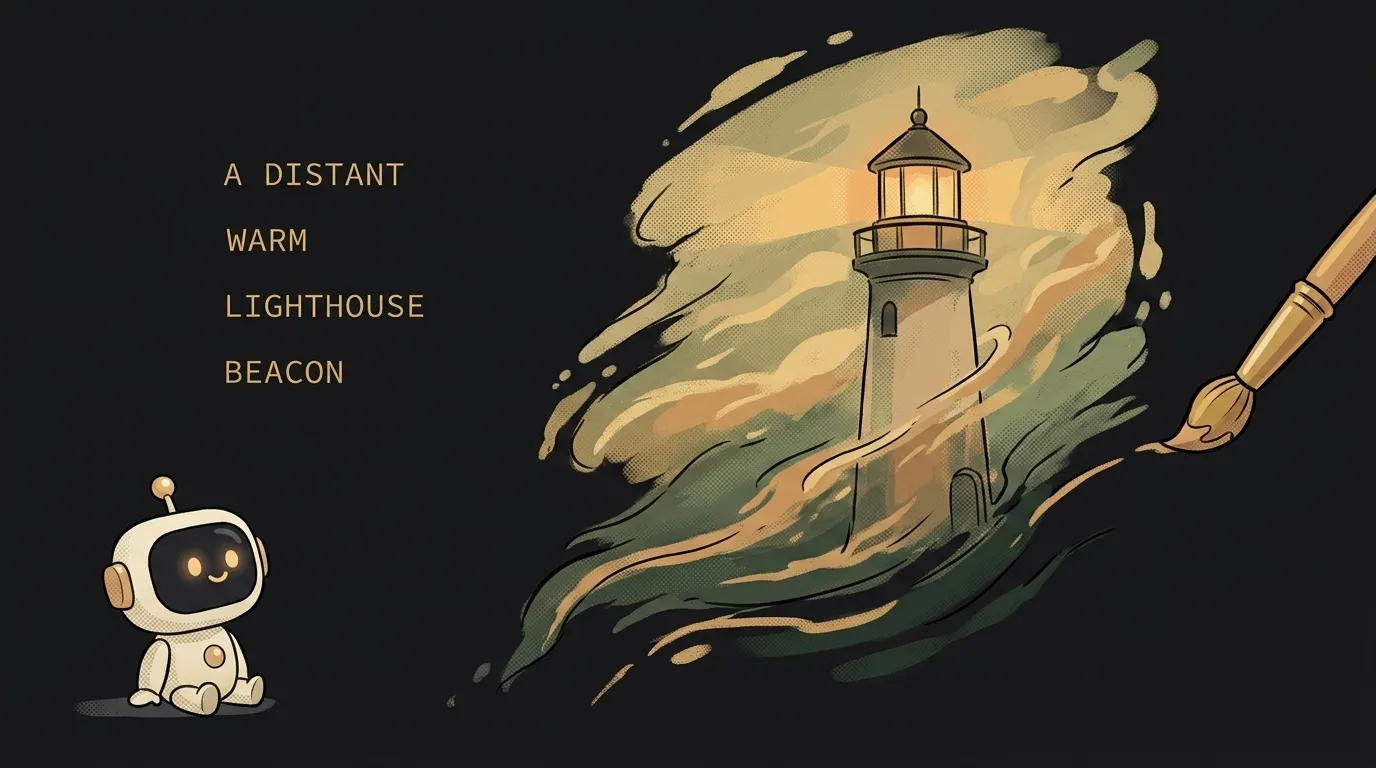
The picture redraws itself while you type
You used to wait for a picture: hit «generate», stare at a spinner. Now it chases your text live — add a word, the image changes instantly. A weekend build.
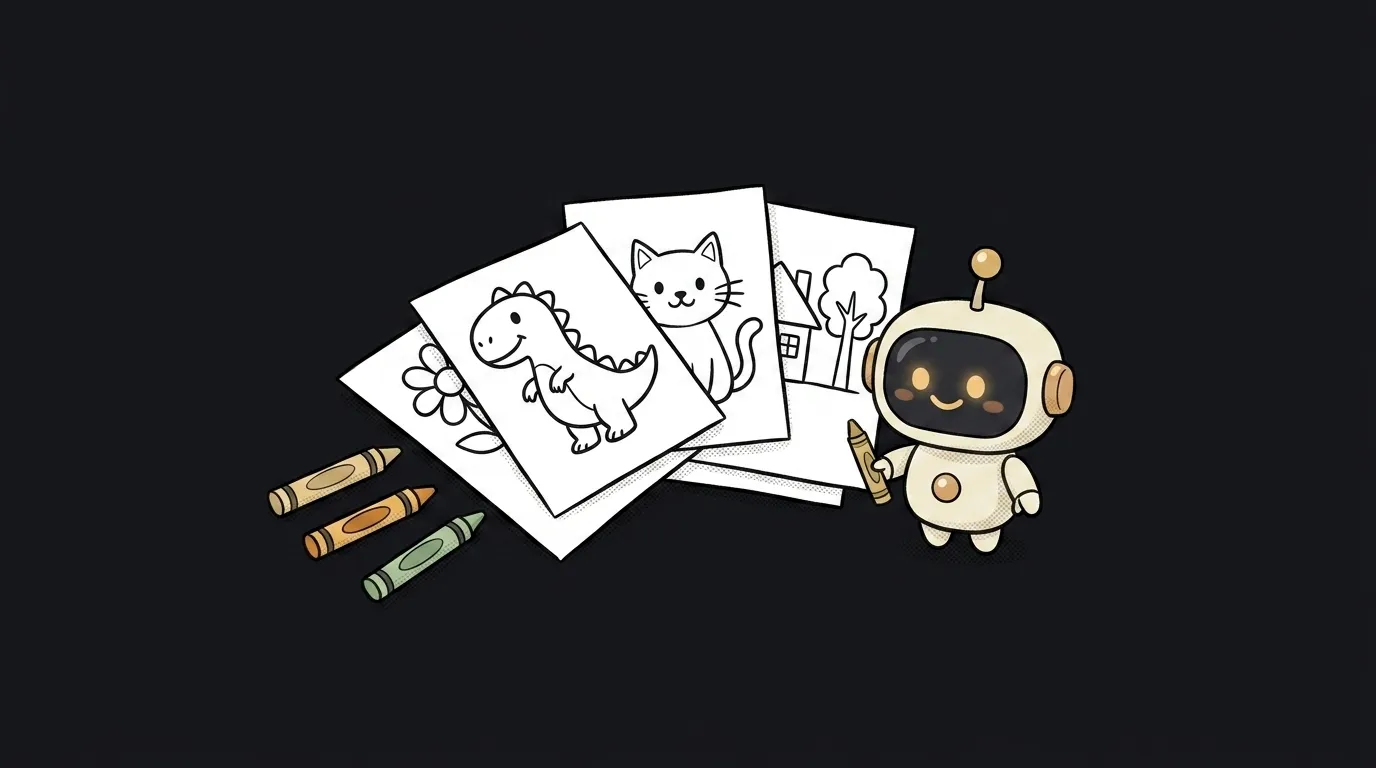
One sentence in, a full eight-page coloring book out — ready to print
A coloring book used to mean drawing every page by hand. Now you type «a space cat firefighter» and a minute later you have eight black-and-white pages to print. In an evening.
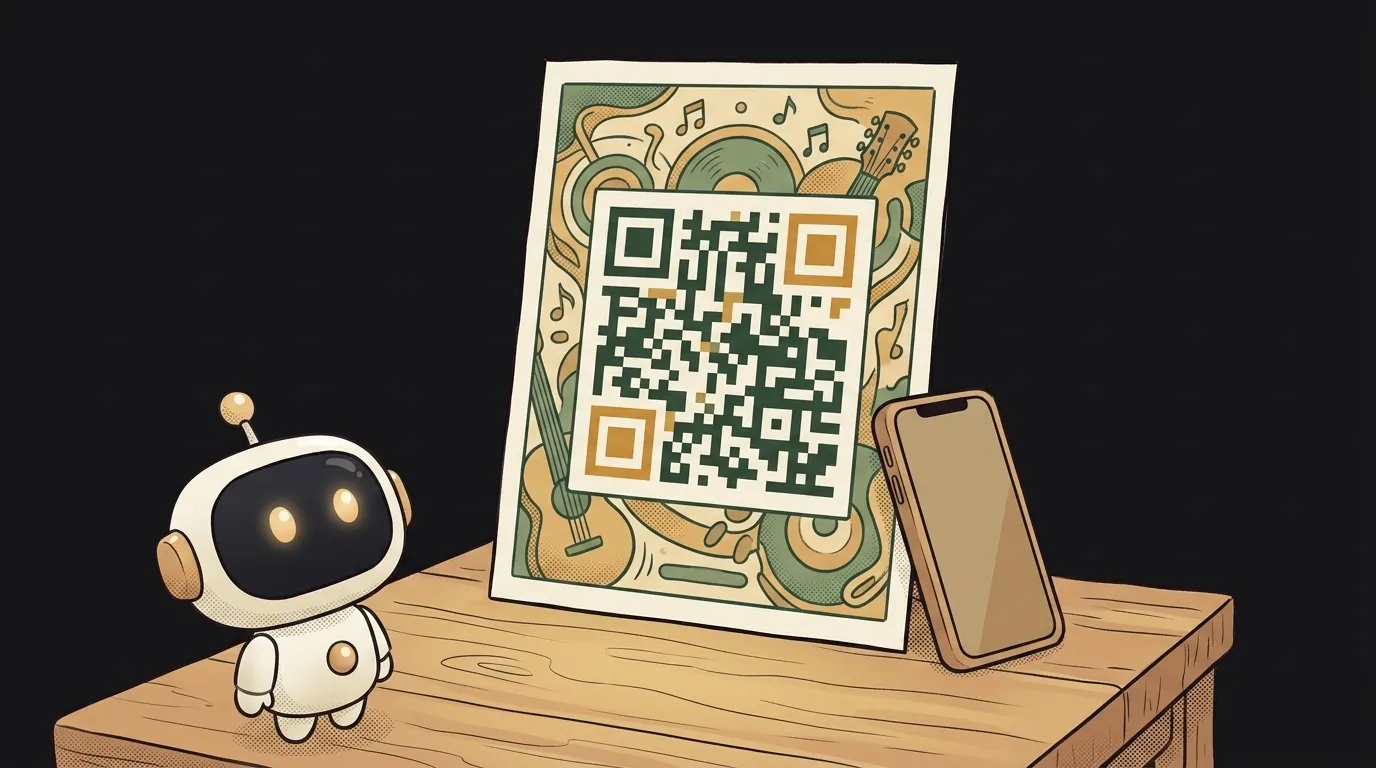
The QR on an AI poster finally scans — instead of just pretending to be a code
AI used to draw a QR-ish pattern — point your camera and it leads nowhere. Now the model writes code and drops a working QR right into the art. With a ready prompt.
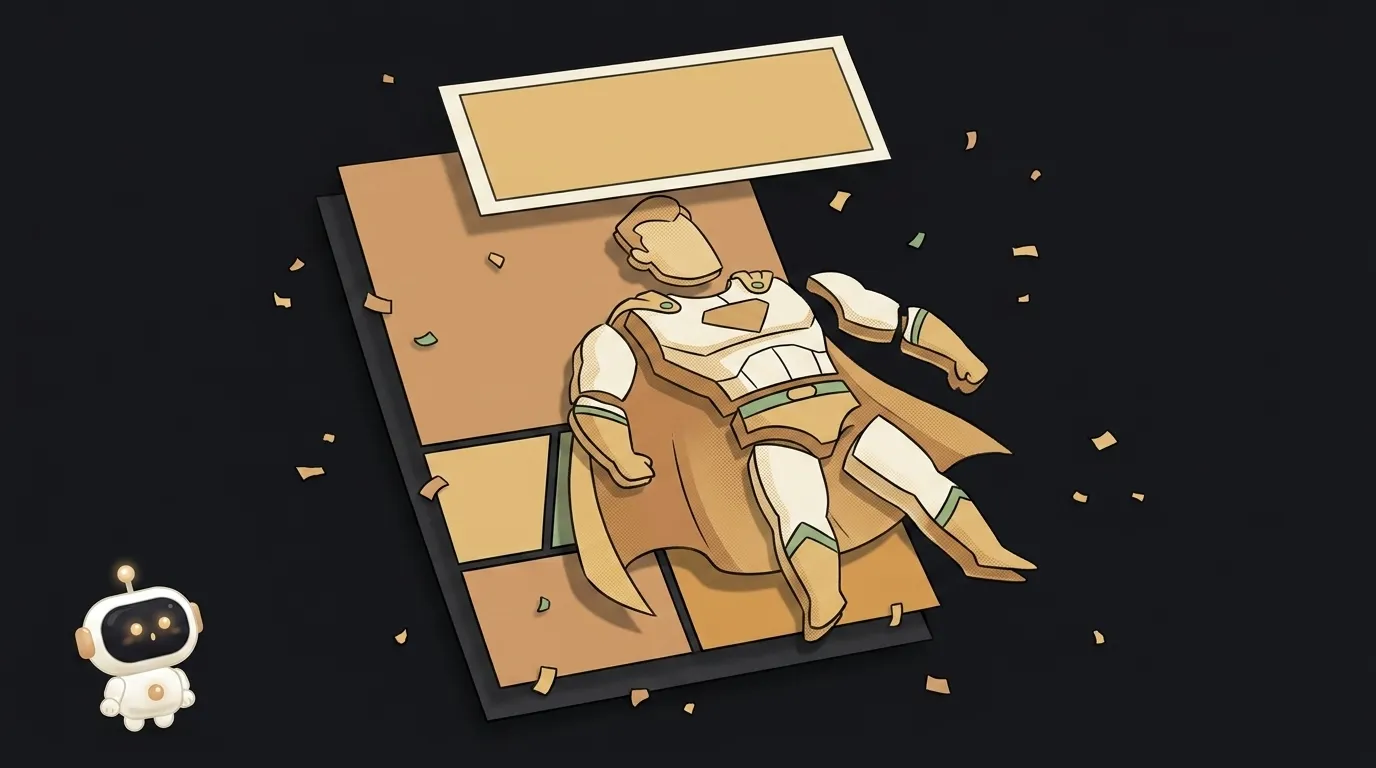
AI images now come in layers — move the headline without redrawing everything
Before, nudging text on a poster meant regenerating the whole picture. Now it arrives as a stack of layers: drag one, the rest stay put. With a ready-made prompt.
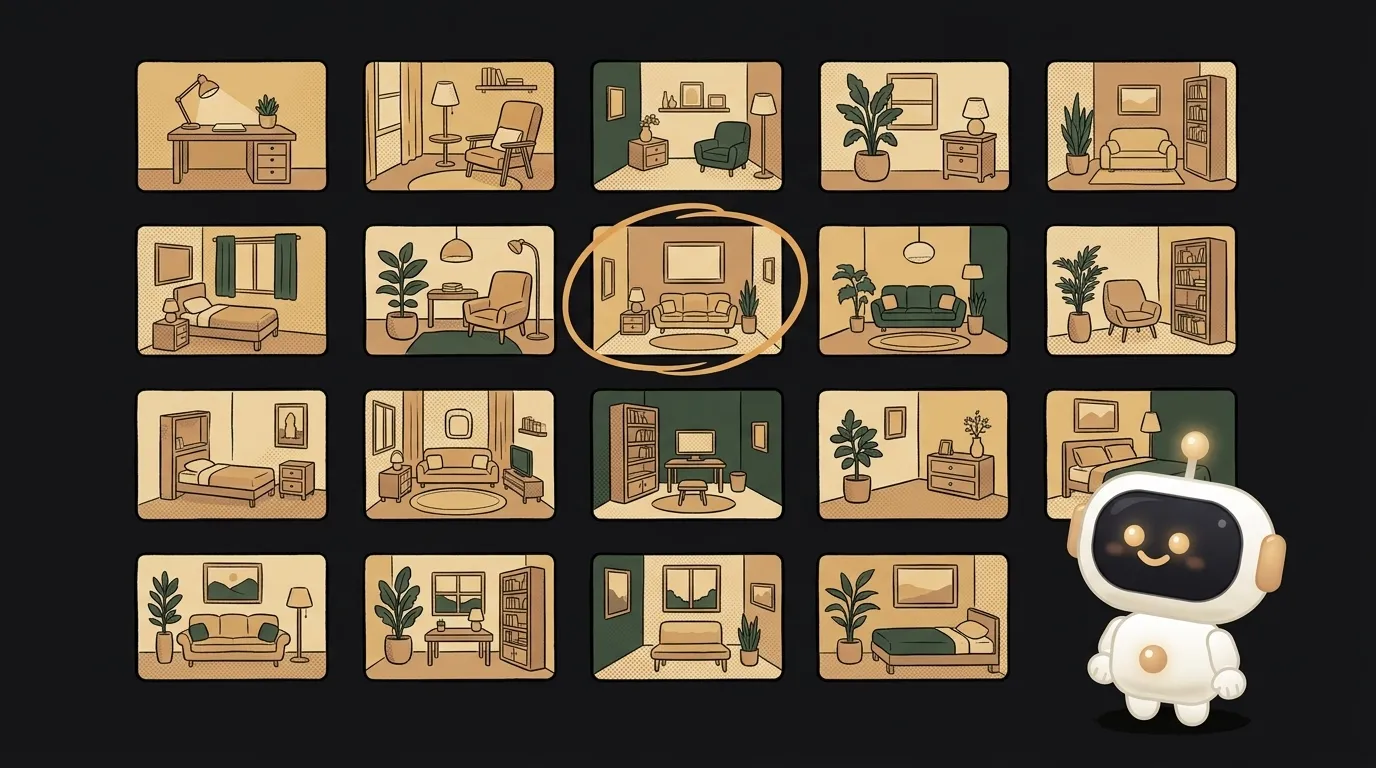
Not one image, but a wall of twenty: an AI frame now renders in 2 seconds
On June 4 Krea released Turbo as open weights — a 2K frame in ~2 seconds on ordinary hardware. It breaks the 'make one, wait, tweak' habit. Now you generate twenty options at once and pick. That's a weekend idea-fitting-room for interiors or looks.
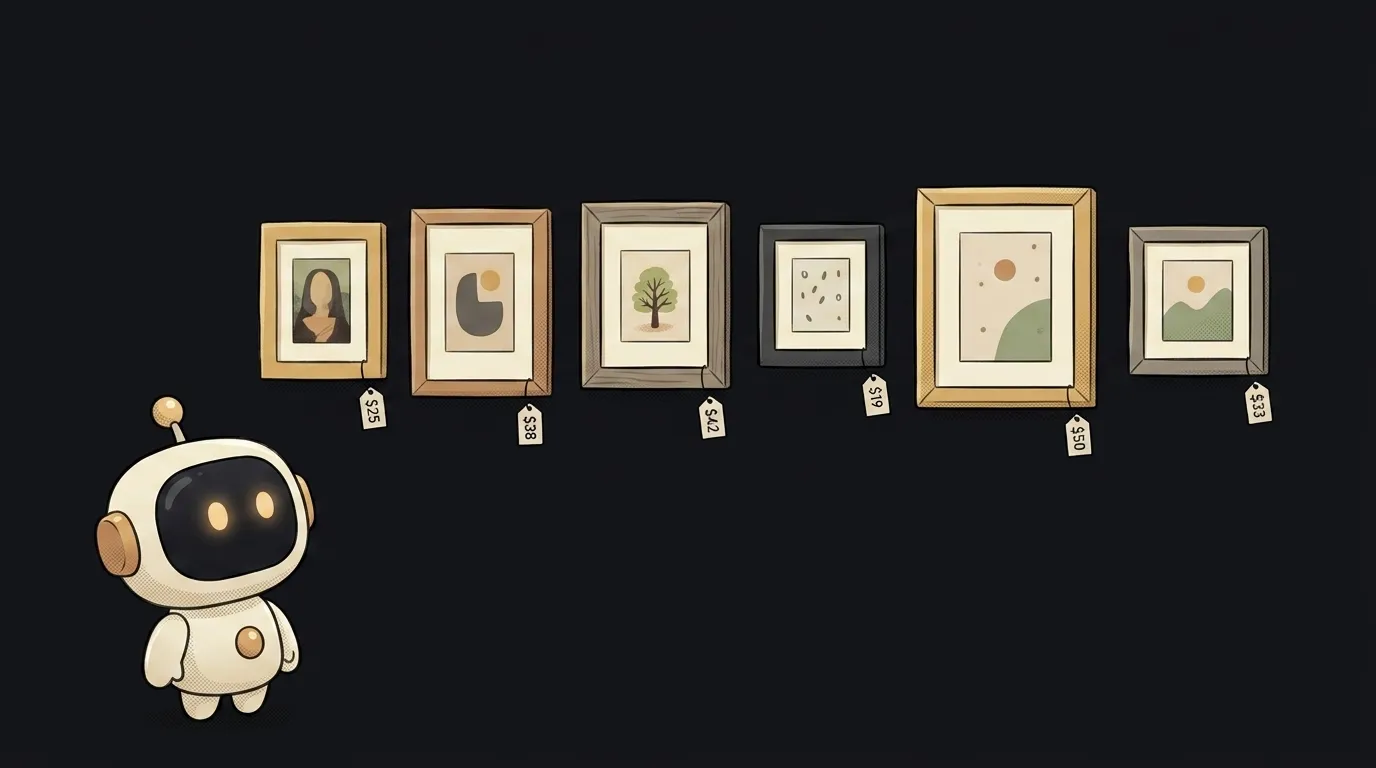
Free AI image generators — 6 that actually work in 2026
Free AI image generators that actually work in 2026: which to pick for text in the image, photorealism, or unlimited use — with each one's honest catch.
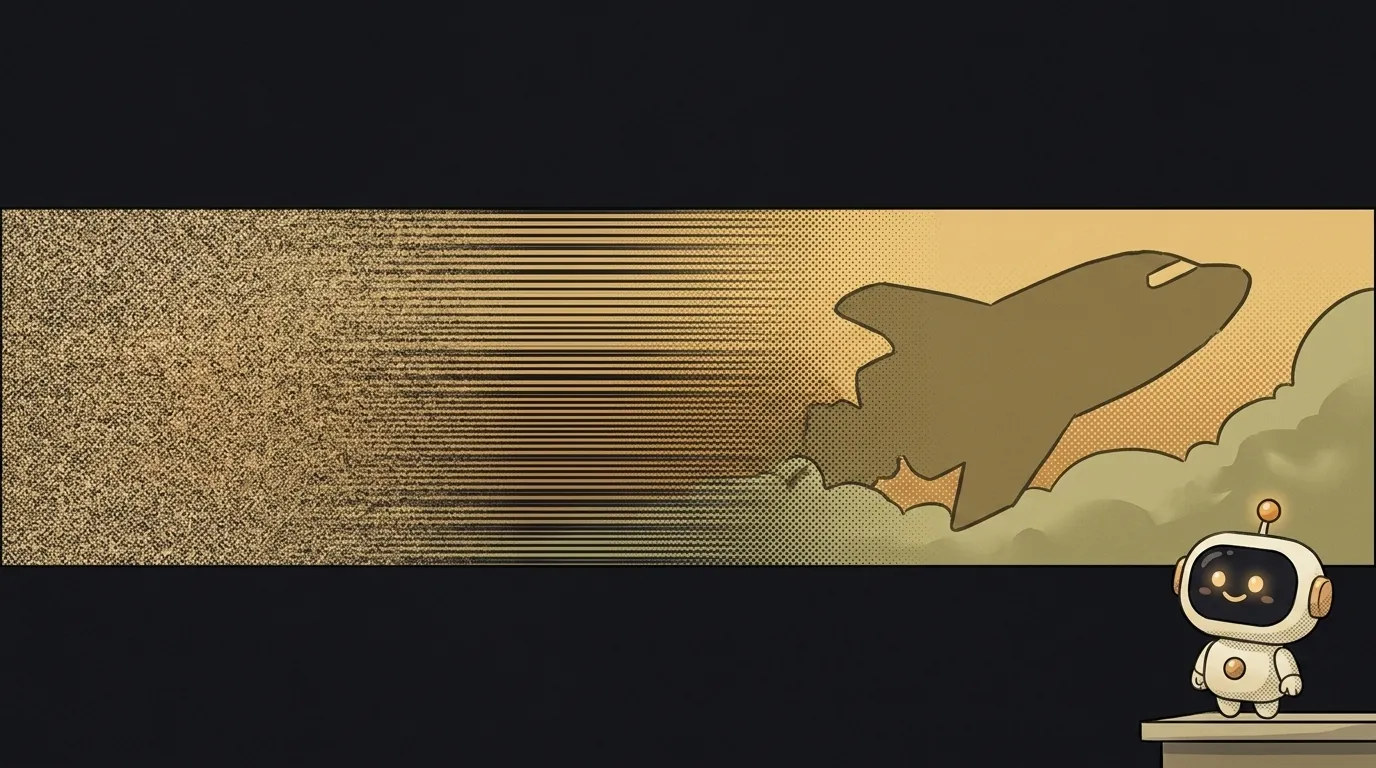
What is a diffusion model — why AI images are born from noise
A diffusion model doesn't paint an image pixel by pixel — it develops it out of pure noise, removing static step by step. Here's how it works, in plain words.
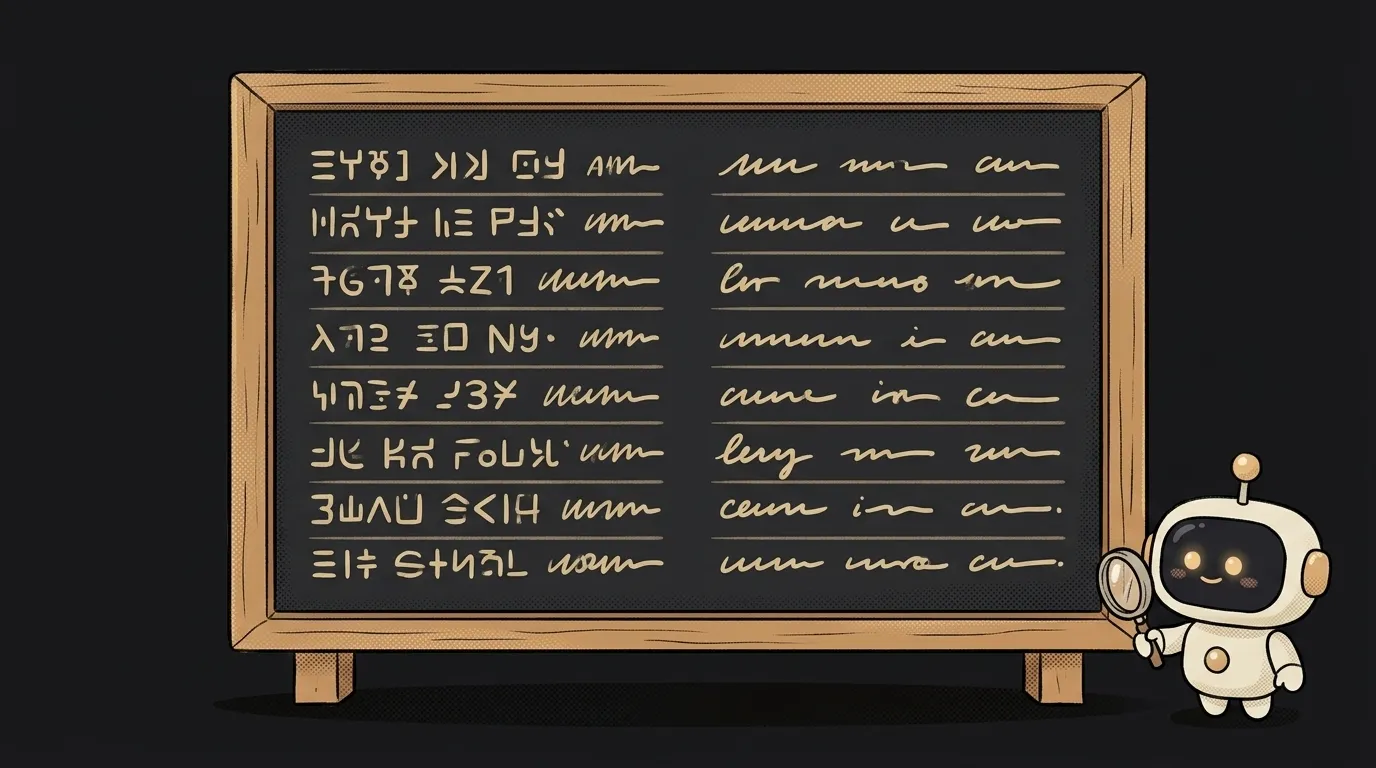
Snap a sign — get the same photo, but in your language
Not a caption under the picture — the same photo, with the words translated and sitting right where they were. This used to be a whole pipeline; now it's one request.
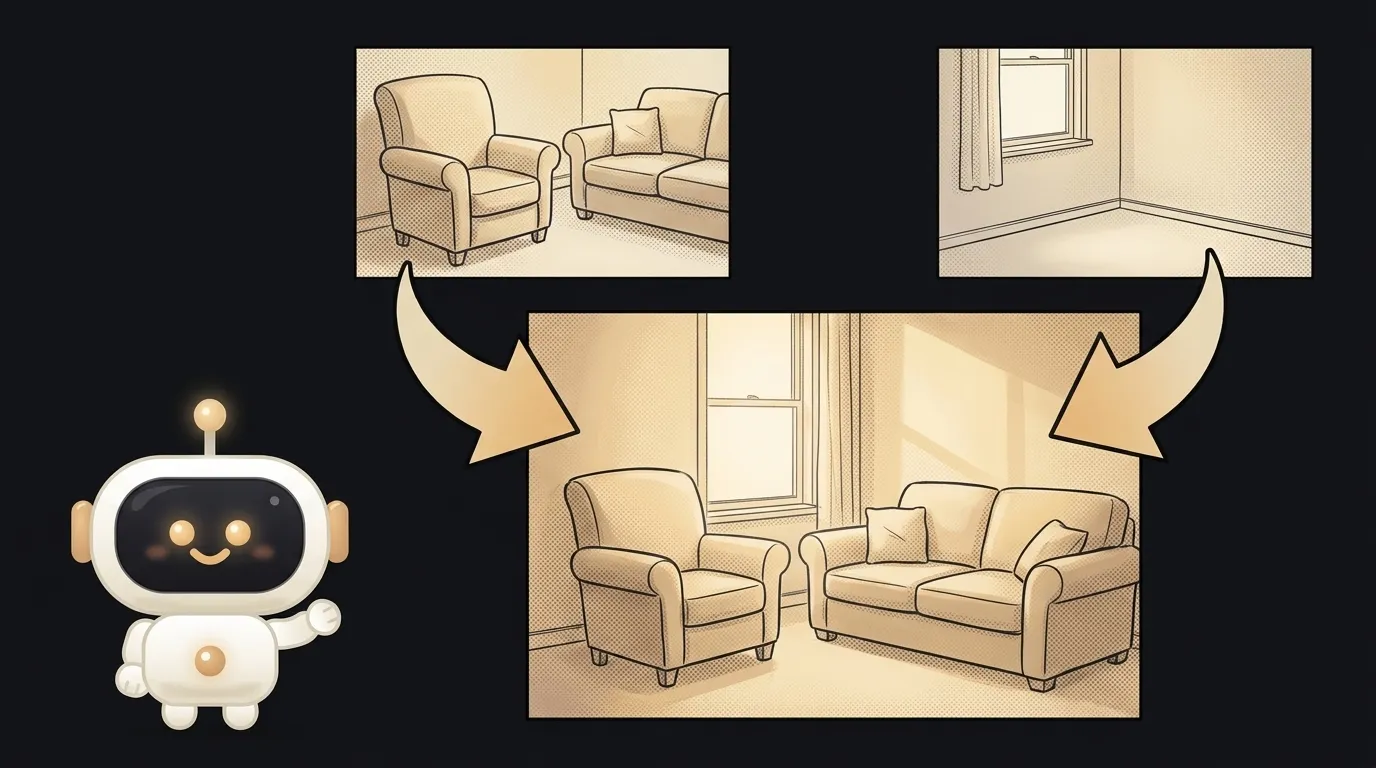
Photograph your room and see the sofa standing in it — before you order
You used to just guess whether it'd fit, or wrestle Photoshop. Now the model fuses two of your photos into one scene — the thing, in your room. A weekend build.
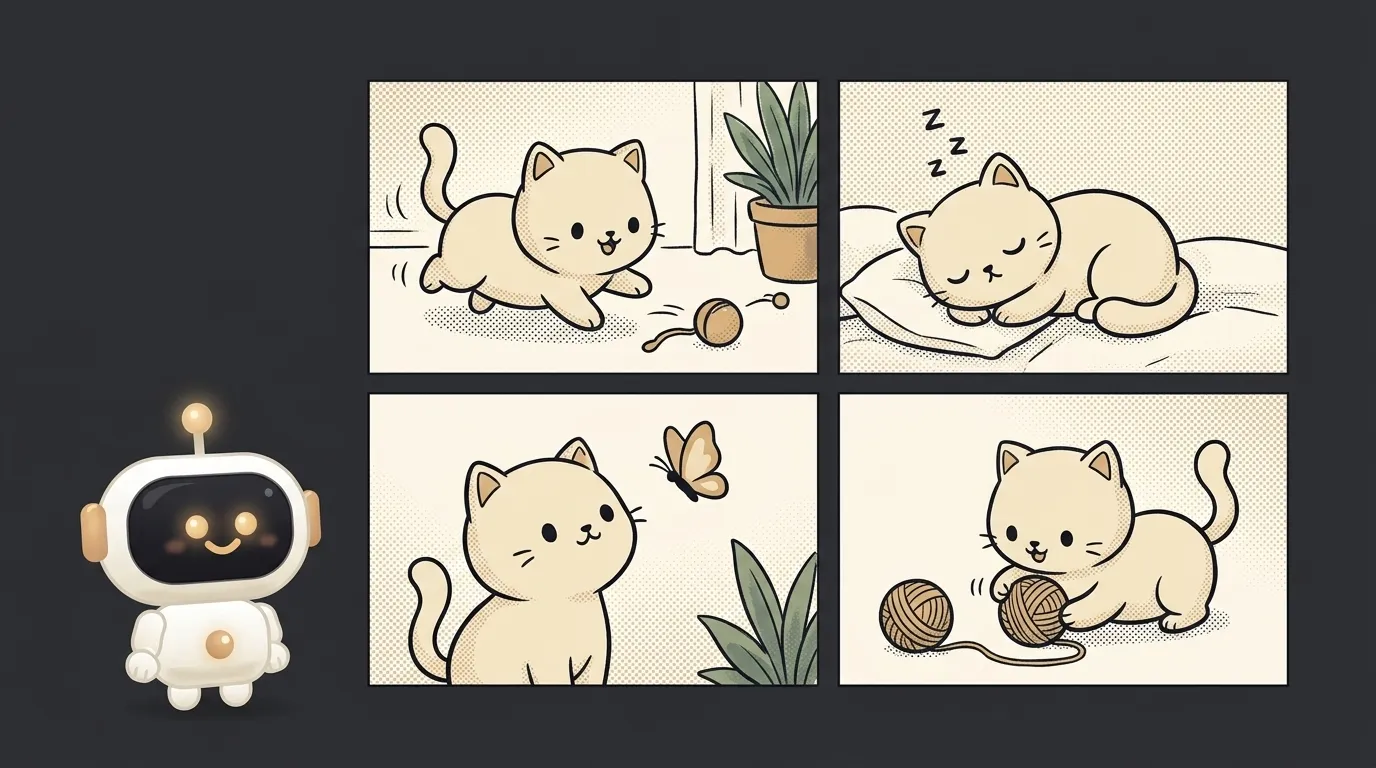
You write a comic, and your hero looks the same in every panel
It used to redraw your hero from scratch in every frame — and the comic fell apart. Now the face holds from panel to panel. A weekend build.

A picture that googles for itself and knows what's happening today
A normal model draws the world as it memorized it during training. The new Seedream searches the web during generation — so the poster comes out with today's facts. That's enough for a weekend project.
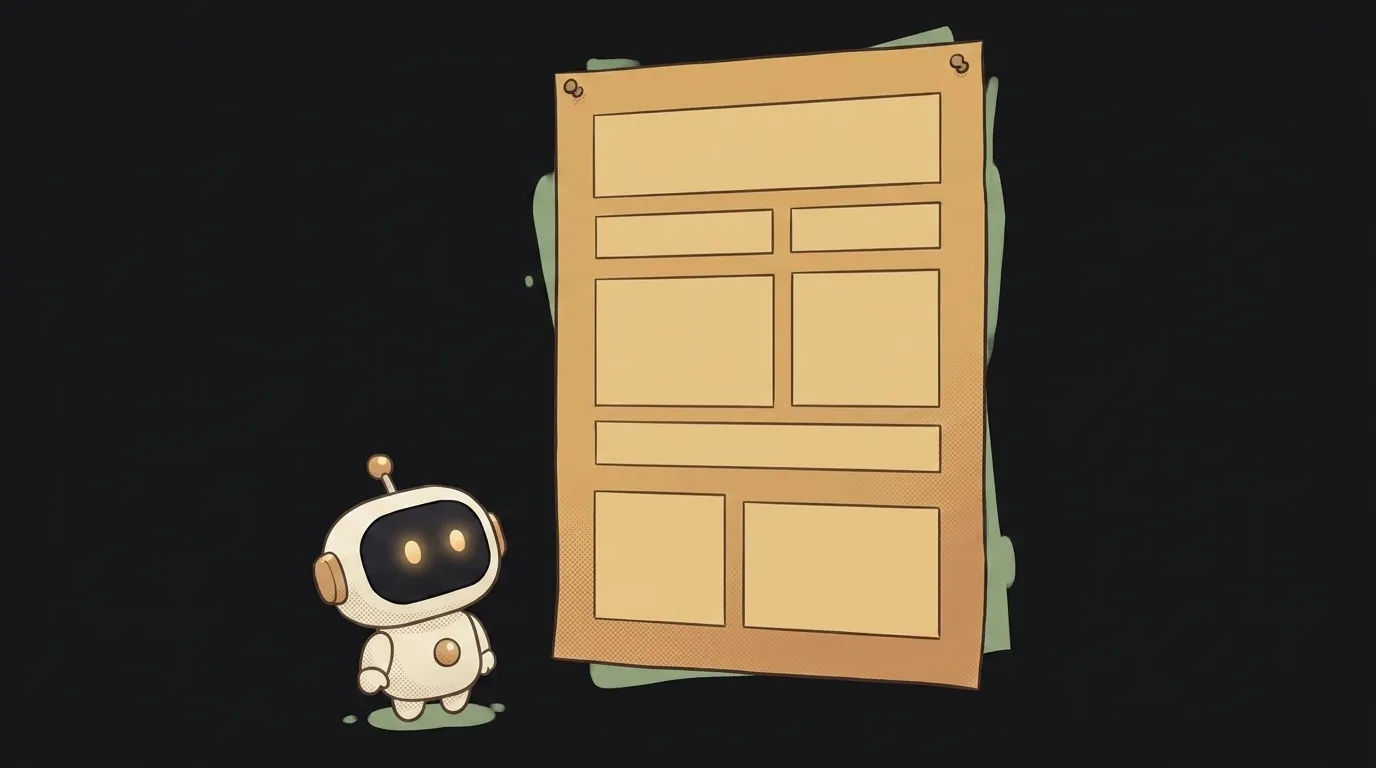
Ask AI for a poster — and the text finally reads, instead of garbled gibberish
Image models used to paint a gorgeous background and drunken letters on top. On June 3 Reve 2.0 shipped — it builds the layout first, then the image, so the text on a flyer, menu or sign actually reads.