#tools

Claude Code or Codex — and why price is the worst way to choose
Claude Code and Codex have near-identical tiers: $20, $100, $200. So price can't decide it. We compare them criterion by criterion and give a straight answer.

Minification or compression — the difference, and why you need both
Minification and compression aren't alternatives but two different stages. What each one does, why they work better together, and which to turn on first.

Word blocklist vs AI moderation — what to filter user content with
Word blocklist vs AI moderation: compared on cost, evasion, languages and false positives — with a straight answer on what to use in your first app.

Accessibility overlay or real fixes — what to choose for your site
An overlay promises accessibility in one line of script. We compare it to fixing the code on five criteria — and hear from the users themselves.

Product analytics vs web analytics — and why GA4 keeps events for two months by default
Web analytics counts pages, product analytics counts people and events. We compare retention, limits and price, and say plainly which one to install.

Best VS Code extensions for beginners: 7 worth installing today
The VS Code marketplace has over 50,000 extensions. Here are seven that genuinely save a beginner time — and the one honest catch in each of them.

What is an LLM router — and why you shouldn't pick one model forever
What an LLM router is: your app picks a model per request instead of once for everything. How that cuts the bill, and why your first router is just an if.

Useful MCP servers: 6 that earn their place in your context
The best MCP servers list isn't the longest one — it's the shortest. Six proven picks, what each one costs you in context, and how to switch them per task.

Railway or Render — where to host a bot and a backend when Vercel doesn't fit
Railway or Render: comparing the billing model, sleeping services and background workers — plus a straight answer on who should pick which.

What is a Batch API — how to pay half price for the same tokens
A Batch API is a mode where the same requests to the same model cost half as much. The only price is waiting. What it is, and when to switch it on.

AI search vs Google — which one to open when
The real difference isn't convenience, it's how they fail: Google honestly finds nothing, AI always finds something. A criteria table and a straight verdict.

Why your AI agent loops forever — and how to stop it
The agent repeats the same step and burns tokens. Three real causes behind it — and how to check and fix each one.

ChatGPT subscription or the API — two different products, and here's which one you need
A ChatGPT subscription and the API are different things: a flat fee for chat vs paying per token. We compare price, limits and access — and pick for you.

npm vs pnpm vs yarn — which package manager to pick as a beginner
npm, pnpm or yarn: all three install the same packages. We break down the difference in speed, disk space and strictness — and who should pick what.

OpenAI API vs OpenRouter — which one to plug into your project
OpenRouter takes its cut on top-ups, not on tokens. Comparing OpenAI API and OpenRouter on price, model choice and reliability — and who should pick which.
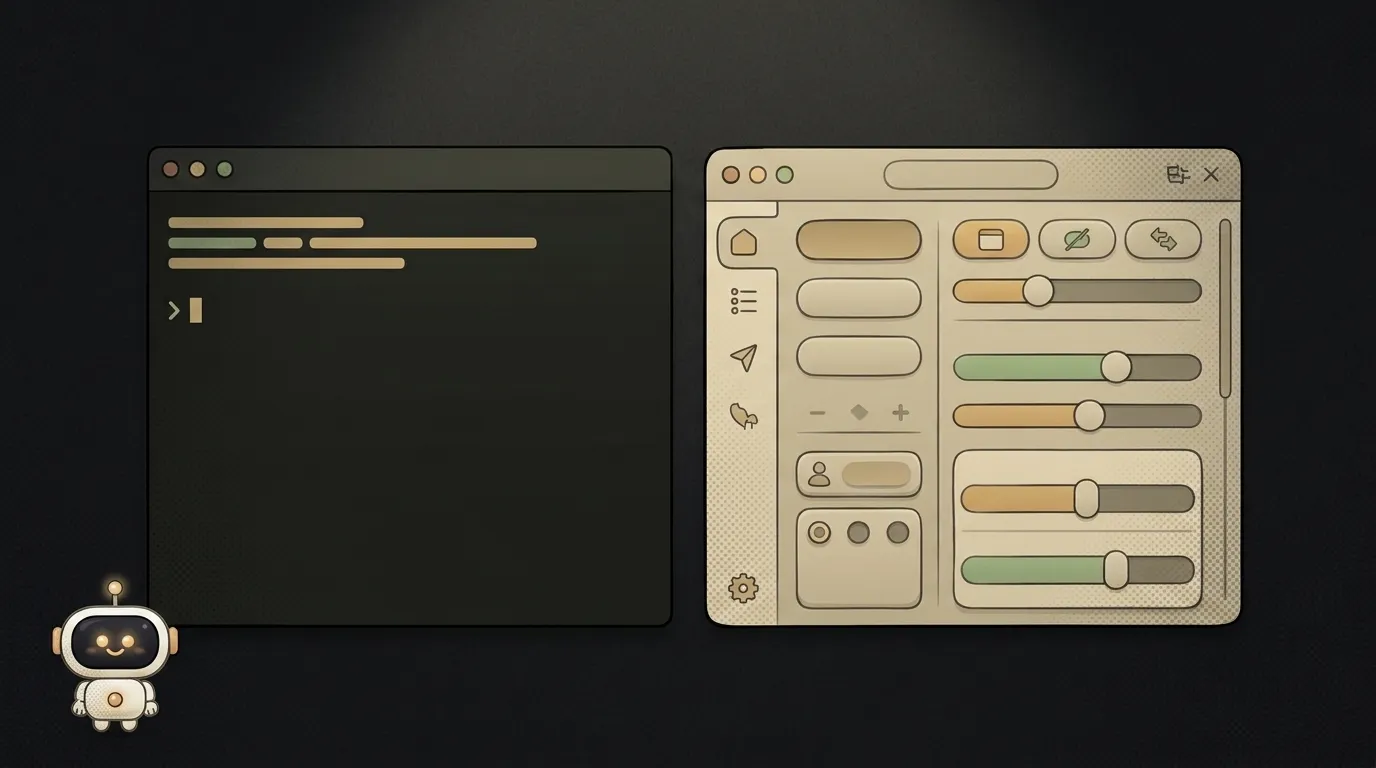
Ollama vs LM Studio — which to pick for running AI locally
Ollama is terminal-first and built for integration, LM Studio is a window with a mouse. Comparing Ollama and LM Studio on cost, interface and use case — and who each is for.
Gemini or Claude — which model to pick for code and beyond (2026)
Gemini or Claude? A practical comparison: code and agents, multimodal, price, long context — and a straight verdict on which to pick. No 'who's smarter' fight.

API vs SDK — the difference and which to pick as a beginner
API and SDK aren't two options — they're a staircase and an elevator. An SDK wraps the same API. Here's the difference in a table and a straight verdict.

Gemini vs ChatGPT — which one should a beginner pick in 2026
Gemini or ChatGPT? A practical comparison: free tier, images and voice, long context, ecosystem — plus a blunt verdict on who should pick which.
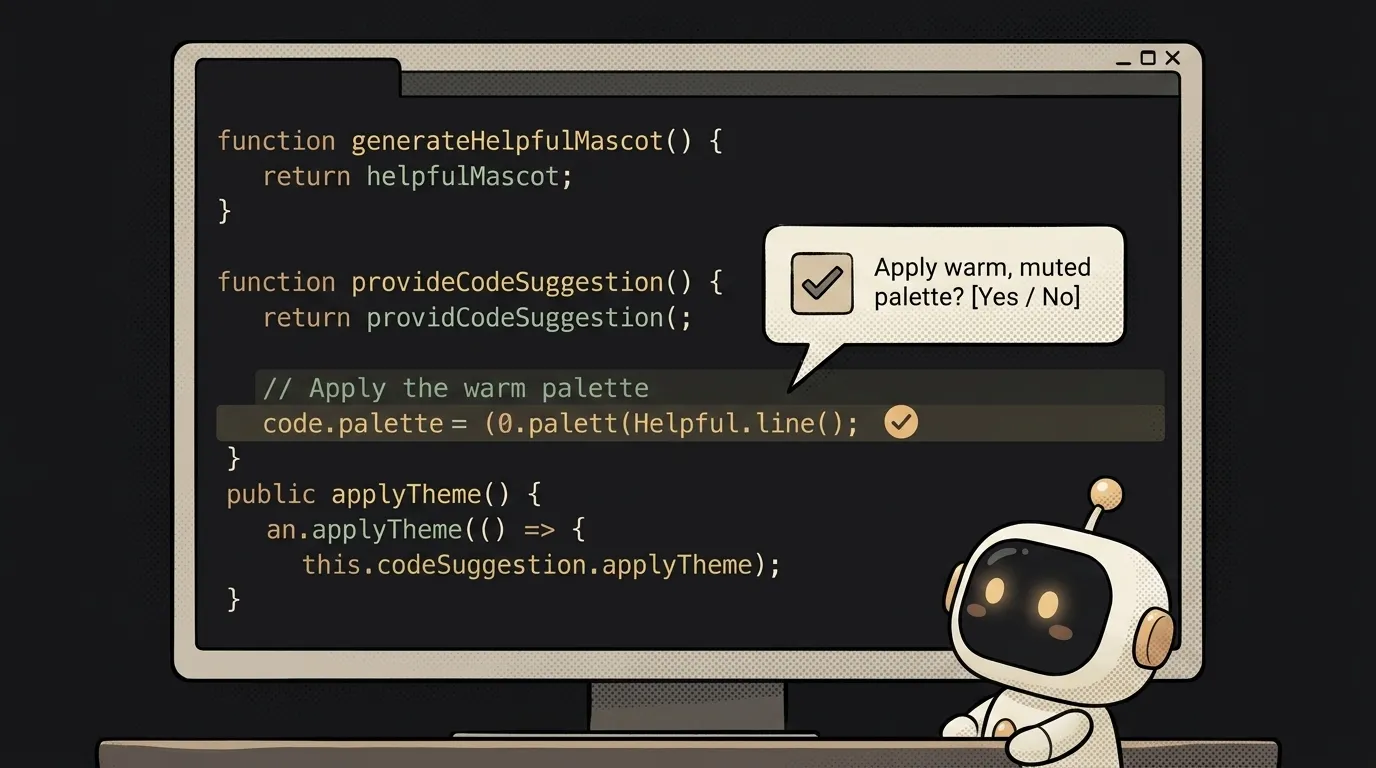
What Is an IDE — and Why It Beats a Plain Text Editor for Code
An IDE is a development environment: a code editor plus tools that understand your code. Here's what an IDE is, how it differs from a notepad, and why you need one.

GPT vs Claude — which model to choose in 2026
The 'GPT vs Claude' debate isn't settled by benchmarks but by your task. We compare what matters: code, long text, images, price — and who fits which.

Free AI image generators — 6 that actually work in 2026
Free AI image generators that actually work in 2026: which to pick for text in the image, photorealism, or unlimited use — with each one's honest catch.

My API key isn't working — a 3-cause checklist that catches everyone
API key not working and throwing 401? Here are the 3 main causes — a typo, the wrong header, a problem with the key itself — and how to fix each fast.

AI design tools for non-designers — 7 that actually save you
Building an app solo and design is your weak spot? Here are 7 AI tools that cover UI, icons, color, and images — each for its own job, no designer required.

What is tool use — how an AI agent presses real buttons
A model does nothing on its own — it only writes text. Tool use turns that text into real actions. Here's how it actually works.
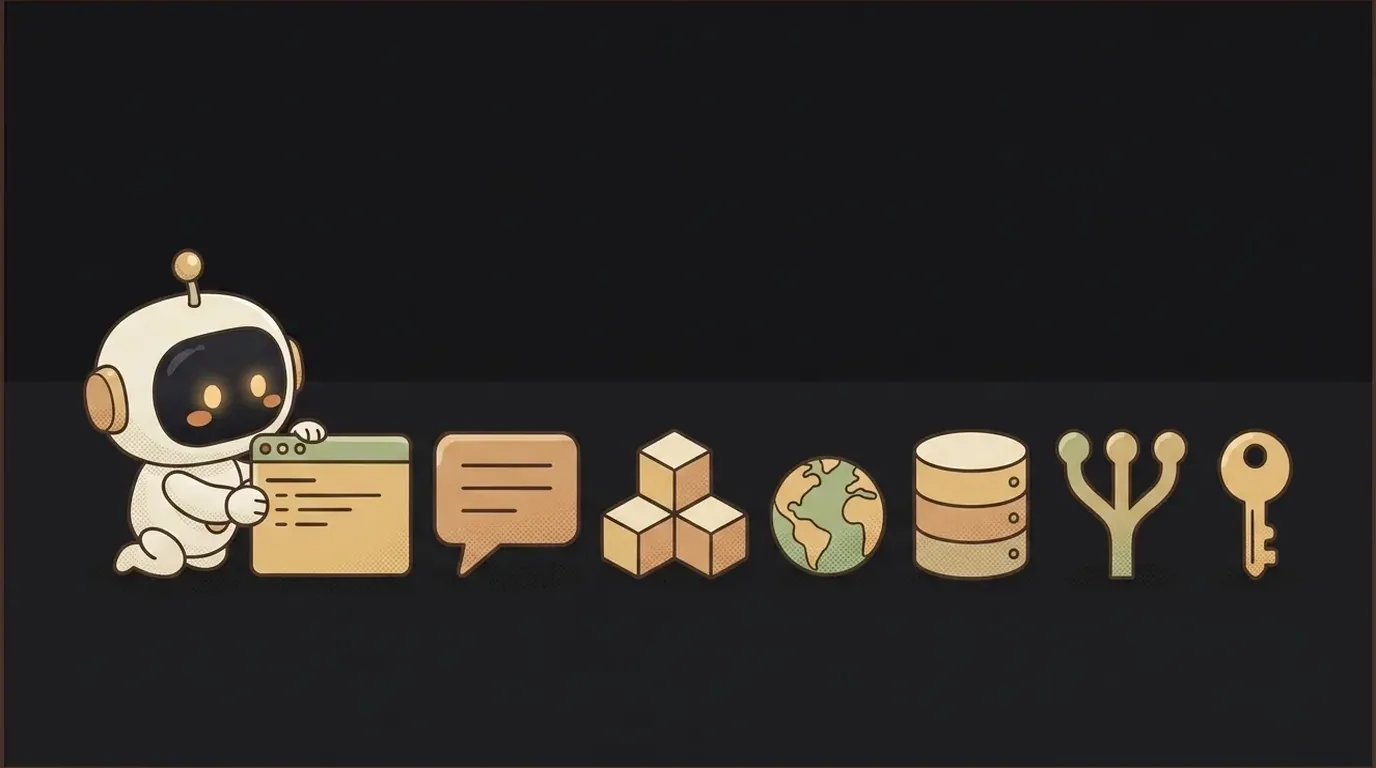
AI tools every vibe-coder needs — 7 of them and what each is for
Not 50 trendy services — the 7 pillars a beginner actually needs: where to write, what to think with, where to ship. What to grab, when, and the catch.

Free AI tools: build your first project without paying a cent
It feels like you need a subscription to start. You don't — everything you need has a free tier, enough to build your first project and show it to people.
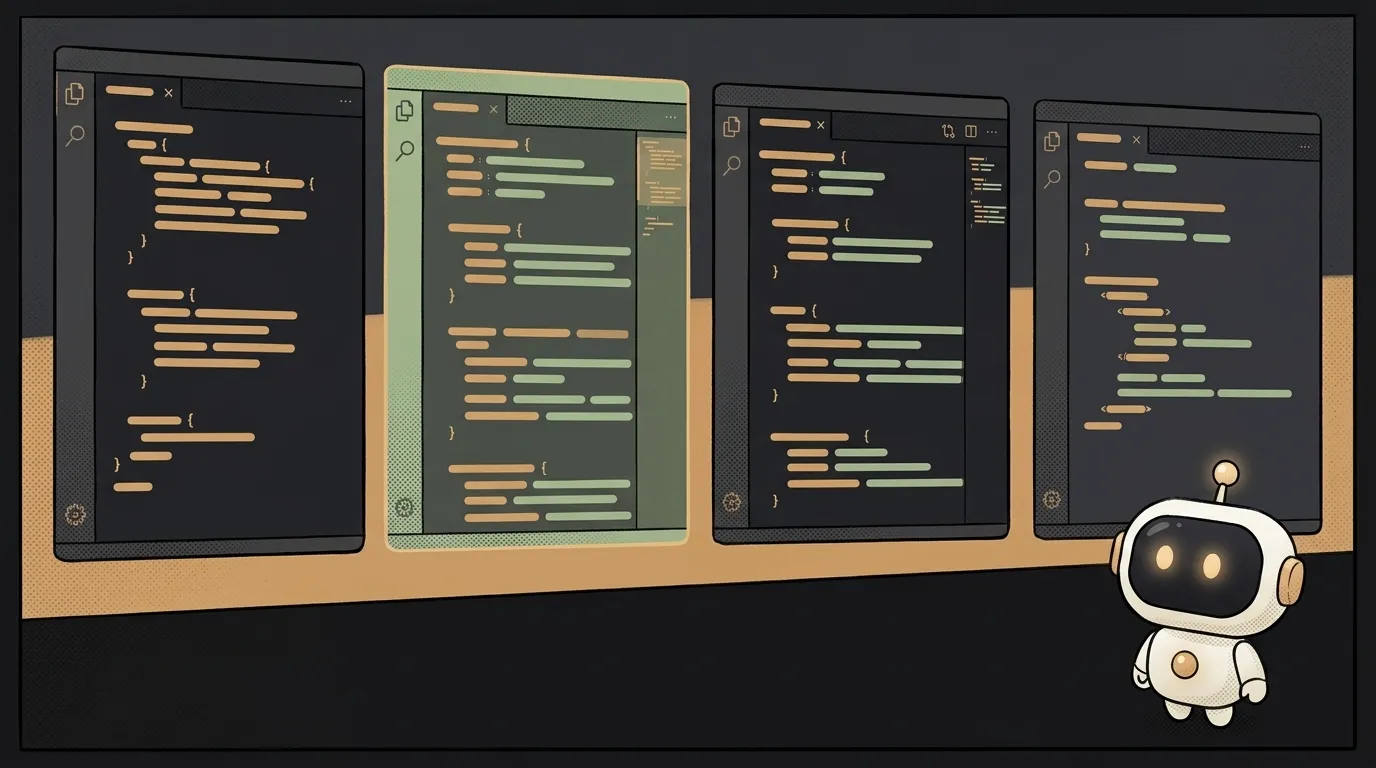
Cursor, Copilot, Windsurf — which AI editor should a beginner pick
Spoiler: there's no "best." There are three different ways of working — and the right one matches your temperament, not some review's top spot.

One prompt, a whole app: five agents on one task — and the best didn't win
We gave five agents one brief — build a habit tracker. The winner wasn't the fastest or the smartest, but the one that asked a question first.
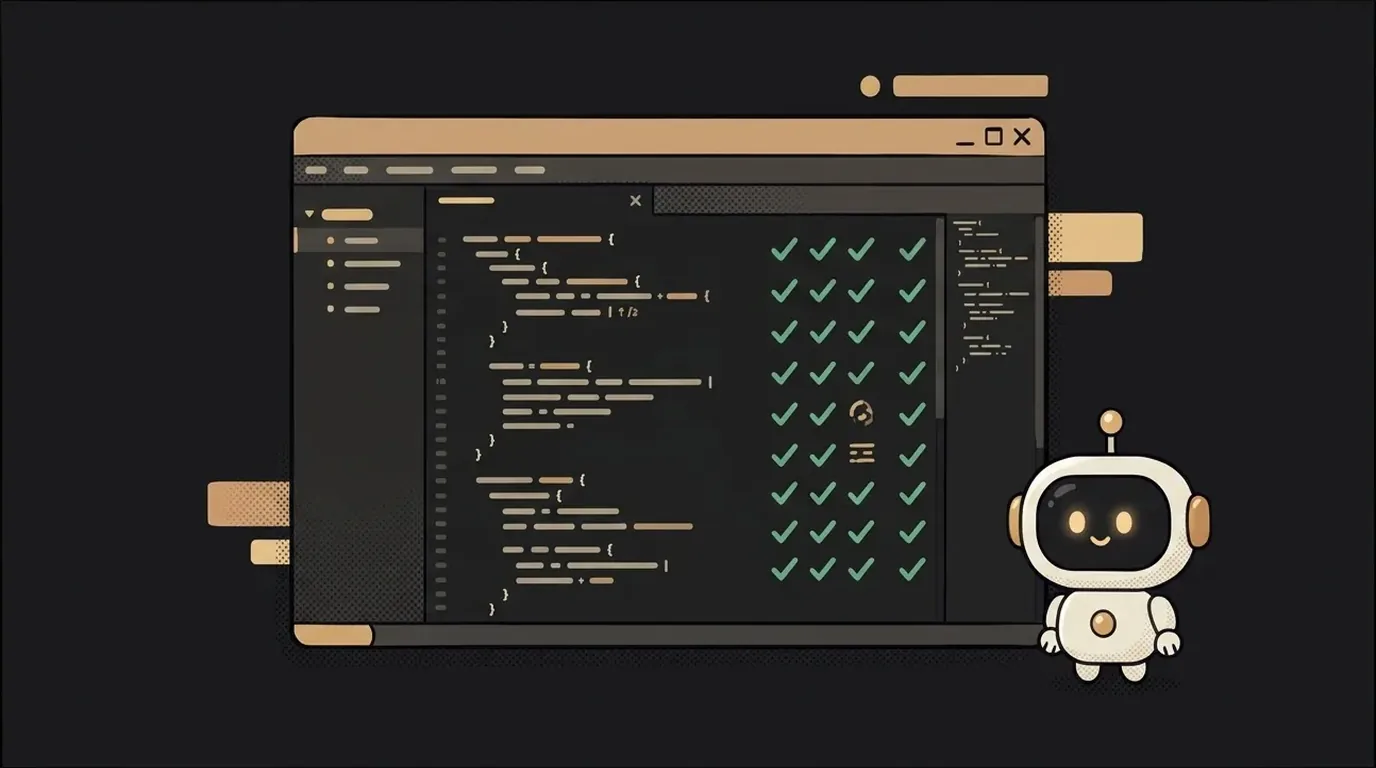
The editor that writes tests for your code
An update turns autocomplete into a full reviewer — it reads your function and proposes the cases you forgot.
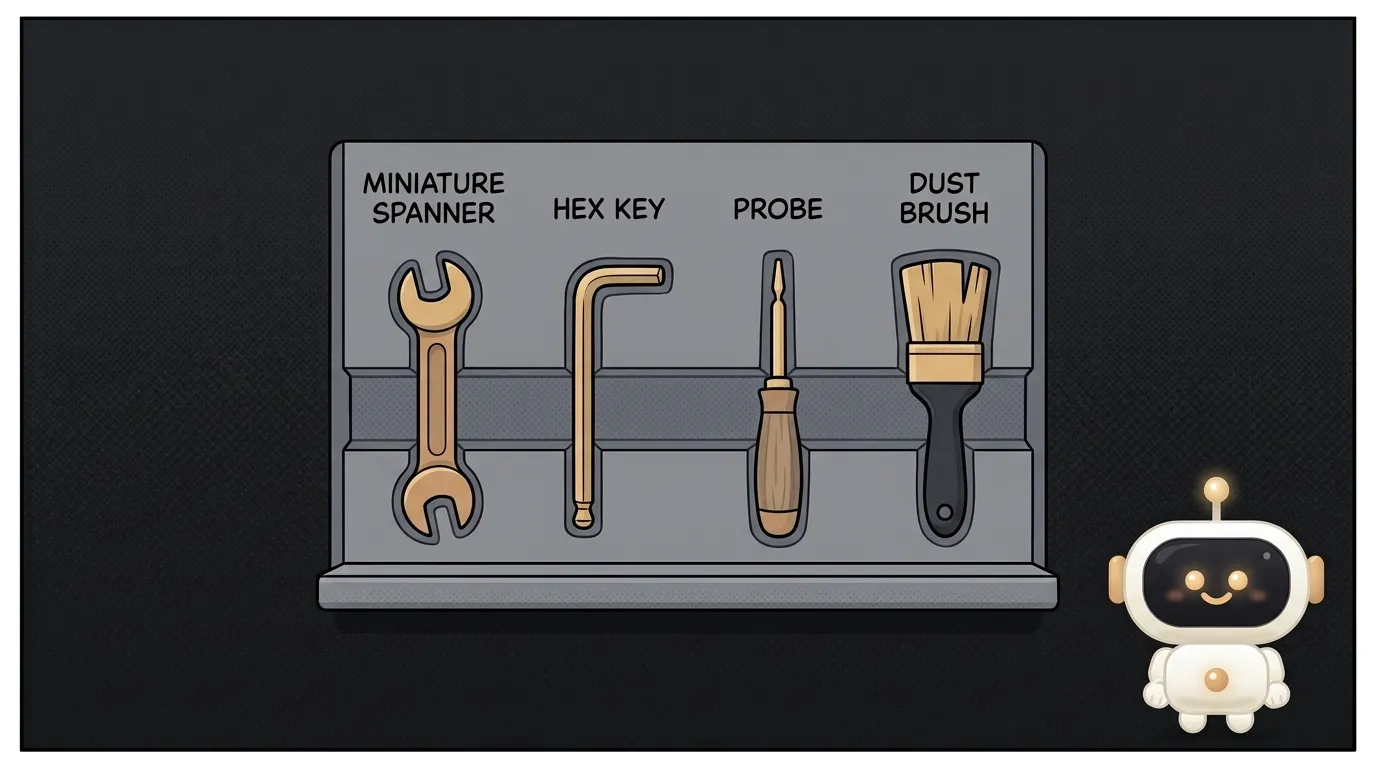
The Vibe Coder's Stack: The Tools You Actually Need in 2026
You do not need forty tools. You need one for each job: build, store, deploy, and watch. Here is the honest minimal stack for shipping a product solo.