#basics

What is sudo — and why it asks for your password, not the admin's
What is sudo, in plain words: how it works, whose password it asks for, why sudo npm and sudo pip break your project, and when you really need it.

What is a tar.gz file — and why a tar archive can be bigger than the files
What a tar.gz (tarball) is, in plain words: tar vs gzip, how to extract it with tar -xf, and how to peek inside first so files don't spill everywhere.

What is a command-line flag — and why git commit -ma breaks but -am works
What command-line flags (-r, --force) are: reading glued -rf, what the double dash -- does, why -v means different things, and when order matters.

scp or rsync — and why rsync sent 141 bytes instead of two megabytes the second time
scp vs rsync: how these commands for copying files to a server differ, which to pick for one file vs a folder deploy, and the rsync trailing-slash trap.

What is stdin — and why a loop over a server list only handles the first one
What stdin (standard input) is, in plain words: where a program reads data from, why CI and AI agents hang on a question, and how to fix it.

What is a shebang — and why a script from Windows fails with python3\r
What a shebang (#!) at the top of a script is, in plain words: who reads that line, why /usr/bin/env exists, and where the mysterious python3\r comes from.

What is a process PID — and why kill on an old number can kill someone else's program
What a PID (process ID) is, in plain words: how to find it, what kill does with it, why PID 1 is special, and why a number saved to a file is risky.

.bashrc or .bash_profile — and why your commands vanished after you created .bash_profile
.bashrc or .bash_profile: the difference, which file the terminal, SSH and Mac read, where PATH and aliases go, and why a new .bash_profile breaks .profile.

What is umask — and why 666 minus 033 isn't 633
What umask is in Linux, in plain words: why a new file gets 644 instead of 666, why a script is born unable to run, and how to lock down secrets from the start.

What is a mount point — and where files go when nobody deleted them
What a mount point is in Linux, in plain words: why there's no D: drive, where files in a folder disappear to, and why Docker loses your node_modules.

What is a daemon in Linux — and why your bot dies when you close your laptop
What a daemon is in Linux, in plain words: why a program dies along with SSH, where the d in sshd comes from, and how to turn a bot into a systemd service.
Single or double quotes in the terminal — and where your $5 went
Single vs double quotes in bash and zsh: how they differ, why echo eats $5 and exclamation marks, and which quotes to use for JSON, git and curl.

What is xargs — and why rm can't hear your pipe
What is xargs in plain words: why you need it, why echo file | rm does nothing, how to avoid tripping on spaces and quotes, and what xargs -0 does.

What is swap memory — and why your build dies with the word Killed
What is swap memory in plain words: where memory goes, why a build on a cheap server fails with Killed, and how to add swap in five commands.

What is a dotfile — and why they were hidden by accident
What is a dotfile in plain words: why files like .env and .gitignore start with a dot, how to see them, and why cp with an asterisk loses them.

curl vs wget — the difference, and why curl saved an empty file
curl vs wget, which to pick: the difference in plain words. Why curl prints a file to the terminal, gets lost on redirects, and when wget is easier.

What is a TTY — and why a program goes silent when output goes to a file
What a TTY in the terminal is, in plain words: why colors vanish in a pipe, Python stays silent until the end, and why you get a not-a-TTY error.

What is a subshell — and why your loop counter is back to 0
What a subshell in bash is, in plain words: why a variable set in a while loop after a pipe vanishes, what ( ) is for, and how to keep cd and counters.

What is a heredoc (<<EOF) — and why every $ vanished from your script
What a heredoc in bash is, in plain words: how cat <<EOF works, why the $ inside disappear, why to quote 'EOF', and how AI agents use it for commits.

find vs grep — which command to search with, and why grep takes forever
find vs grep, the difference in plain words: one finds files by name, the other finds text inside. When to use which, and how to combine them.
What is a zombie process — and why kill -9 can't touch it
What a zombie process is, in plain words: where defunct in ps comes from, why kill -9 is powerless, and how zombies pile up in Docker with headless Chrome.

What is a pipe in the terminal — and why an endless command ends instantly
What a pipe (|) is in the terminal, in plain words: why commands run at the same time, where Broken pipe comes from, and how to feed logs straight to AI.
What is a hard link — and why rm doesn't actually delete a file
What a hard link is, in plain words: how rm removes a name rather than a file, what an inode is, and why an edit in node_modules can hit every project.

source vs ./script.sh — why your script ran and nothing changed
How source differs from running ./script.sh: why cd and export don't stick, why activate breaks, and why exit in a sourced file closes your terminal.

What is PATH — and why a program is installed but the terminal can't find it
What the PATH variable is in plain words: why you get command not found after installing, how to view PATH, add a folder and not break your terminal.

What is a file descriptor — and why Too many open files happens with no files open
What a file descriptor is in plain words: where Too many open files and EMFILE come from, why network connections count too, and how to find a leak.
What is a checksum — and how to check a file downloaded intact
What a checksum is in plain words: how SHA-256 works, how to verify a downloaded file on any system, and what this check will not protect you from.
&& vs ; in the terminal — the difference, and how one character ships broken code
How && differs from ; in bash: what happens when the first command fails, which exit code the chain returns, what to do in PowerShell and when to use each.

What is a symlink — and how one slash wipes the real folder
What a symbolic link is in plain words: how ln -s works, how it differs from a hard link, and why rm -r with a slash deletes the real folder's contents.

What is a glob pattern — and why src/**/*.js without quotes misses files
A glob pattern in plain words: what * and ** mean, why a command without quotes loses files, and why *.js means different things in .gitignore and ESLint.
What is a dynamic array — and why push sometimes copies everything
A dynamic array in plain words: what capacity is, why push is almost always instant but sometimes copies the entire array, and when you'll actually notice.

localhost vs 0.0.0.0 — the difference, and how one flag opens your server to the network
localhost vs 0.0.0.0 explained: how to open a site from your phone, why Next and Docker listen on the whole network by default, and which address to pick.

What are stdout and stderr — and why errors don't land in your log file
What are stdout and stderr in plain words: every program's two outputs, how > and 2>&1 work, why order matters, and why Python logs in Docker show up late.

What is an exit code — and why CI can be green while tests fail
What is a program exit code in plain words: what 0, 1, 127, 130 and 137 mean, how to check it with echo $? and why a single pipe | can break your CI.

What is a Web Worker — and why await doesn't stop your page from freezing
What is a Web Worker in plain words: a second thread for heavy JavaScript, how it talks to the page, why data gets copied, and when you don't need one.

dependencies vs devDependencies — the difference, and why it breaks your deploy
dependencies vs devDependencies in package.json: the difference in plain words, why a Vite site barely cares, and why your deploy fails with vite: not found.

What is Big O notation — and why your code flew on 100 rows and died on 100,000
What Big O notation means in plain words: how to tell how much slower code gets as data grows, and why includes inside a loop is a quiet time bomb.

What is a source map — and why your error points to line 1, column 48213
What a source map is in plain words: how it turns an error in minified code into the right line of your file, and why you shouldn't publish it openly.

What is a polyfill — and how one such script infected 100,000 sites
What a polyfill is in plain words: how it adds missing functions to a browser, how it differs from transpiling, and when you actually still need one.

TCP vs UDP — what's the difference, and why your site probably already runs on UDP
TCP vs UDP explained simply: the real difference, why video calls and games pick UDP, what HTTP/3 runs on, and which of it you can use from a browser.

What is an LRU cache — and why a cache with no limit becomes a memory leak
LRU cache explained simply: how it decides what to evict, why a plain-object cache eats your memory, and how to build an LRU on a JavaScript Map in 15 lines.

What is a sliding window — the trick that finds your 'best week' in one pass
Sliding window explained simply: how to find your best sales week without a nested loop, fixed vs flexible windows, and what it has to do with rate limits.

What is a Bloom filter — the data structure that lies, but only one way
Bloom filter explained simply: how it answers 'definitely not' or 'maybe yes', why 10 bits per item is enough for 1% errors, and where databases use it.

encodeURI vs encodeURIComponent — the difference, and why 'Tom & Jerry' searches for 'Tom'
encodeURI vs encodeURIComponent: which one to use for URL parameters, why & and + break your search, what %2520 means, and why URLSearchParams beats both.

What is a ring buffer — and why old logs vanish on their own
What a ring buffer is, in plain words: how to keep the last N events in fixed-size memory, and why your computer already stores its logs this way.
What is a heartbeat — and why an "open" connection can be long dead
What a heartbeat is, in plain words: why WebSocket and Supabase Realtime send a message every 25 seconds, and how to tell that a connection has died.

What is a dead letter queue (DLQ) — and how one broken message holds up the whole queue
What a dead letter queue (DLQ) is, in plain words: where to send messages that fail every time, and how to set up a DLQ in Supabase Queues and Amazon SQS.

border vs outline — the difference, and why a hover border makes everything jump
border vs outline in CSS: the difference, why a border on hover shifts your layout by 2 pixels while outline doesn't, and which to use for focus and cards.

What is a trie (prefix tree) — and why autocomplete never scans the whole dictionary
What a trie is in plain words: how a prefix tree finds words by their first letters, why autocomplete stays fast on 100,000 words, and when filter is enough.

What is a priority queue — and why its array looks unsorted
What a priority queue and a heap are, in plain words: grab the most urgent item in log n steps, find the top 10 of a million lines, and stop sorting everything.

What is a Proxy in JavaScript — and why the console says Proxy(Object)
What a JavaScript Proxy is in plain words: how a middleman object intercepts reads and writes, what powers Vue reactivity, and three traps where it breaks.

text vs varchar — which to use in Postgres, and where the number 255 came from
text vs varchar in PostgreSQL and Supabase: the real difference, why varchar(255) is a MySQL habit, how to limit length and what a beginner should pick.
What is the Shadow DOM — and why your CSS can't reach the widget
The Shadow DOM in plain words: why page styles don't apply inside a widget while fonts and colors leak in, and why querySelector can't find a button you can see.
What is optimistic locking — and where did the new price go
Optimistic locking in plain words: how two editors silently overwrite each other, and how a version column in your database catches the conflict before it lands.
What is a state machine — and why your spinner spins next to an error
A state machine in plain words: why three flags — isLoading, isError and data — give you eight states instead of four, and how a single status fixes it.
useState vs useRef — what's the difference, and why the counter is stuck at zero
useState vs useRef in React: which one triggers a re-render, when you see the new value, and where to keep a timer id. A simple rule for which to pick.
What is backpressure — and why your script ate all the memory
What backpressure is, in plain words: the receiver's “slow down” signal to a data source. Why your script eats memory without it, and how to fix it in Node.
What is a percentile (p50, p95, p99) — and why average response time lies
What a percentile is, in plain words: p50, p95 and p99 in speed metrics. Why average response time fools you, and how to calculate a percentile yourself.
What is a cache stampede — and how a cache can take down your database
What a cache stampede is: a hot key expires and hundreds of requests hit the database at once. Why it happens and three ways to prevent it in your app.
PUT vs PATCH — what's the difference, and why the name vanished after an avatar change
PUT vs PATCH in a REST API: full replacement vs partial update, idempotency, null in the body, and the fetch method: 'patch' trap. Which one to pick and when.

What is integer overflow — and why your counter suddenly went negative
What integer overflow is, in plain words: a number hits its ceiling and wraps into the negatives. Where 2,147,483,647 breaks real apps.

What is a sparse array — and why map won't fill Array(3)
What a sparse array is, in plain words: holes instead of elements. Why Array(3).map does nothing, and why the array's length lies to you.

What is a semaphore in programming — and why batching requests is slower
What a semaphore is, in plain words: a counter that lets at most N tasks use a resource at once. How to limit parallel requests with it and avoid 429s.
What is type coercion — and why your cart says "10050" instead of 150
What type coercion in JavaScript is, in plain words: why "5" + 2 gives "52" while "5" - 2 gives 3, and how to stop shipping these bugs in your code.

What is binary search — and how to find the commit that broke everything in 10 steps
What binary search is, in plain words: how it finds one item among a million in 20 steps, why order matters, and how git bisect hunts down the buggy commit.
What is optional chaining (?.) in JavaScript — and why it doesn't stop every crash
Optional chaining (?.) in plain words: how it stops “Cannot read properties of null”, where it still crashes, and why not to use it everywhere.

What is a prototype in JavaScript — and why an empty object isn't empty
What a prototype is in JavaScript: where objects get properties you never added, why a word counter breaks on “constructor”, and why __proto__ is risky.

What is a closure in JavaScript — and why your counter is stuck at 1
What a closure is in plain words: a function that remembers the variables from where it was born. And why it makes a React timer show 1 forever.

preventDefault vs stopPropagation — what's the difference and which to use
preventDefault vs stopPropagation in plain words: what each one stops, why AI adds both “just in case”, and how that breaks menus and analytics. Which to pick.

What is a WeakMap in JavaScript — and why a Map cache quietly eats memory
What a WeakMap is, in plain words: a dictionary that doesn't keep its keys alive. Why a cache built on a plain Map leaks, and when WeakMap is the right fix.

What is a template literal in JavaScript — and why a pair of parentheses opens an SQL injection
What template literals in JavaScript are: backticks, ${} interpolation, tags like sql`` — and the one mistake that turns a safe query into an SQL injection.

What is a Symbol in JavaScript — and why JSON.stringify can't see it
What a Symbol in JavaScript is, in plain words: a key that skips JSON and Object.keys, breaks string concatenation, and is the reason for...of works at all.

What is short-circuit evaluation — and where that stray «0» on screen came from
What is short-circuit evaluation (&& and ||), in plain words: why the second half may never run, and where a lone zero in your React UI comes from.

What is a linked list — and why a React hook can't hide inside an if
What is a linked list, in plain words: a chain where each item only knows the next one. Where it lives in React hooks and in your Git history.

What is a bitmask — and why permissions=8 makes your bot an admin
What is a bitmask, in plain words: many yes/no flags packed into one number. Explained with Discord bot permissions, chmod 755 and a JavaScript trap.

for vs while loop — which to pick, and why infinite loops live in while
for vs while loop: the difference and which to choose. Compared on five criteria, plus when you need do...while and how to fetch every API page safely.

What is a tuple — and why useState returns an array of two
A tuple, explained simply: a fixed-length array where each position has its own meaning and type. Why useState is a tuple and where TypeScript won't protect you.
What is a singleton — and why your dev database says "too many connections"
A singleton, explained simply: one instance for the whole app. Why hot reload multiplies database connections and how globalThis fixes it.
What is a higher-order function — and why map(parseInt) breaks your numbers
A higher-order function, explained simply: a function that takes or returns another function. Why map(parseInt) gives NaN and how to read this kind of code.

setTimeout vs requestAnimationFrame — and why your animation runs twice as fast on an iPhone
setTimeout vs requestAnimationFrame: which to use for animation, timers and games. Why animations stutter and speed up on 120 Hz screens — and how to fix it.

What is a reducer — and why the screen didn't update even though the data changed
What is a reducer in simple terms: how reduce and useReducer work, why mutating state won't re-render the screen, and why an empty array can crash it.

What is a hash table — and why a Set found in 3 ms what an array took 2 seconds to find
What is a hash table in simple terms: how it finds things without scanning, where it hides in JavaScript and Python, and why an object key turns into a string.

What is a generator in JavaScript — and why a function with a star doesn't run
What is a generator in JavaScript in simple terms: how function* and yield work, why calling one does nothing, and where generators hide in AI streaming.

async or defer on a script tag — and why async breaks your site every other load
async or defer: the difference for the script tag and which to pick. A comparison on five criteria, plus the trap: async scripts run in a random order.

What is the event loop — and why setTimeout with zero fires last
What is the event loop in JavaScript, in plain words: why setTimeout(0) waits for promises and why a heavy loop freezes the whole page.

What is memoization — and why a cache keyed by an object never hits
What is memoization, in plain words: a function remembers its answers. Why the cache stays silent when you pass an object, and when it freezes your data.

What is event delegation — and why new buttons won't click
What is event delegation in JavaScript, in plain words: one handler on the parent instead of a hundred, and why buttons added later stay silent.
some vs every in JavaScript — and why an empty list is "all done"
some vs every in JavaScript: the difference and which to pick. A comparison on five criteria, plus a trap: every on an empty array always returns true.

What is a graph in programming — and why walking one can hang forever
What a graph is in programming, in plain words: points and the links between them. Where graphs hide in apps and maps, and why a graph walk can loop forever.

What are getters and setters — and why a field vanishes when you send it to the server
What a getter and a setter are, in plain words: a property that looks like a field but actually runs code. And why JSON.stringify quietly drops it.

What is a generic — and why any in AI-written code kills your autocomplete
What a generic is in TypeScript, in plain words: a function that remembers the type of what you gave it. Why it beats any, and where you've already seen one.

includes vs indexOf — and why your check lets the guest in but not the admin
includes vs indexOf in JavaScript: how they differ, what they return and when to use which. Plus the if (indexOf(...)) bug that makes a check work backwards.

What is an enum — and why JavaScript doesn't have one and TypeScript is moving away from it
What an enum is, in plain words: a closed list of allowed values. The bug it catches, why JavaScript has no enum, and what to write instead of enum in TypeScript.

What is a stack in programming — and why Ctrl+Z works the way it does
What a stack is, in plain words: a pile where the last thing in is the first thing out. How Ctrl+Z, the Back button and the call stack in your code are built on it.

What is a default parameter — and why in Python it can 'remember' the last call
What a default parameter is, in plain words: the value a function uses when you don't pass one. Two traps — null in JavaScript and a shared list in Python.

interface vs type in TypeScript — which to pick, and why two interfaces silently merge
interface vs type in TypeScript: what the difference is and which one a beginner should pick. A criteria breakdown, the official docs' rule of thumb, and the interface merging trap.

What is an operator in programming — and why -1 % 5 breaks your carousel
What an operator is in plain words: plus, remainder, comparison. How operators solve real tasks — and where the trap with negative numbers hides.
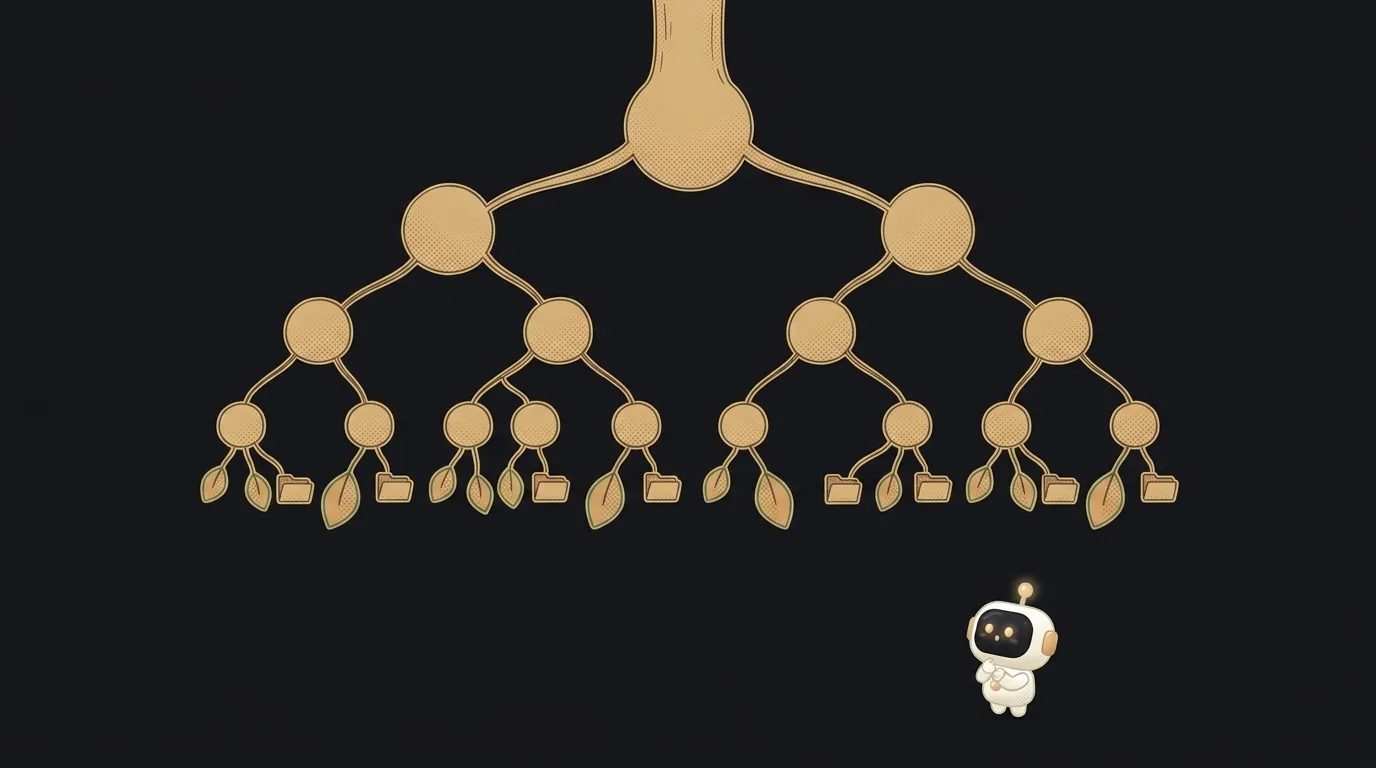
What is a tree in programming — and why the database stores it as a flat list
What a tree data structure is in plain words: root, nodes and leaves. Where you meet trees every day and why a database stores them as a flat list.
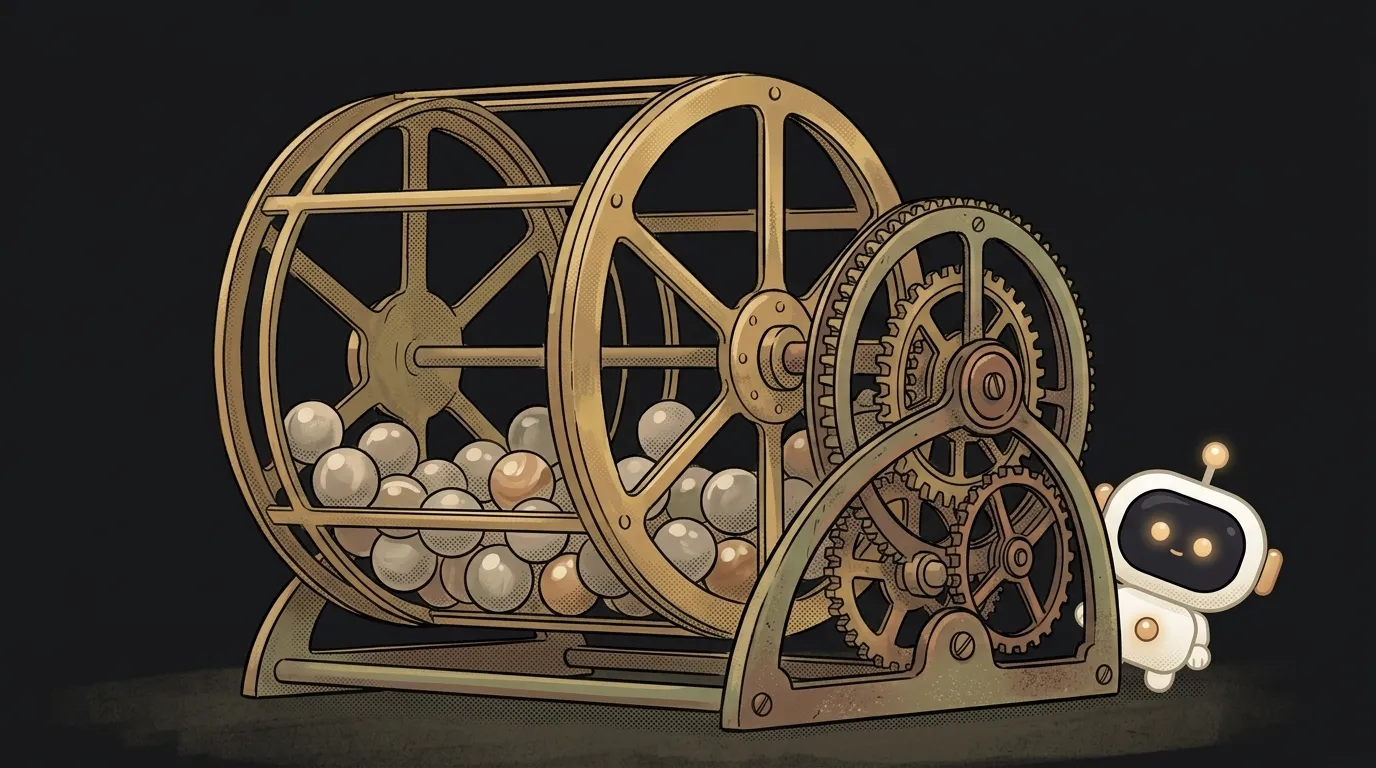
What is a random number in programming — and why a computer can't roll a die
What a random number is in code and how Math.random works: why it's pseudo-random, where the Math.round trap hides, and when you need crypto instead.

innerHTML vs textContent — the difference, and why a username can run code
innerHTML vs textContent: what's the difference and which to use. A five-criteria comparison, how innerHTML opens a hole for foreign code, and where innerText fits.

What is hoisting — and why you can call a function before you've written it
What hoisting in JavaScript is, in plain words: why a function works before it's declared, const crashes with an error, and var quietly gives you undefined.

What is a Set in JavaScript — and why it finds things thousands of times faster than an array
What a Set in JavaScript is, in plain words: a collection without duplicates and an instant has() check. When to pick a Set over an array — and where it quietly fails.

What is a Map in JavaScript — and why an object secretly turns your keys into text
What a Map in JavaScript is, in plain words: a dictionary where any value can be a key. How Map differs from an object and from the .map() method — and when to use it.

filter or find — what's the difference, and why an if with filter always passes
filter or find in JavaScript: what each returns, which to pick when, and why if (arr.filter(...)) is always true. A comparison on five criteria and a clear verdict.

What is the spread operator (...) in JavaScript — and why the order of three dots matters
The JavaScript spread operator in plain words: what three dots mean in code, how to copy and merge arrays and objects, and where the copy trap hides.

What is destructuring in JavaScript — and what [count, setCount] really means
Destructuring in JavaScript in plain words: pull fields out of objects and arrays in one line, read [count, setCount], and fix the Cannot destructure error.

What is a pure function — and why React deliberately runs your code twice
What a pure function is in programming, in plain words: same input, same output, no side effects. Why it matters in React and in tests, with examples.

slice vs splice in JavaScript — the difference, and why splice returns what you don't expect
slice vs splice in JavaScript: the difference and which to pick. Five criteria side by side, the splice return-value trap, and a safe replacement for React.

What is try catch — and why it sometimes doesn't catch the error
What is try catch, in plain words: a safety net for your code. How it works, why you need finally, and why try without await catches nothing.

What is a data type — and why JavaScript thinks null is an object
What is a data type, in plain words: a label that tells a program how to read a value. The main types, how to check them, and where the bugs come from.

What is a code comment — and why AI writes them wrong
What is a comment in code, in plain words: a margin note the program skips. How to write one, why 'why' beats 'what', and how to steer AI with comments.

for in vs for of — the difference, and why for in hands you strings instead of numbers
for in vs for of in JavaScript, explained simply. Why for in over an array gives "0" and "1" as strings, why for of crashes on an object — and which to pick.

What is an if statement in programming — and why branch order decides everything
What an if statement is, in plain words: a fork in the code, “if — else”. Why code checks branches top to bottom and how one wrong order breaks discounts.

What is a file path — and why it works on your computer but not on the server
What a file path is, in plain words: a file's address on disk. How an absolute path differs from a relative one, and what ./ and ../ mean in code.

What is a class in programming — the blueprint code uses to stamp out objects
What a class is in programming, in plain words: a blueprint for objects. How a class differs from an object, what new does, and why AI writes classes.
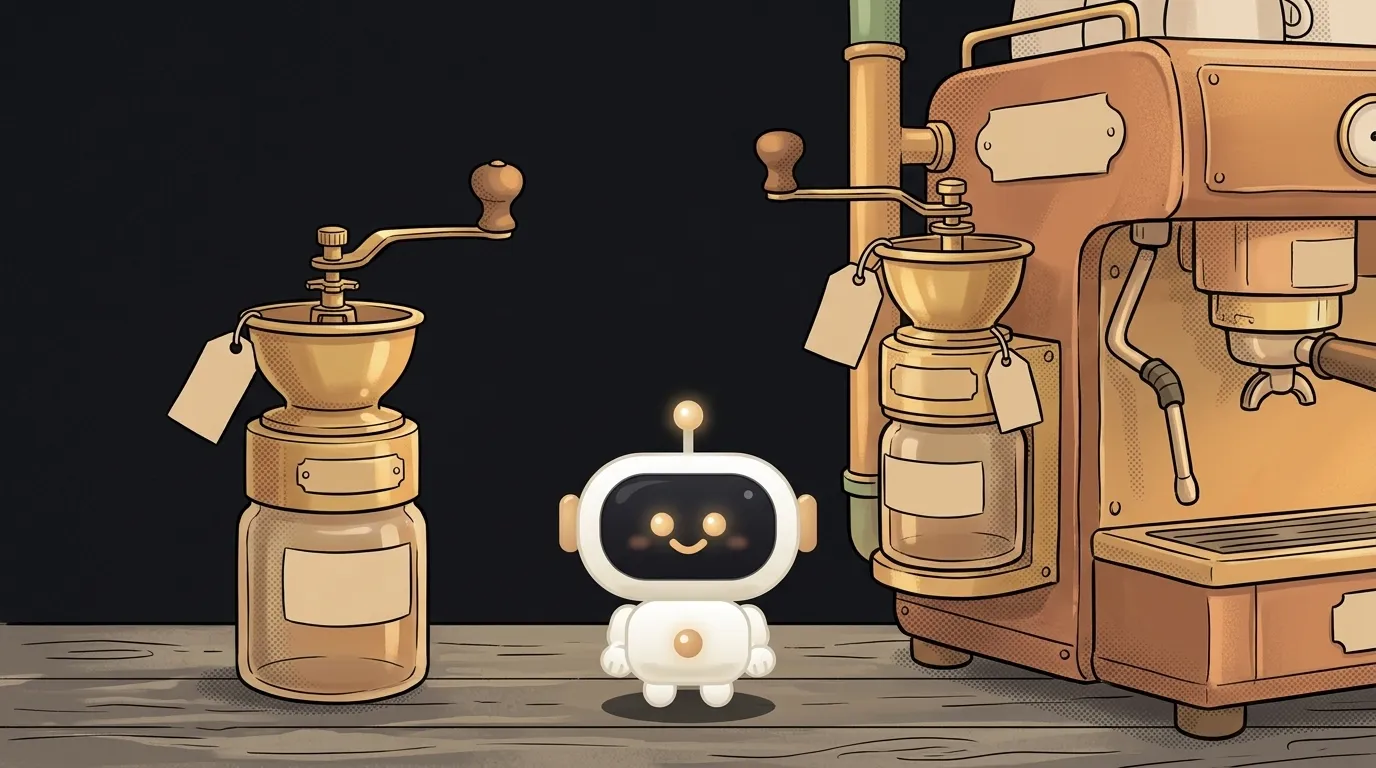
Function vs method — what's the difference, and why it isn't about how they're written
Function vs method: the difference in plain words. Why Python uses len(x) and not x.len(), what this gives a method, and when to write each one.

What is a string in programming — and why "5" and 5 aren't the same
What a string is, in plain words: text in quotes. Why "2" + "2" gives "22", an emoji counts as two characters, and everything from a form arrives as a string.

What is return and a return value — and why console.log returns nothing
What return does in a function, in plain words: the answer a function hands back. Why console.log shows a number but your variable holds undefined.

What is a boolean — and why the string "false" is actually true
What a boolean is, in plain words: true or false. Why "false" in quotes counts as true, an empty array does too, and zero counts as false.
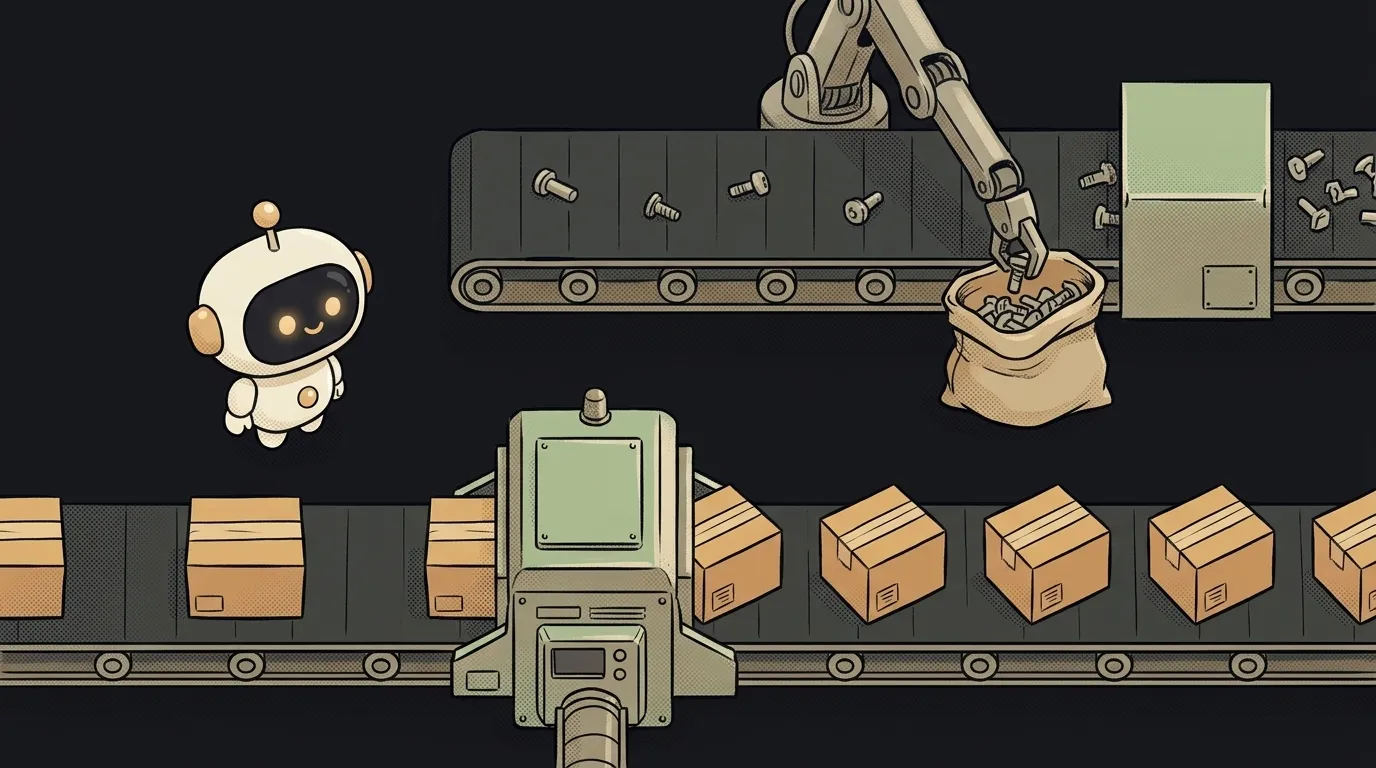
for loop or map — which to use, and why await inside map doesn't wait
for loop or map in JavaScript: what's the difference and which to pick. A comparison on five criteria, where forEach fits, and the await-inside-map trap.

What is scope in programming — and why a variable is "not defined" when it's right there
What scope is in programming, in plain words: where in code a variable exists and where it doesn't. Why is not defined happens and how to read curly braces.

What is null — and why its inventor called it a billion-dollar mistake
What null means in programming, in plain words: "deliberately empty." How null differs from undefined, where Cannot read properties of null comes from, and how to avoid it.

What is an object in programming — and why two identical objects aren't equal
What an object in programming is, in plain words: a card with labeled fields. How it works, where it shows up in AI-written code, and why {a:1} isn't {a:1}.

let vs const — which to use, and why AI writes const almost everywhere
let vs const in JavaScript: what the difference is and which to pick. A criteria breakdown, a one-second rule, and why const doesn't mean "can't change."

What is an array — and why it counts from zero
What is an array in plain words: a list that keeps its order. Why counting starts at zero, where the most common beginner bug comes from, and why an empty array matters.

What is a loop — and why it can run zero times
What is a loop in programming, in plain words: repeat one action for every item in a list. Why you almost never know the number of repeats in advance.

What is a callback — and why extra parentheses break your button
What is a callback in plain words: a function you hand over instead of calling. Why it works that way, where you've already written one, and which parentheses break everything.

Array or object — which one to pick for your data
Array vs object: how they differ and which to pick for your data. A one-sentence rule, a breakdown by criteria, and why searching an array is a thousand times slower.

What is state — and why a button doesn't "turn" grey
State is everything your app remembers between two clicks. What state is in plain words, and why interfaces break wherever one truth is stored twice.

What is a regression — and why a fixed bug comes back
A regression is an old bug that came back. What a regression is in plain words, why someone else's edit usually brings it, and how to catch it for good.

What is a dependency — and why one library pulls in two hundred
A dependency is someone else's code running inside your project. What a dependency is in plain words, why there are hundreds, and when to just write it yourself.

What is a variable — and why a copy of a list changes together with the original
A variable isn't a box holding a value — it's a tag attached to one. That's the bug every beginner hits: you edit the copy of a list and break the original.
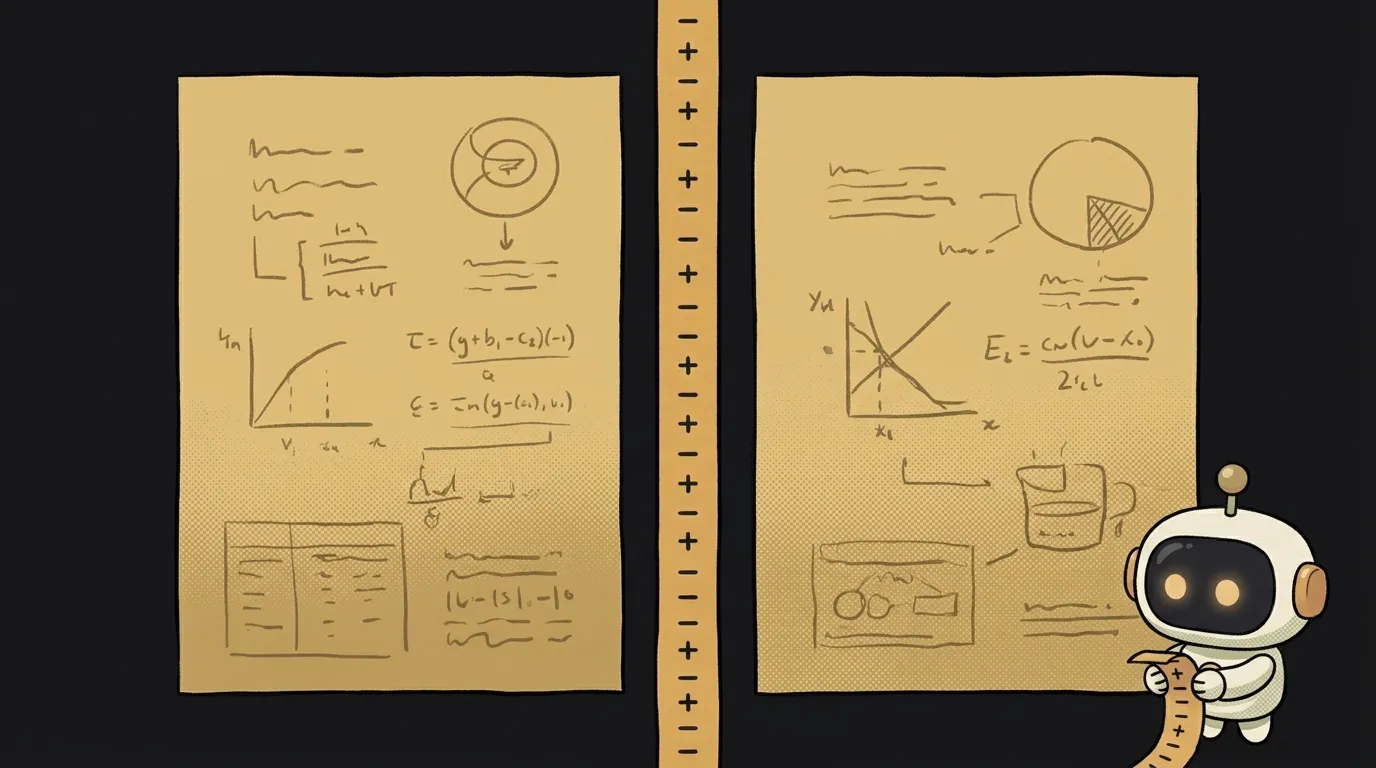
What is a diff — and why AI shows you minuses and pluses instead of the finished file
A diff isn't a report of what changed — it's a recipe for turning the old version into the new one. Learn to read minuses, pluses and those @@ marks in five minutes.

What is infinite scroll — and why you can never reach the site footer
Infinite scroll loads more content as you scroll. Here's how it works, where it breaks — the footer, the Back button, Google — and when to use it.

What is a skip link — the hidden link that saves 40 Tab presses
A skip link is a hidden “Skip to main content” link that appears when you press Tab. Who needs it, how to build one in five minutes and how to test it.

What is a command palette — a search that finds actions, not pages
A command palette is a window you open with a shortcut: type what you want to do and hit Enter. How it works and whether your app actually needs one.

What is client-side routing in an SPA — and what the browser stops doing for you
Client-side routing changes the page address without asking the server. How it works under the hood, and the four things the browser no longer does for you.

What is a hamburger menu — and what hiding your navigation actually costs
A hamburger menu is the three-line icon that hides a site's navigation. What the NN/g study found: on desktop, hidden menus get used about half as often.

What are breadcrumbs on a website — and why they're not your click history
Website breadcrumbs are the “Home > Section > Page” trail. Who they actually help, how to build them right, and what Google changed about them in 2025.

What is autofill — and why the browser doesn't recognize your fields
Autofill doesn't read your name or id — it reads the autocomplete attribute. Here's the word list browsers look for, and why you can't just switch it off.

What is an input mask — and why it usually gets in the way
An input mask types the brackets and dashes for you. Here's why it validates nothing, where pasting breaks it, and what to use instead in your forms.

What is a required field — and why the asterisk advice contradicts itself
A required field is the required attribute plus a marker for humans. Why NN/g and GOV.UK give opposite advice — and how to pick the rule for your own form.

What is progressive disclosure — and why a hidden button makes an interface clearer
Progressive disclosure means deferring rare features to a second level. Here's why it speeds beginners up, the two conditions it needs, and where it breaks.

What is optimistic UI — and why the like registers before the server answers
What optimistic UI means in plain words: the app shows the result before the server confirms it. Why teams do it, and how to roll it back without losing the user.

What is an empty state — and why it's the first screen every user sees
What an empty state is and how to design one: the three kinds of emptiness, the mistake beginners make, and what to write instead of "No data".

What is a toast notification — and why some people will never see it
What a toast notification is: a small panel that pops up and disappears on its own. When it fits, how long to keep it, and who never gets to read it at all.

Toast or inline error — where to show it so people actually fix it
Toast vs inline error, compared on visibility, accessibility and message length. A straight answer on where form errors belong and when a toast is the right call.

What is tree shaking — and why lodash still ships to your bundle whole
Tree shaking drops unused code from your build. Here's why it works with some libraries and silently does nothing at all with others.

What is lazy loading — and why it can make your site slower
Lazy loading defers images until you scroll and saves bandwidth. But one line on the first screen makes your site slower — here's exactly why that happens.

What is code splitting — and why your home page ships code nobody opens
Code splitting cuts one big JavaScript file into parts that load on demand. Here's how it works, where it pays off, and where cutting actually hurts.

What is an AI detector — and why it flags careful humans more often than machines
An AI detector doesn't see AI. It measures how predictable your text is — which is why it flagged 61% of essays by non-native writers. Here's how it works.

What is a false positive — and why a 99% accurate filter is wrong half the time
A false positive is a system accusing someone innocent. Let's do the math on why a filter that's 99% accurate produces half its flags in error.

What is a confidence score — and why "97% sure" doesn't mean "true"
A confidence score is how sure a model is of its words, not of their truth. Where the number comes from, and why fine-tuning made it lie.

What is an open redirect — and why a link on your domain lands on someone else's site
An open redirect is a hole you add yourself with a next parameter on the login form. How your own domain becomes a phishing link, and the three ways to fix it.

What is CSP (Content Security Policy) — and why it blocks your own script first
CSP isn't a filter for bad code, it's an allowlist of sources. What Content Security Policy is, why it blocks your own scripts, and how to turn it on safely.

What is contrast ratio — and why green text only works on black
Contrast ratio measures brightness, not colour. Here's the formula, the 4.5:1 threshold, and why a colour that looks bright fails the check.

What is alt text — and why the same image needs different alt on different pages
Alt text describes an image's role, not its pixels. Here's what to write for photos, icons and buttons — and when empty alt is the right answer.

What is a screen reader — and why it doesn't read the page top to bottom
A screen reader turns your markup into speech. Here's how people actually use it: 72% jump between headings instead of listening straight through.

What is object storage — and why you can't rename a folder in it
Object storage is the warehouse for files that sits next to your database. Why it has no folders, why you need it on project one, and how a file gets a URL.

What is EXIF — and why your photo tells people where you took it
EXIF is a dossier inside the photo: date, camera, coordinates. What's really in there, what it costs your app, and how to strip it without tipping photos sideways.

What is a presigned URL — a link that lives an hour and acts as you
A presigned URL is a temporary pass to a file in storage. What's baked into the signature, why the link isn't single-use, and why it dies before its expiry.

What Is Hydration — and Why the Page Is Visible but the Buttons Don't Work Yet
Hydration is the moment JavaScript wires itself into the HTML the server already sent. Here's where the dead window and mismatch errors come from.

What Are Core Web Vitals — and Why Google Looks at Other People's Phones, Not Your Run
Core Web Vitals are three metrics: LCP, INP and CLS. Here are the thresholds, where Google gets the numbers, and why INP can't be measured in a lab.

What Is a Third-Party Script — and Why Someone Else's Line on Your Page Sees Everything
Chat, analytics and pixels are someone else's code with your code's rights. What third-party scripts are, how they slow a site, and how to tame them.

What is retention — and why the best apps lose users just as fast
Retention is the share of people who come back after N days. The average app loses 77% in three days. Here's how to measure it and what shape the curve should be.
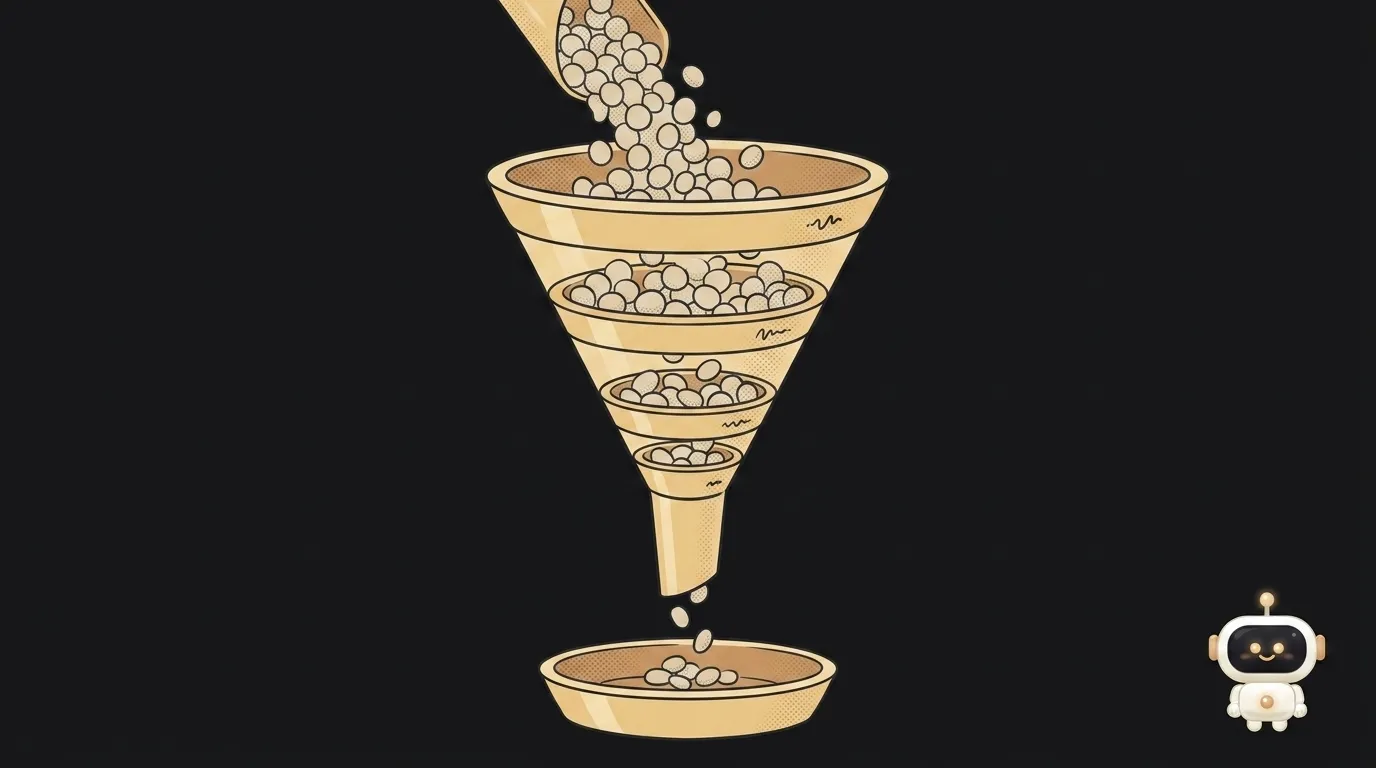
What is a funnel — and why five 80% steps leave you with 33%
A funnel is your user's path, split into steps. Here's why step percentages multiply instead of adding up, and which step to fix first.

What is a cohort — and why your overall metric rises as the product gets worse
A cohort is a group of users who arrived at the same time. Here's why overall averages lie, how to read a cohort table and what to look for in it.

Wireframe or Mockup — Where to Start If You Can't Draw
Wireframe vs mockup: how they differ and what to do first. Compared on edit cost, honest feedback, and usefulness to AI — with a straight answer for beginners.

What Is UI vs UX — And Why the Term Was Coined to Escape the Word «Interface»
UI is the screen, UX is the whole path to the goal. What separates UI from UX, where the term came from, and why AI nails the first but fumbles the second.

What Is a Design Token — And How One Line Recolors Your Whole App
A design token is a name for a value, not the color itself. Why tokens exist, what aliases are, and why without them dark mode turns into manual repainting.

What Is a Design System — And Why It Isn't a Folder Full of Buttons
A design system isn't a component library, it's a set of decisions made once. How it differs from a style guide, and why you want one even building solo.
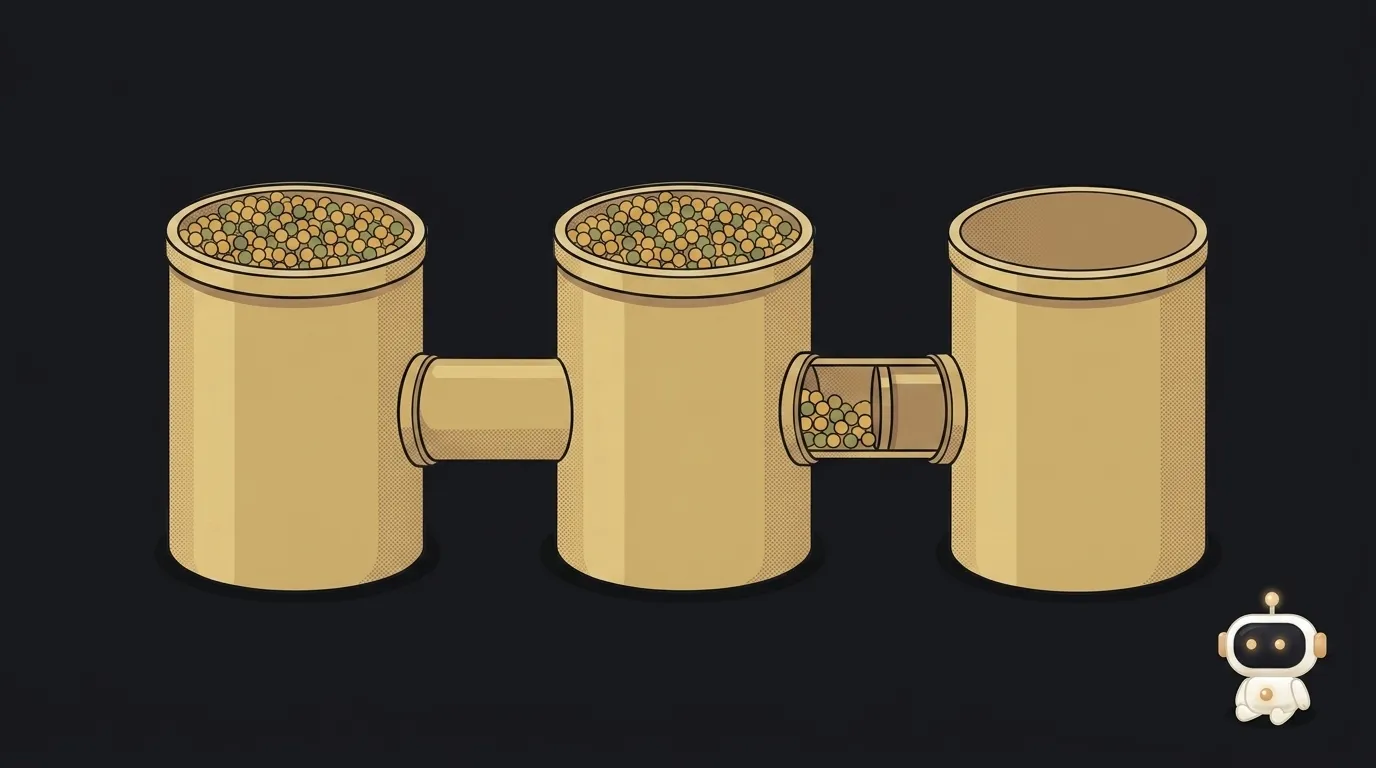
What is a payout — and why your customer's money doesn't hit your bank right away
A payout moves money from your payment provider's balance to your bank. Why the first one takes up to two weeks and why daily payouts don't speed it up.

What is a chargeback — and why the fee is gone even when you win
A chargeback is when your customer's bank pulls the money back from you. How disputes work, what they really cost, and why even a win hurts your stats.

What is 3-D Secure — and why it's not extra friction but a transfer of liability
3-D Secure is payment confirmation on the customer's bank side. Who pays for a fraud dispute after 3DS, when it's mandatory, and what the friction costs.

What is secure storage — and why an app doesn't know its own key
Secure storage is a safe inside your phone: the key never leaves the chip, and the app itself can't read it. Keychain, Keystore, and where not to put a token.

What is a refresh token — and why you sometimes get logged out everywhere
A refresh token is the long key you trade for a short pass. Why apps use two tokens instead of one, and why the server sometimes logs you out on every device.

What is a passkey — and why it can't be stolen from the server
A passkey is a login without a password: the site only stores a public key. Here's how your phone signs you in and why phishing stops working.

What is a push token — and why it changes on its own
What a push token is in plain words: how an app gets an address for notifications, why you must never cache it, and how to clean out dead tokens.
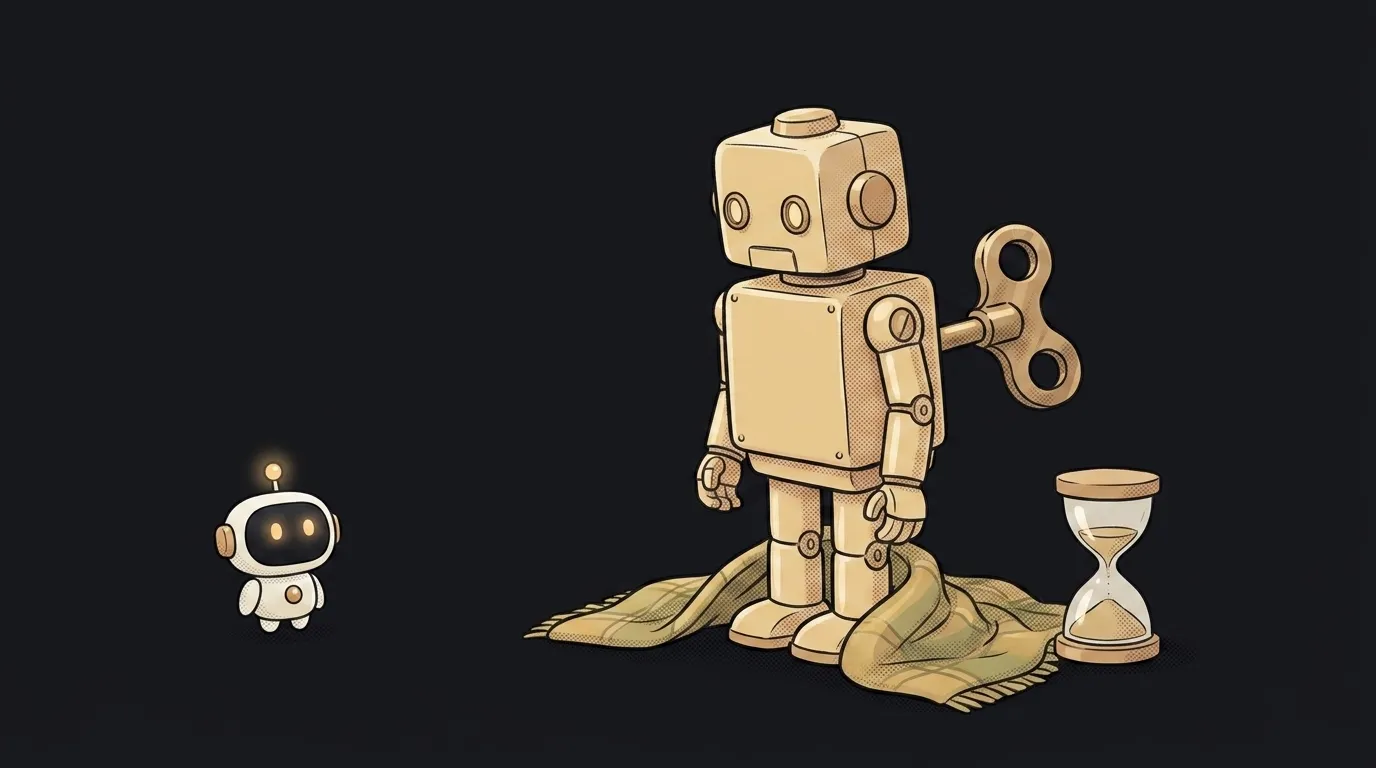
What is a background task — and why the phone puts it to sleep anyway
What a background task is on a phone: how many seconds iOS gives you, how Android defers work in Doze, and three honest ways to get work done in the background.

What are app permissions — and why you only get to ask once
What app permissions are in plain words: how the system prompt works, why it never appears again after a denial, and when to ask so you don't lose access.

What an incident is — and why you declare one before you find the cause
What an incident is in plain words: how to tell an outage from a bug, Google's three questions for declaring one, and why the incident commander fixes nothing.

What a postmortem is — the outage review where blame is banned
What a postmortem is in plain words: why you write outages down, why there are no names in it, and the one mistake that makes the whole document useless.

CHANGELOG vs release notes — the difference and which one to write
How a changelog differs from release notes: different readers, different lifespan, and a 500-character limit. Which one you must keep, and which you can skip.

What is personal data — and why swapping the name for an ID changes nothing
What personal data means in plain words: why an email and a device ID count, and why replacing a name with user_8123 doesn't take your database out of scope.

What is database normalization — and why one big table breaks later, not now
Database normalization in plain words: the three problems of a wide table, the three normal forms explained simply, and when duplicating data is actually right.

What is a JOIN in SQL — and why LEFT JOIN quietly drops rows
JOINs in plain words: how to stitch two tables in one query, how INNER differs from LEFT, and the two traps that make the total in your report wrong.

What is a foreign key — and why it quietly slows down deletes
Foreign keys in plain words: how the database blocks orders from users who don't exist, what ON DELETE CASCADE does, and why you must add the index yourself.

Session or JWT — which login should your app use
Session vs JWT: how they differ, why a token can't be revoked, and which one a beginner should pick. Compared on revocation, speed and complexity.

What is exponential backoff — and why it fails without randomness
Exponential backoff doubles the wait before each retry. Here's why doubling alone still takes a service down, and what a bit of randomness fixes.

What is data labeling — and why labelers disagree with each other
Data labeling is the set of right answers a model learns from. Who writes them, and why trained labelers agree only about three times out of four.
Backup vs replica — which one actually saves your database
Backups and replicas protect against different things: a replica against a dead server, a backup against your own mistake. The difference, and what to pick.

What is graceful shutdown — why someone loses their request on every deploy
What graceful shutdown means in plain words: how an app should die, why the signal often never arrives in Docker, and what the 30 seconds of grace are for.

What is a load balancer — and why every visitor suddenly has the same IP
What a load balancer is, in plain words: how it splits requests across servers, why your IP rate limit breaks right after you add one, and what sticky sessions do.

What is a deep link — and why a file on your website grants the right to open it
What a deep link is, in plain words: how myapp:// differs from a universal link, why any app can claim your scheme, and what the file on your domain decides.
Vertical vs horizontal scaling — what to pick when your site can't keep up
Vertical vs horizontal scaling explained: how they differ, why upgrading a machine means powering it off, and why a bigger disk is a one-way ticket.

What is UTC — and why your date slips back a day
UTC and time zones in plain words: why adding a time to a date is riskier than leaving it out, and how to stop losing whole days.

What is uptime — and why 99.9% means 43 minutes of downtime a month
Uptime and SLA in plain words: how many minutes hide behind 99.9%, and why a chain of services is less reliable than its weakest link.

What is debounce — and why your search box sends six requests instead of one
What debounce means in plain words, and how it differs from throttle. How a 300 ms delay kills redundant requests, and why answers arrive out of order without it.
What is classification — the task where AI barely lies
What classification in machine learning means, in plain words: the model sorts text onto your shelves. Why it's cheaper than generation and how to measure it.

What is a circuit breaker — and why retries make an outage worse
What a circuit breaker is, in plain words: a fuse that stops calling a service that's already down. The three states, and how it differs from a rate limit.

What is LLM-as-a-judge — and why it scores formatting, not substance
An LLM judge is a model that grades another model's answers. The three biases that skew it (style, length, order) and how to build a fair check.

What is a favicon — and why it won't change no matter how often you refresh
A favicon is your site's icon in the browser tab and in mobile Google results. What it's for, which sizes to ship in 2026, and why it gets stuck in cache.

What is a breakpoint — and why it has nothing to do with screen width
A breakpoint pauses your code on a chosen line and shows every variable at that exact moment. Why it beats console.log and how to set your first one.

What is a database schema — and why «schemaless» doesn't exist
A schema is the shape contract for your data: tables, fields, types. Here's how it catches garbage at write time — and where it hides in «schemaless» databases.

What is a runtime — and why console.log is not part of JavaScript
A runtime is the environment that executes your code and gives it hands: files, network, output. Why one language can do different things in different places.
What is a deadlock — and why the «deadlock detected» error just saved you
A deadlock is a mutual block: two processes hold a resource each and wait for each other forever. How the database detects deadlocks — and how not to create them.

What is a payload — and why the bug is usually somewhere else
A payload is the useful data inside a request. Here's what a payload is, how it differs from headers, and where an API request actually breaks.

What is a flaky test — and why it's worse than a failing one
A flaky test fails every other run on identical code. Here's what a flaky test is, where the flakiness comes from, and why a retry is the worst possible fix.

What is boilerplate — and why it matters now that AI types for free
Boilerplate is the repetitive code every project needs. Here's what boilerplate is, how it differs from a template, and why AI made it more valuable, not less.
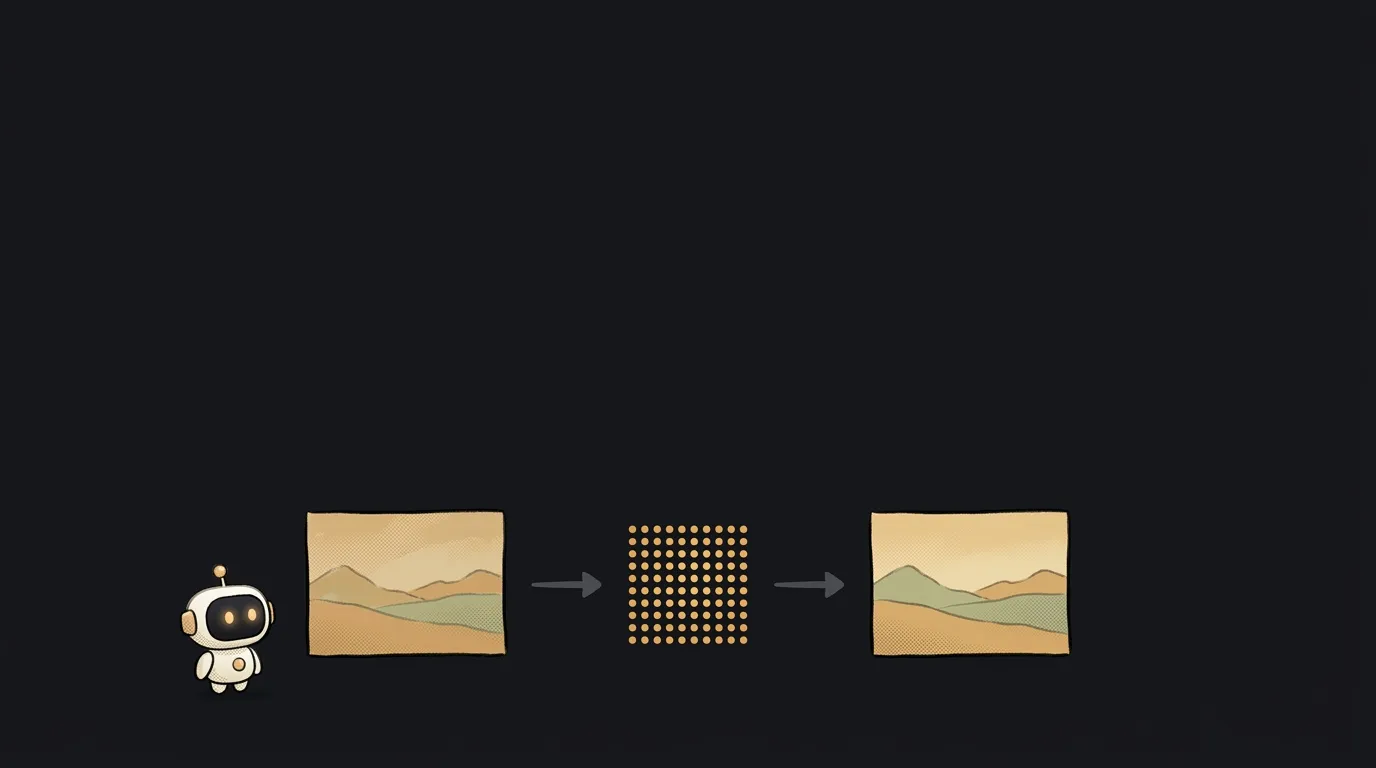
What is latent space — and why the model isn't drawing a picture
Latent space is a «summary» instead of pixels. Here's what it is, why an image shrinks 48× before generation, and what that explains about AI images.

What is AI slop — and why it's not about writing quality
AI slop isn't «badly written». It's content nobody asked for. Here's what AI slop means, where the word came from, and how not to produce it yourself.
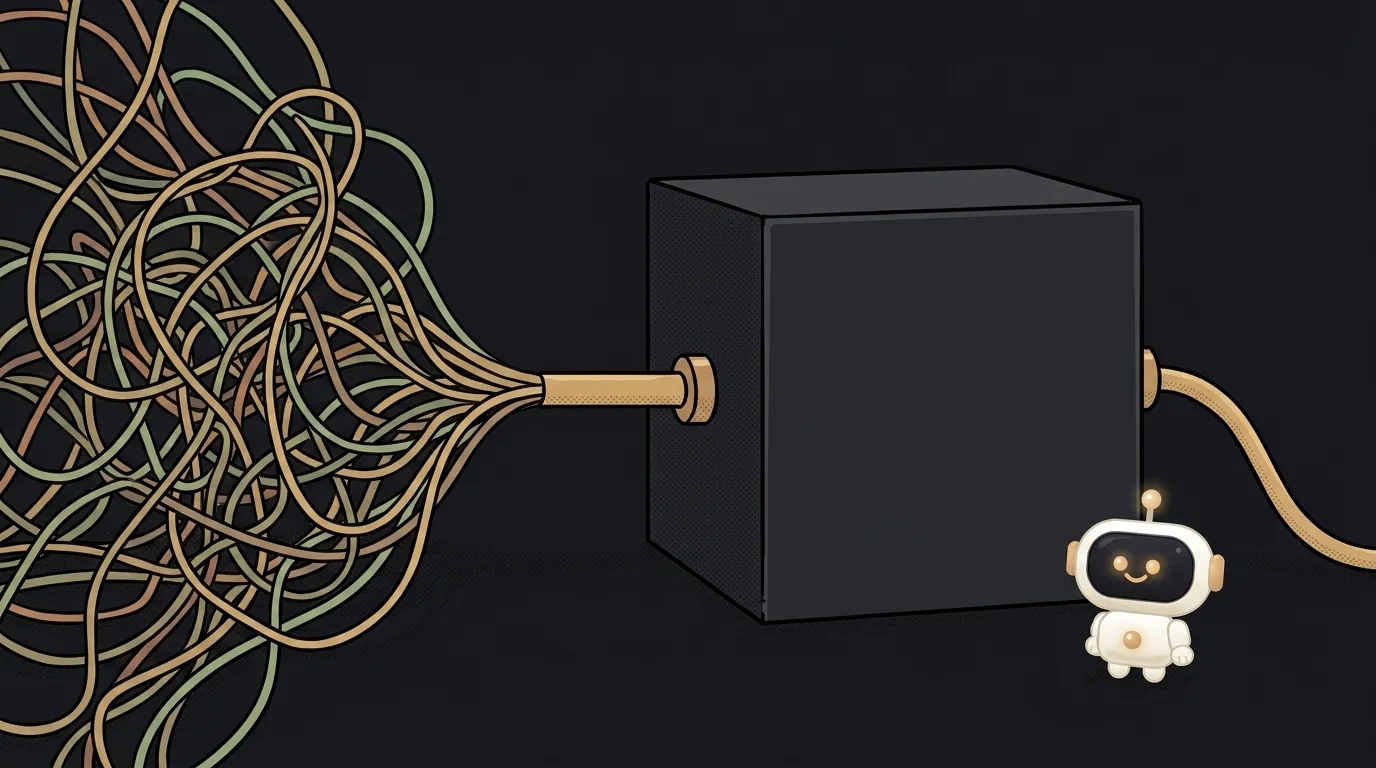
What is a function in programming — and why AI breaks code without them
A function isn't a way to save lines. Here's what a function is in plain words, how it's built, and why it decides whether AI can fix your code or wreck it.

What is recursion — a function that calls itself (and where its floor is)
Recursion is a function calling itself. What recursion is in plain words, why the base case is mandatory, and where that stack overflow error comes from.

What is overfitting — why a model aces the test and flunks real work
Overfitting is when a model memorised the examples instead of learning the rule. What overfitting is, why the score rises as usefulness drops, and how to spot it.

What is code coverage — and why 100% doesn't mean “tested”
Code coverage shows which lines ran during your tests, not which ones were checked. What code coverage is, where the catch hides, and how to read a report honestly.

AI terms explained simply — 8 words and the myth behind each
AI terms explained simply: token, context, hallucination, temperature, RAG, agent. One line per word — plus the misconception that keeps tripping people up.

What is voice cloning — and why 30 seconds beats ten minutes
Voice cloning isn't about how long your sample is — it's about how clean it is. Here's how a model captures a voice “fingerprint”, and what that means for you.

What are tokens per second — and why the same model feels slower in Russian
Tokens per second (t/s) is the headline number for AI speed. Here's what it measures, why one number lies, and how to measure your own model's speed.
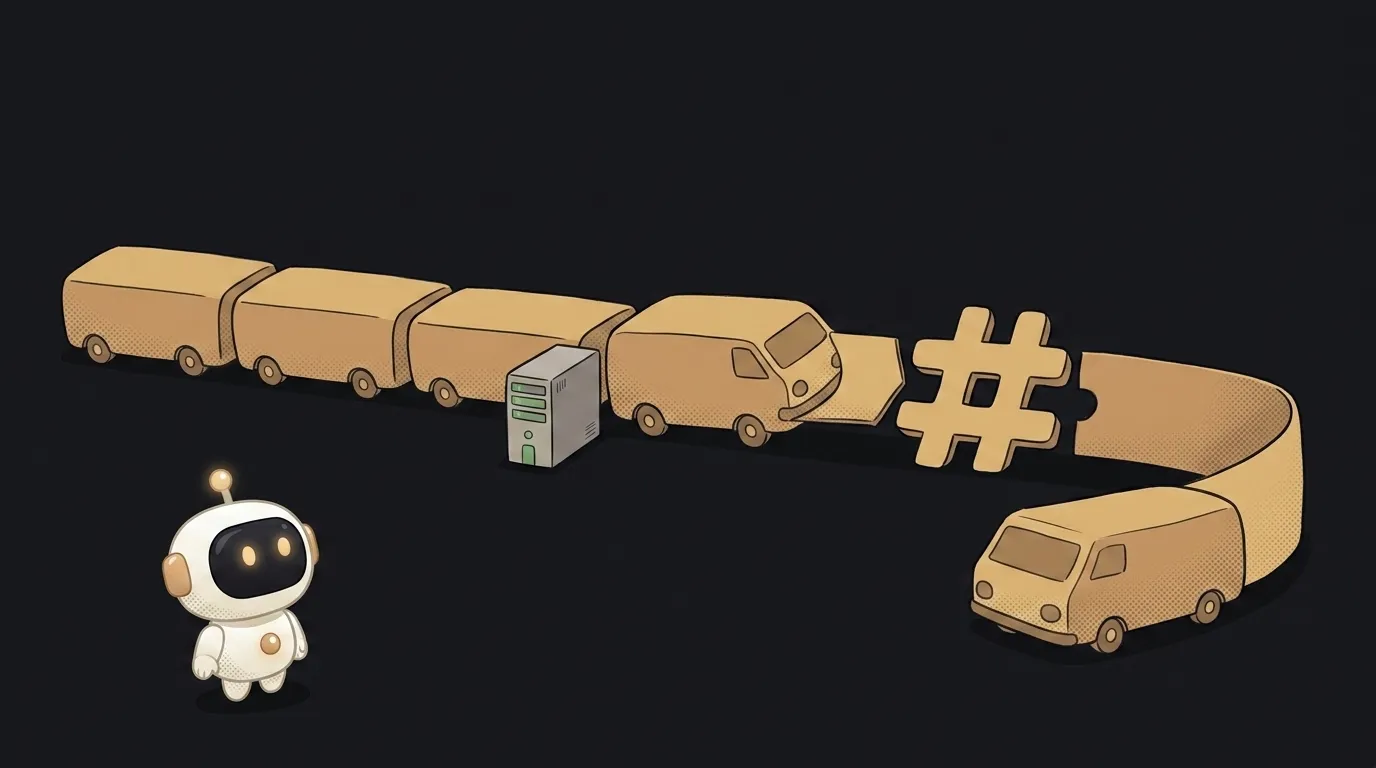
What is a URL — and why the server never sees anything after the #
What a URL is and what it's made of: scheme, host, port, path, query and hash. And why everything after the # never reaches the server at all.

What is a unix timestamp — and why your date jumped back to 1970
What a unix timestamp is in plain words: one number instead of a date. Why 10 digits means seconds, 13 means milliseconds, and where that 1970 comes from.

What is a float — and why 0.1 + 0.2 doesn't equal 0.3
What a float is in plain words: why 0.1 + 0.2 = 0.30000000000000004, where that breaks money calculations, and how to compare decimal numbers properly.

Library or framework — what the difference really is
Library vs framework: the difference isn't size, it's who calls whom. A criteria table on the cost of entry and exit — and what to pick for your first project.

What is a User-Agent — and why your browser still pretends to be Mozilla
The User-Agent is the string your browser introduces itself with on every request. Here's what's in it, why it has been lying since the 90s, and how to read it.

What is VRAM — and why a "7B" model doesn't weigh 7 gigabytes
VRAM is the video card's memory, where the whole model has to fit. Why "7B" isn't 7 gigabytes, how to calculate what you need, and what to do if it won't fit.

What is cosine similarity — and why 0.8 doesn't mean "80% match"
Cosine similarity measures the angle between embeddings. What those numbers actually mean, why 0.8 isn't 80%, and why you can't eyeball a threshold.

What is a stop sequence — and how to tell a complete answer from a truncated one
A stop sequence cuts generation off at the right spot. What it is, why the string itself never shows up in the answer, and how to spot a truncated reply.

What is a subdomain — and why it's free when a domain isn't
What a subdomain is in plain words: app.mysite.com takes a minute and costs nothing. But the browser treats it as a separate site — your login doesn't travel.

What is a fork on GitHub — and how it differs from a clone
What a fork is in plain words: a copy of someone else's repository inside your GitHub account. How a fork differs from a clone, and why it quietly goes stale.
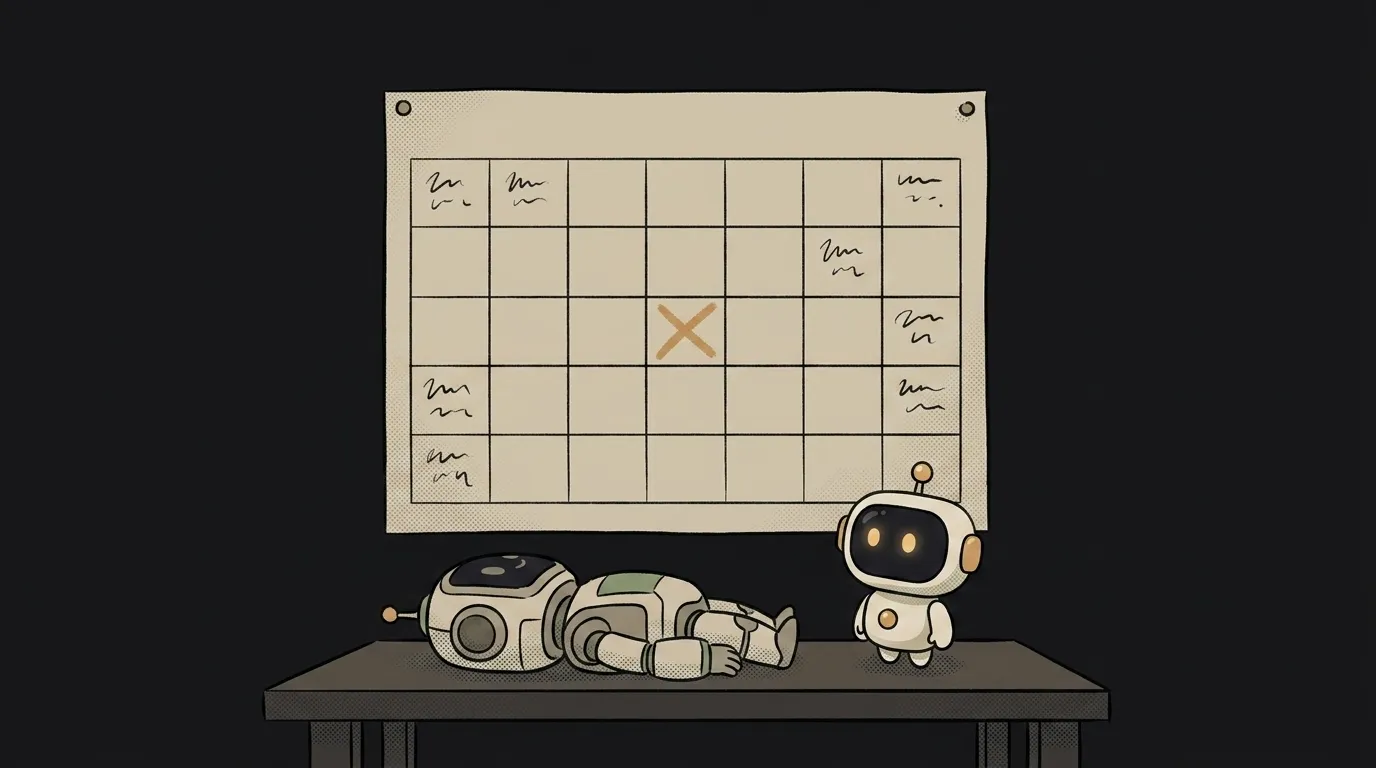
What is model deprecation — and why your AI app breaks on a calendar date
Model deprecation is a shutdown announced in advance. Here's the model lifecycle, the notice periods, and why a silent version swap hurts more than an error.

What is a task queue — and why long work can't live inside a request
A task queue is a coat-check ticket for slow work: your app answers instantly, a background worker finishes the job. Here's the mechanics and the big catch.

What is a cold start — and why your first visitor waits the longest
A cold start isn't a slow server — it's no server at all. Here's why the first request after a pause takes seconds, and how to make that wait disappear.

Vector search or keyword search — what to pick for AI search over your own data
Vector search vs BM25: compared by what each one finds and where it silently misses. Plus the formula used to fuse them into a single ranked list.

What is a primary key — and why the id in your URL leaks more than you think
Primary keys in plain words: what they're for, why email makes a bad key, and what to pick — auto-increment, UUIDv4 or UUIDv7.

What is an AI watermark — why you can't see it and a screenshot won't erase it
An AI watermark isn't a caption in the corner — it's an invisible signal inside the pixels. How SynthID works, how it differs from C2PA, and how to check an image.

What is a proxy server — and why your API key is public without one
A proxy is a middleman between your app and someone else's service. What a proxy server is, forward vs reverse, and why your API key needs one.

What is OCR — and why AI misreads numbers more often than letters
OCR turns an image into text. The old engine failed honestly; a model invents confidently — and it happens most on digits. Here's why.
What is encryption — and why the browser padlock doesn't protect your database
Encryption hides data in a way you can undo. Here's what the padlock in your browser actually protects — and what it doesn't.

Database or spreadsheet — what to use for your first project
Spreadsheets don't break on volume: 10 million cells is fine. Here's where they actually break, where a database is overkill, and what to pick.

What is speech-to-text — and why AI mangles names, not words
Speech-to-text doesn't hear letters: the model looks at a picture of sound and guesses the text. That's where all its quirks come from — and how to fix them.

What is a MIME type — and why the browser refused to run your script
A MIME type decides what the browser does with a file: show it, download it, or refuse to run it. Content-Type, the Refused to execute error, and nosniff.

What is a bundler — and why a website has to be 'built' before it runs
A bundler is the translator between your code and the browser. What a bundler does, why the build command exists, and why they're all being rewritten in Rust.

What is a memory leak — and why your app dies on day three
What a memory leak is in plain words: a bug tests can't catch because the code isn't wrong. The three places it almost always leaks, and how to spot it.

What is a hash — and why your password can't be turned back
What a hash is in plain words: why a service that emails you your old password can't be doing it honestly — and where the password actually goes.
What is a UUID — and why the id in your database looks like gibberish
A UUID is a long id like 550e8400-e29b-41d4… Here's why it beats 1, 2, 3, what plain numbers leak, and what the new UUIDv7 fixes.

What are HTTP methods — and why a Delete button must never be a link
GET and POST aren't a formality — they're a promise. Here's the difference, and how mixing them up made real people's data disappear.

What is a seed in image generation — and how to get that one picture back
What a seed is, in plain words: one number sets the starting noise an image grows from. Lock it down and your prompt edits finally become visible.

What is idempotency — and why the card got charged twice
The user tapped Pay once and got billed twice. What idempotency is, where the retries nobody made come from, and how to disarm them in your own app.

What is base64 — and why it is not encryption
A string like eyJhbGciOi… looks encrypted, but it reads in one second. What base64 actually is, why it exists, and why you must never hide secrets in it.

What is a database index — and why your query reads the whole table
Your app flew on 200 rows and died on 50,000. What a database index is, how to spot a missing one with a single command, and which columns deserve one.

What is SSH — how to log into someone else's computer without a password in the open
SSH is a secure login into a remote computer. Here's what SSH is, why the safest login uses no password at all, and where you'll run into it.

What is hashing — why a website doesn't know your password
Hashing is a one-way fingerprint of data. Here's what a hash is, why a site stores not your password but its imprint, and how hashing differs from encryption.

What is a race condition — the bug that shows up only sometimes
A race condition is a bug that fires every other time and vanishes when you look. Here's what a race condition is, why code 'runs ahead,' and how to fix it.

Docker or a virtual machine — the difference, and what a beginner should pick
Docker and a virtual machine both promise 'runs the same everywhere,' but differently. We compare Docker vs VM on weight, speed and isolation — and what to choose.

What is WebSocket — and why a chat updates itself without a page reload
WebSocket is an open pipe between the browser and the server: data flows both ways on its own. Here's how it works and when plain HTTP isn't enough.

What is technical debt — and why it piles up faster with AI
Technical debt isn't "bad code" — it's the price of "fast now". Here's how it grows interest, why AI speeds it up, and when it's time to pay it back.

What is hosting — someone else's computer that never gets switched off
Hosting is a computer where your site lives 24/7. Here's how it differs from your laptop and which kind of hosting to pick for your first project.

What is YAML — the format where Norway turns into false
YAML is the config format where indentation is syntax. How to read YAML, why one space can break the file, and how to dodge the famous Norway problem.
What is a linter — the robot that finds bugs without running your code
A linter reads your code as text and catches mistakes before you run it: typos, dead variables, suspicious spots. How it works and how to turn it on.
What is a CLI — why the top AI tools look like a black window
A CLI is a program with no windows or buttons, driven by text. Learn to read any command with one simple pattern — and why AI agents live in CLIs.

What is web scraping — and is it even allowed?
Web scraping is a program reading websites for you and saving the data into a table. How it works, where the limits are, and how AI changed the game.

What version 1.0.0 means — and why projects break on their own
A version like 1.0.0 isn't a counter — it's a promise about what breaks on update. Semver explained: the ^ in package.json and lock files.

What are logs — and why your console.log prints somewhere else
Logs are your program's diary: what happened and when. Where to read them on the frontend, backend and hosting — and how to feed them to AI properly.

What is refactoring — why change code that already works
What is refactoring in plain words: editing code so that nothing changes on the outside. Why touch working code at all, and how to ask AI to do it safely.

What is Markdown — the language you already write in
What is Markdown in plain words: every AI answer is written in it. Here are the six markup symbols that cover almost everything you'll ever need.

What is an IP address — and why 127.0.0.1 means "you"
What is an IP address in plain words: mail for computers, external vs internal addresses — and how to open your project on your phone using the terminal URL.

Authentication vs authorization — the difference, and why 401 isn't 403
Authentication answers "who are you", authorization — "what are you allowed to do". A table, examples, and which error means what: 401 vs 403.
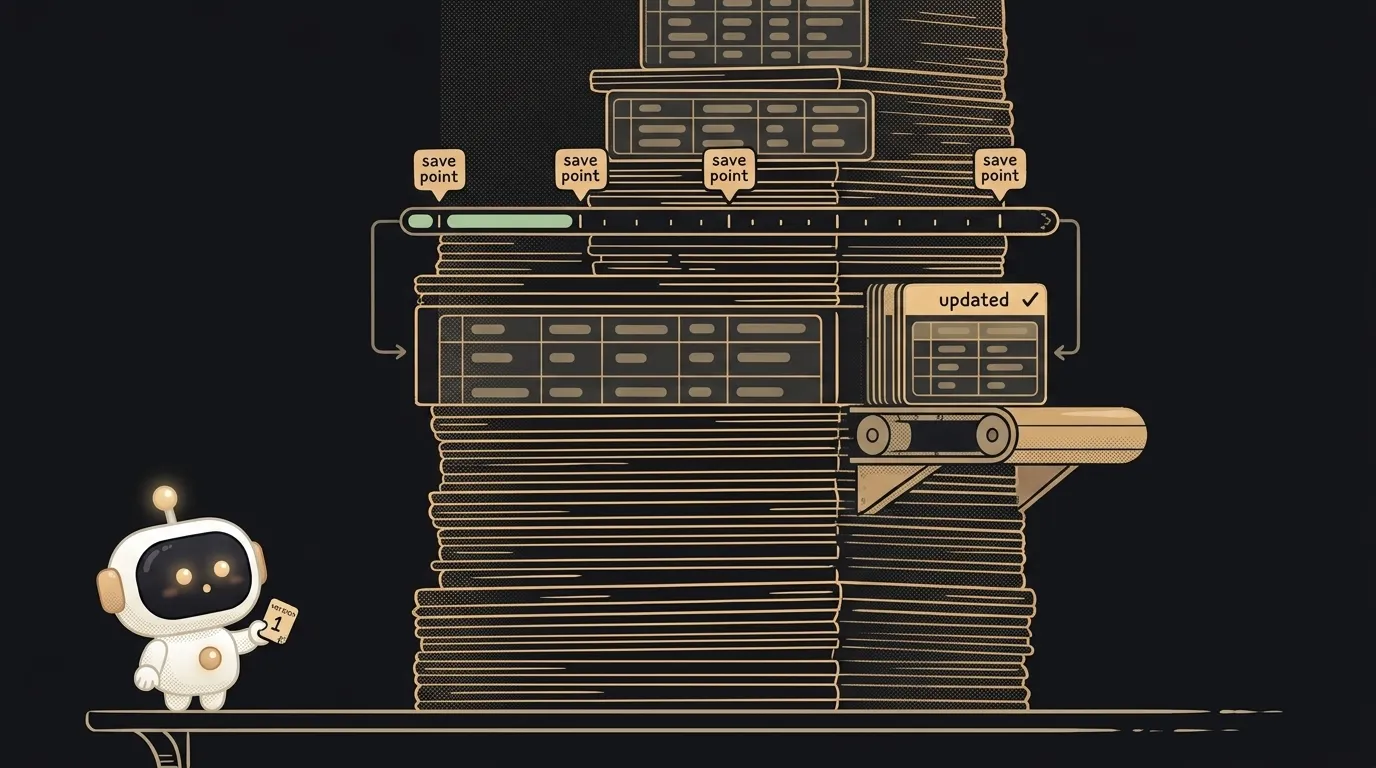
What is a database migration — it's git for your schema, not moving data
A database migration isn't moving data — it's a version of your table structure. What it is, how it works, and why you need one even solo.
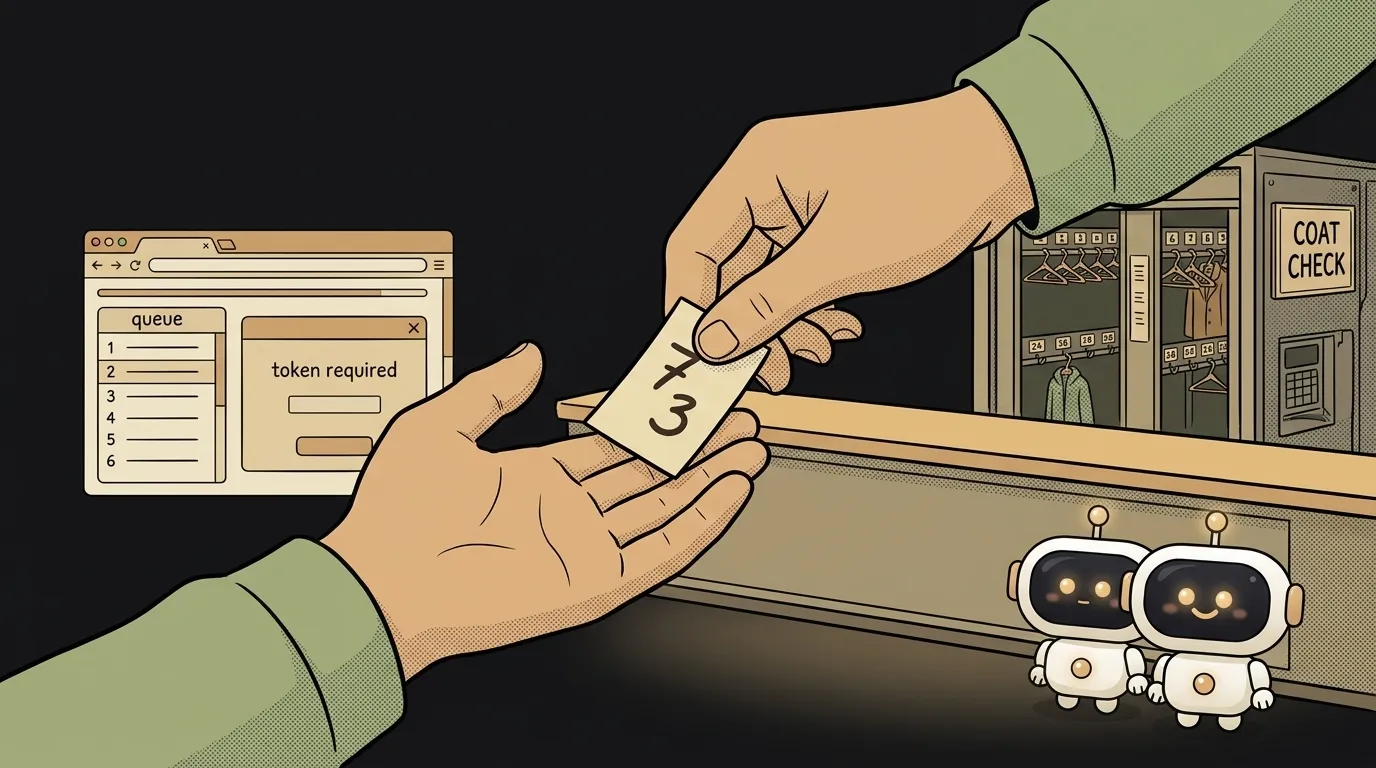
What is a cookie — and why the site remembers you logged in
What a cookie is in plain words: the server doesn't remember you, and a cookie is the coat-check ticket it recognizes you by. And why it isn't spying.

What is npm — why one command pulls in thousands of files
npm is a warehouse of ready-made JavaScript code plus the command that installs it. What npm is in plain words, what npm install does, and why it's both handy and risky.
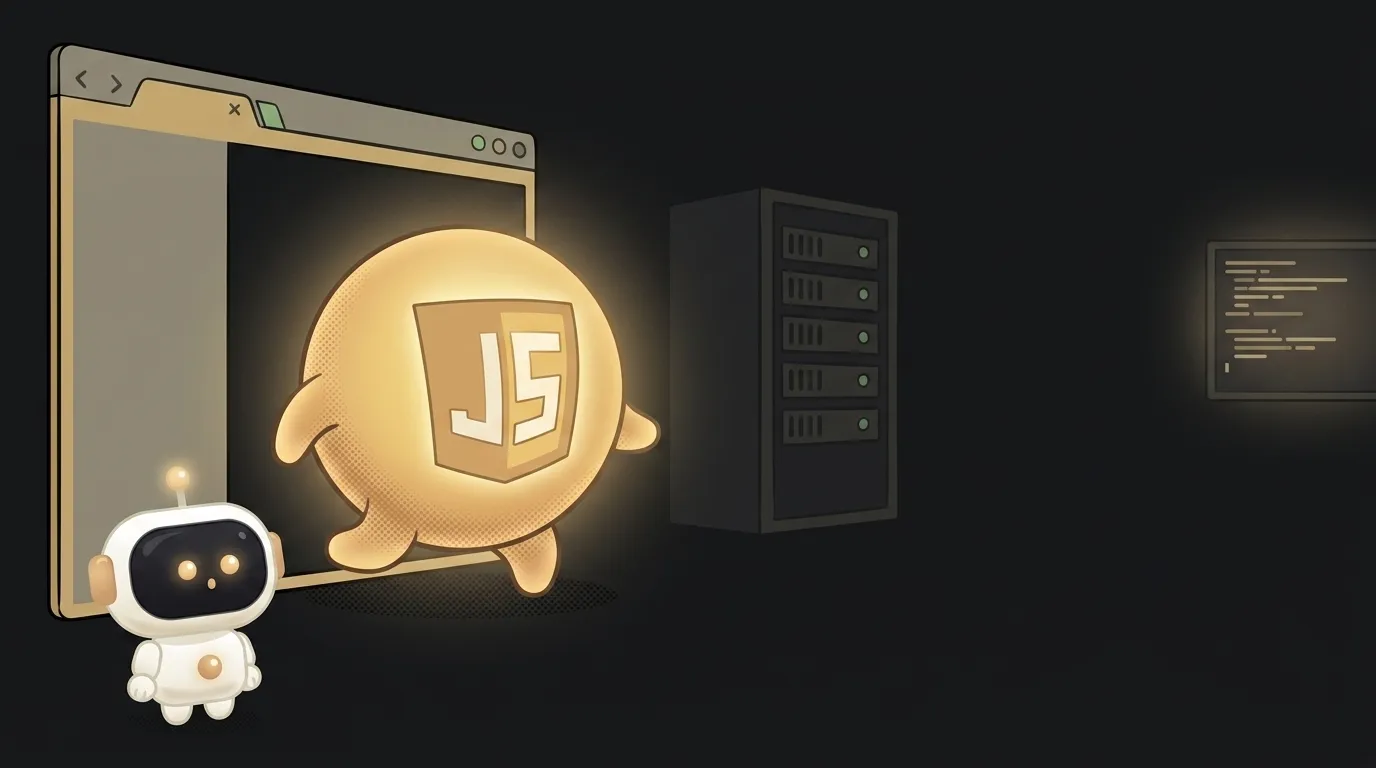
What is Node.js — how JavaScript escaped the browser
Node.js is how you run JavaScript outside the browser: on a server, in the terminal, anywhere. Here's what Node.js is in plain words, and why you'll need it.

What is an eval — why topping a benchmark won't solve your task
An eval is a small exam you write for a model, tuned to your task. What an eval is in plain words, how it differs from a benchmark, and how to build your own in an evening.

What is top-p — and why the newest models ripped that knob out
top-p cuts off the model's tail of unlikely words. What top-p means in plain words, how it differs from temperature, and why turning both knobs at once is a mistake.

What is LoRA — fine-tuning where 0.01% of the weights learn
LoRA freezes the model and trains two tiny matrices on top. What LoRA means in plain words: why it trains thousands of times fewer parameters, and why adapters matter.

What is regex — and why it's not a cat that walked on the keyboard
A regular expression looks like random symbols and scares beginners. It's really a short language for searching text — here's what regex is and how to read one.
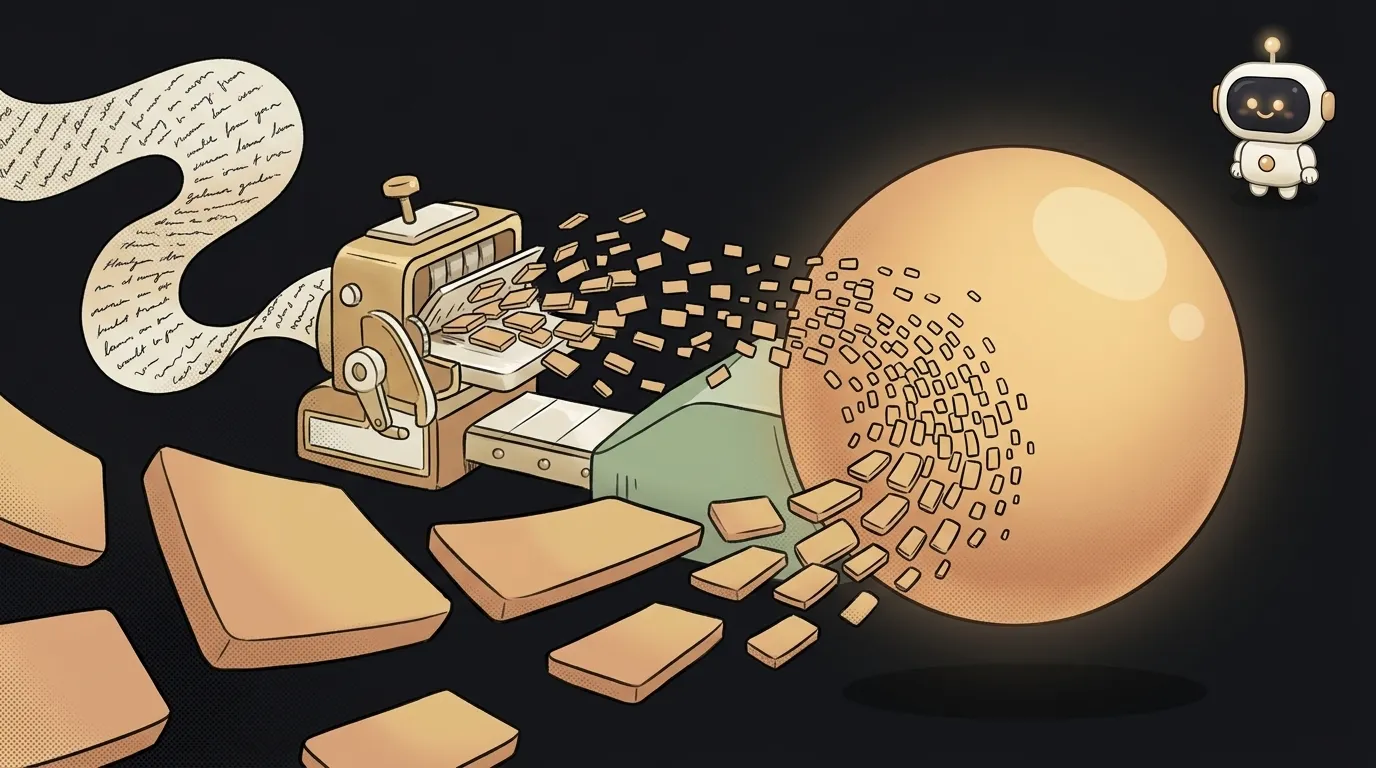
What is a tokenizer — why the model never sees letters, and Russian costs more
A tokenizer slices your text into chunks before the model ever sees it — and non-English text makes more chunks. What a tokenizer is, and why it drives cost.

What is a port — why the :3000 in localhost:3000 is a door, not an address
A port isn't an address — it's a «door» on your computer: the :3000 in localhost:3000 says which program to knock on. What a port is, and why there are thousands.

What is a Git commit — why it's a snapshot of the whole project, not a file save
A Git commit isn't «save this file» — it's a snapshot of your whole project with a note on why. What a commit is made of, and why it's so hard to lose.

What is Docker — and why “works on my machine” stops being an excuse
Docker packs your app together with its whole environment into a container that runs the same on your laptop and on the server. Here's what Docker is and why you'd want it.
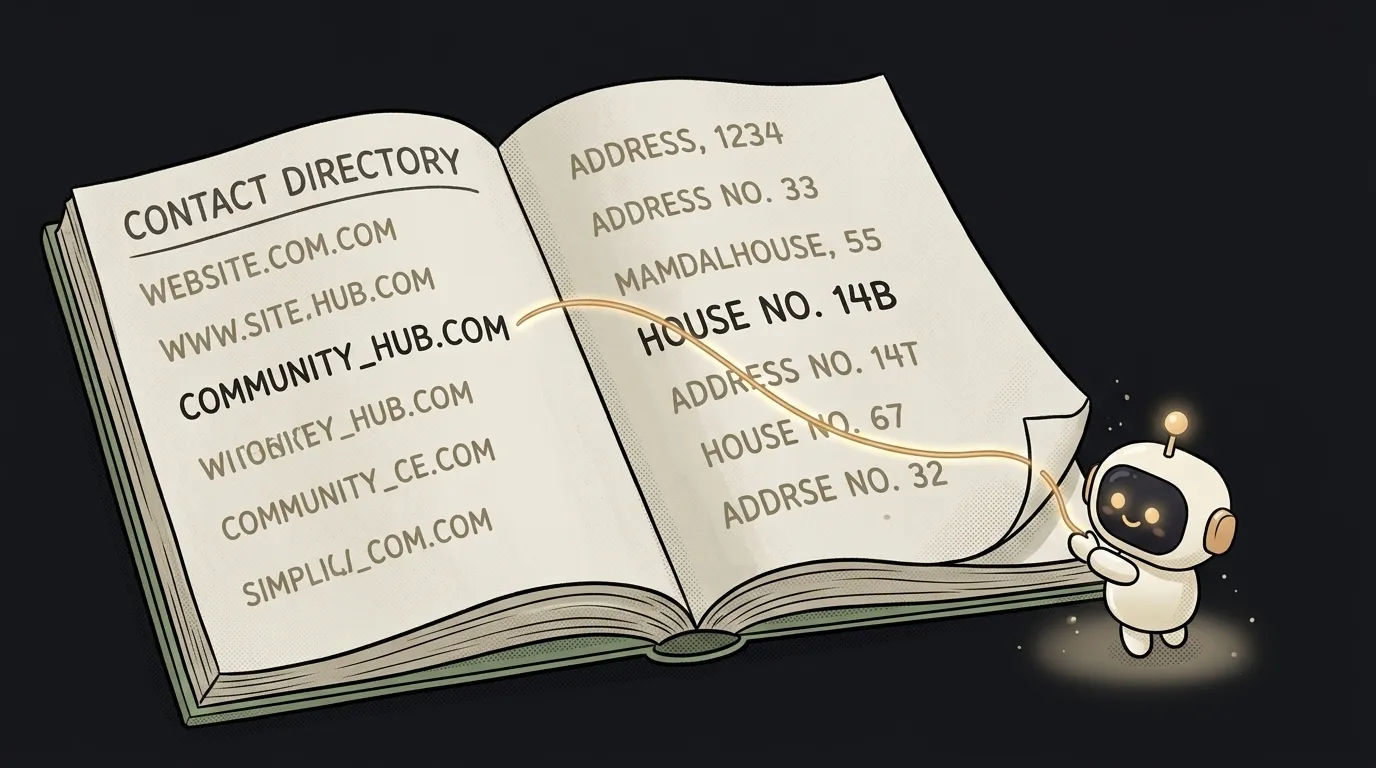
What is DNS — and why your domain didn't “kick in” right away
DNS is the phone book of the internet: it turns a site's name into a server's address. Here's what DNS is and why your site didn't open instantly after you connected the domain.

What is a stack trace — and how to find the line that broke everything
A stack trace is the map of calls that led to an error. Here's how to read a stack trace and find the line in your own code where it crashed in 10 seconds, even as a beginner.

What is open source — and why it doesn't mean 'free'
Open source doesn't mean free, and it doesn't mean 'do whatever you want.' Here's what open source actually is — and why the license decides everything.

What is a Git branch — and why it isn't a copy of your files
A Git branch isn't a copy of your code folder — it's a lightweight bookmark to one commit. Here's what a branch is, why you need it, and why it's instant.
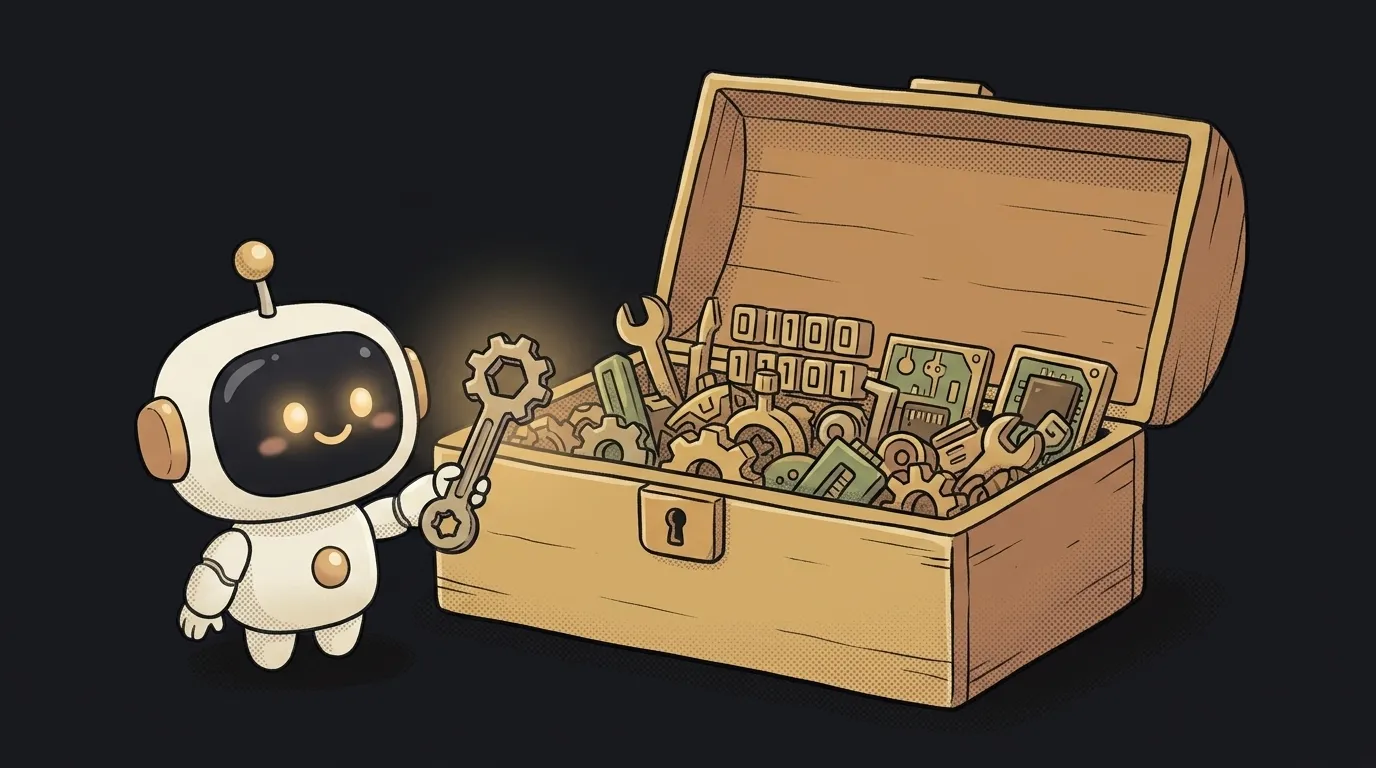
What is a library — and why one import carries someone else's responsibility
A library is someone else's code you call by name. What a library is, how it differs from a framework, and why every import is worth checking.

What is AGI — and why nobody agrees whether it's here yet
AGI is an AI that can do everything a human can. Sounds simple, but there's no single definition. Here's what AGI actually means and why the finish line keeps moving.

What is a foundation model — and why an LLM is just one kind of it
A foundation model is one big neural net trained on everything at once, then adapted to any task. Here's what a foundation model is and how the LLM fits in.
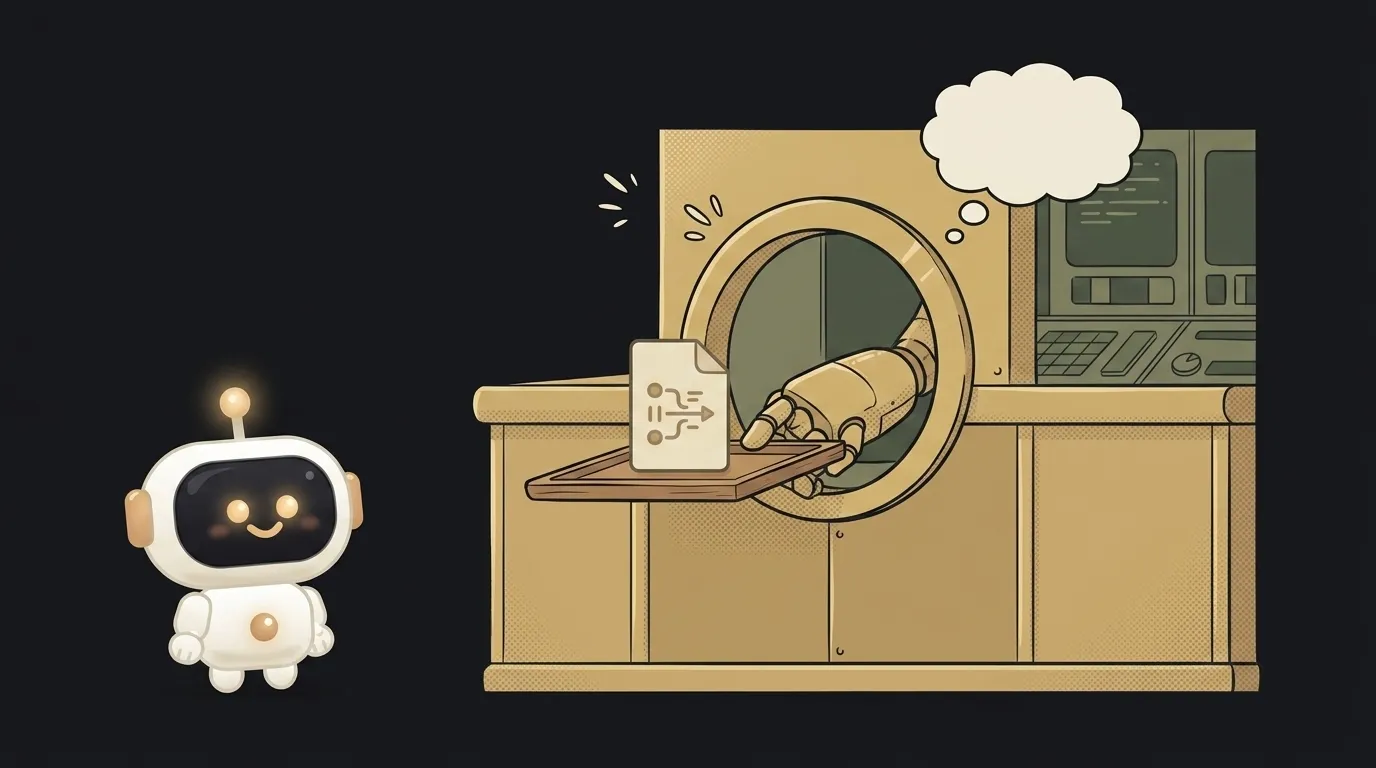
What is a server — in plain words (it's not a box in a basement)
What is a server, in plain words: not a metal box but a program that waits for a request and answers. Here's how it works — and why your laptop is one too.

What is middleware — the layer every request passes through
Middleware is the code between 'a request arrived' and 'you responded.' Here it is on a conveyor belt: where login, logs and CORS live — and why you need next().
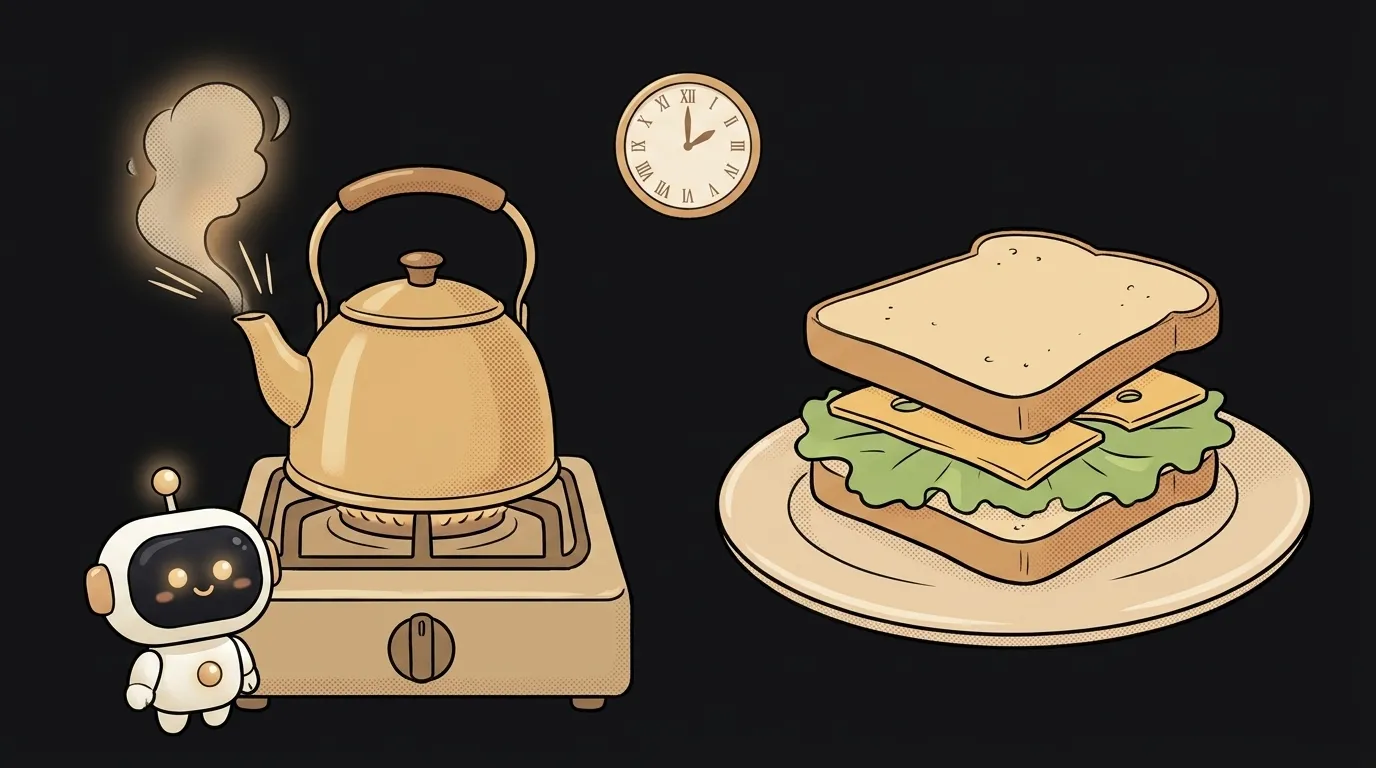
What is async — why your data shows up later, not right away
Async code doesn't wait: it moves on while the answer is still in transit. That's why your data is undefined even though it clearly arrives — and how await fixes it.
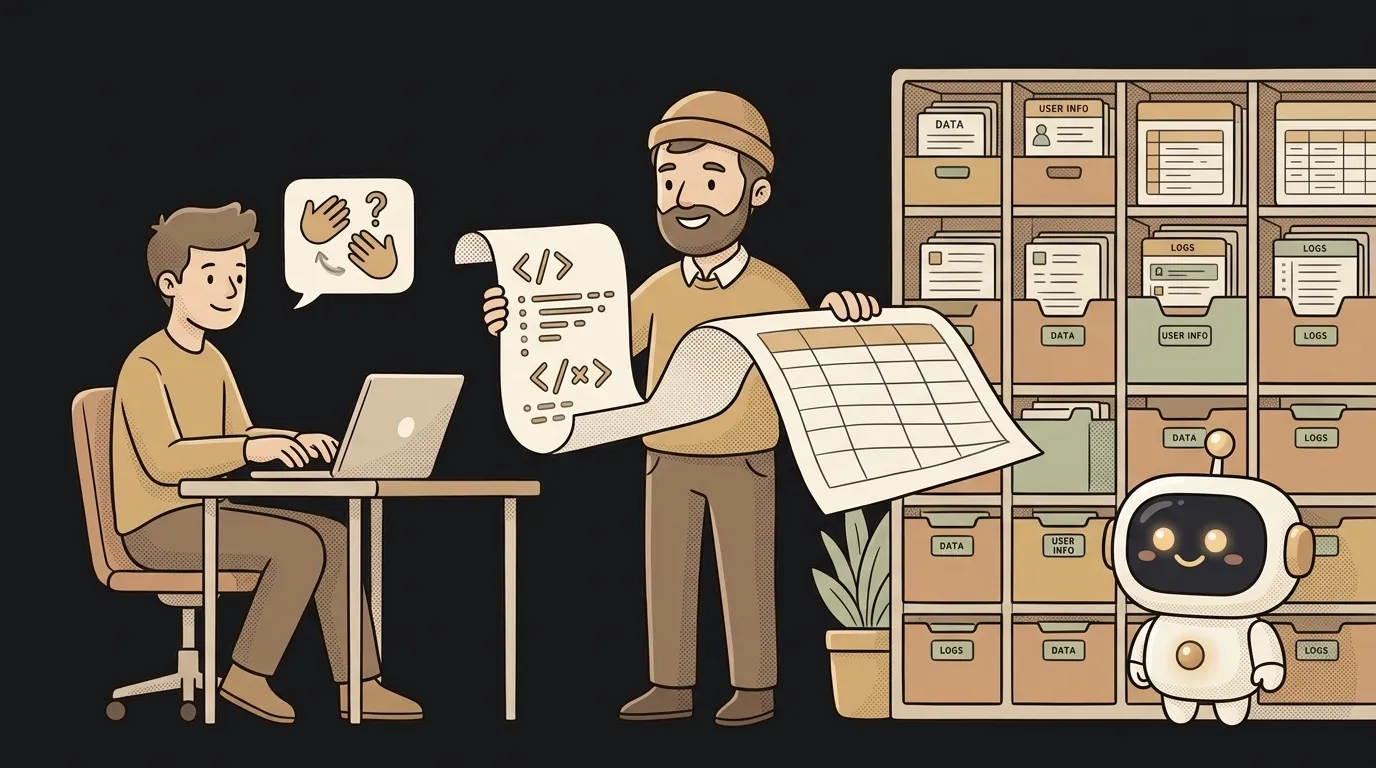
What is an ORM — working with a database without writing SQL
An ORM is a translator between your code and your database: you write user.save() instead of an SQL query. Here's what it's for — and where its big catch hides.
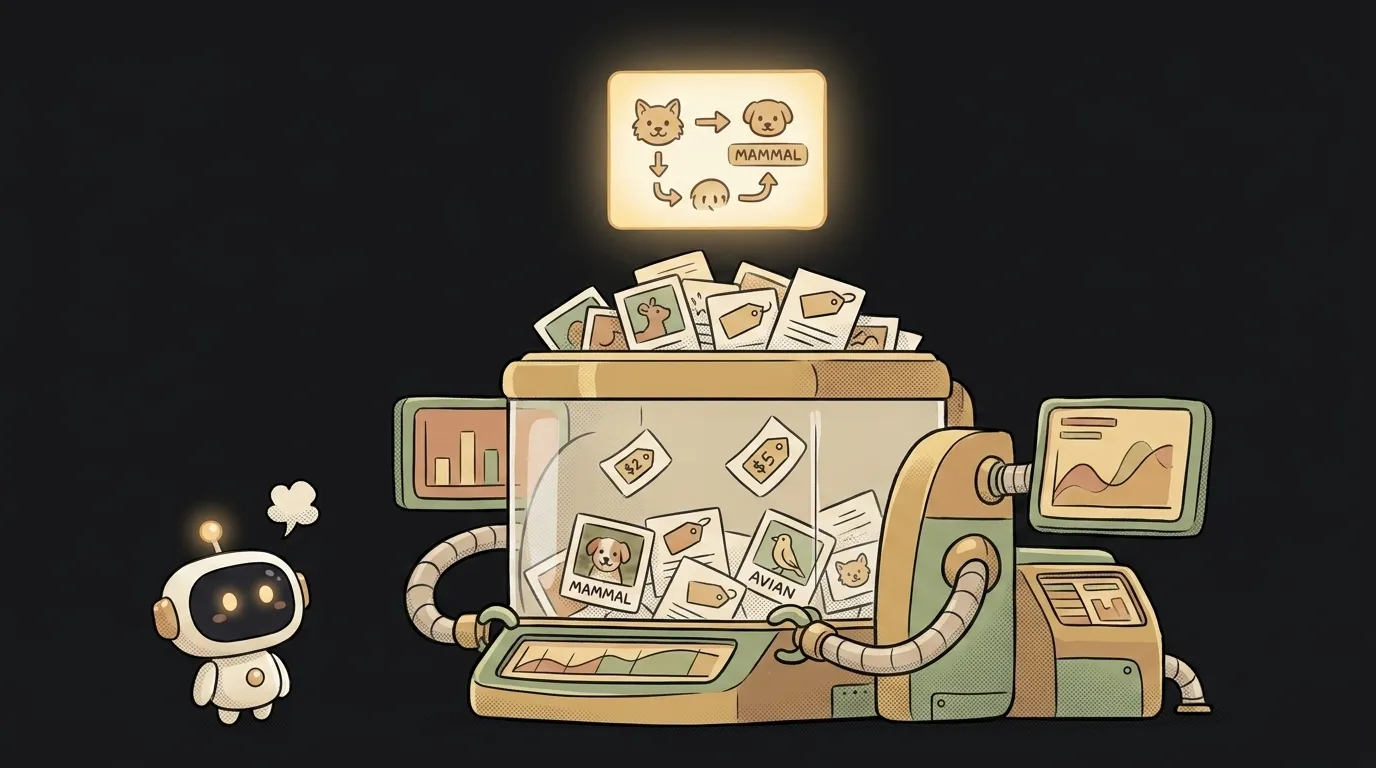
What is machine learning — and why nobody wrote the rule for “this is a cat”
Machine learning is when you don't program the rules — you teach with examples. Here's what machine learning actually is, in plain words, and where it lives.

What is a repository — and why it's not a GitHub folder, but a time machine
A repository is your project plus its whole history of changes. What a repo is, how it differs from GitHub, and why there's a hidden .git folder.
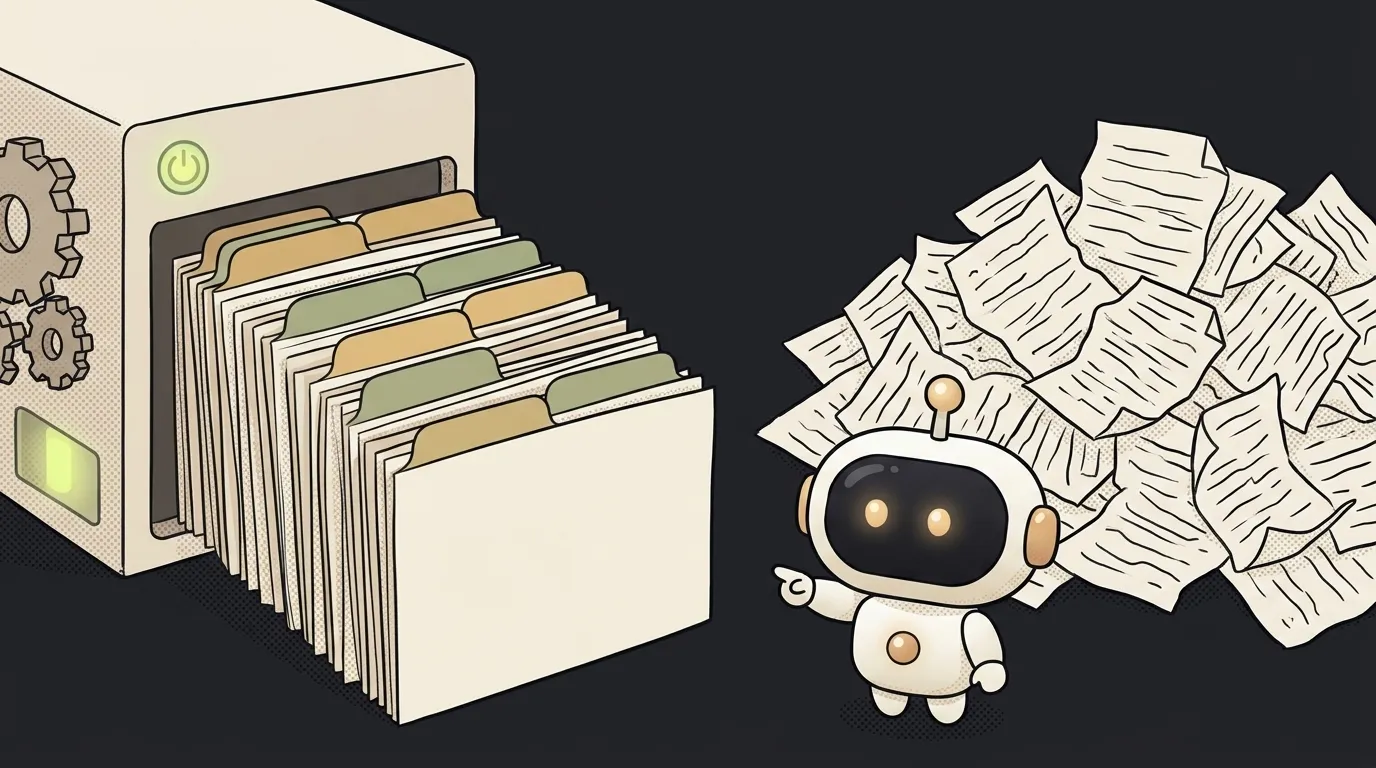
What is a dataset — and why dirty data breaks even a smart model
A dataset is the set of examples a model learns from. What a dataset is, why it's split into three parts, and why garbage in means garbage out.

What is semantic search — how to find things in other words
Semantic search finds by meaning, not exact words. Ask one thing, find the same thing phrased differently. Here's how it works and how to build your own.

What is latency — why AI feels slow even when the model is fast
Latency is how long you wait for an answer. With AI it splits into two parts, and one of them ruins the whole feeling of 'fast'. Let's find where the seconds go.
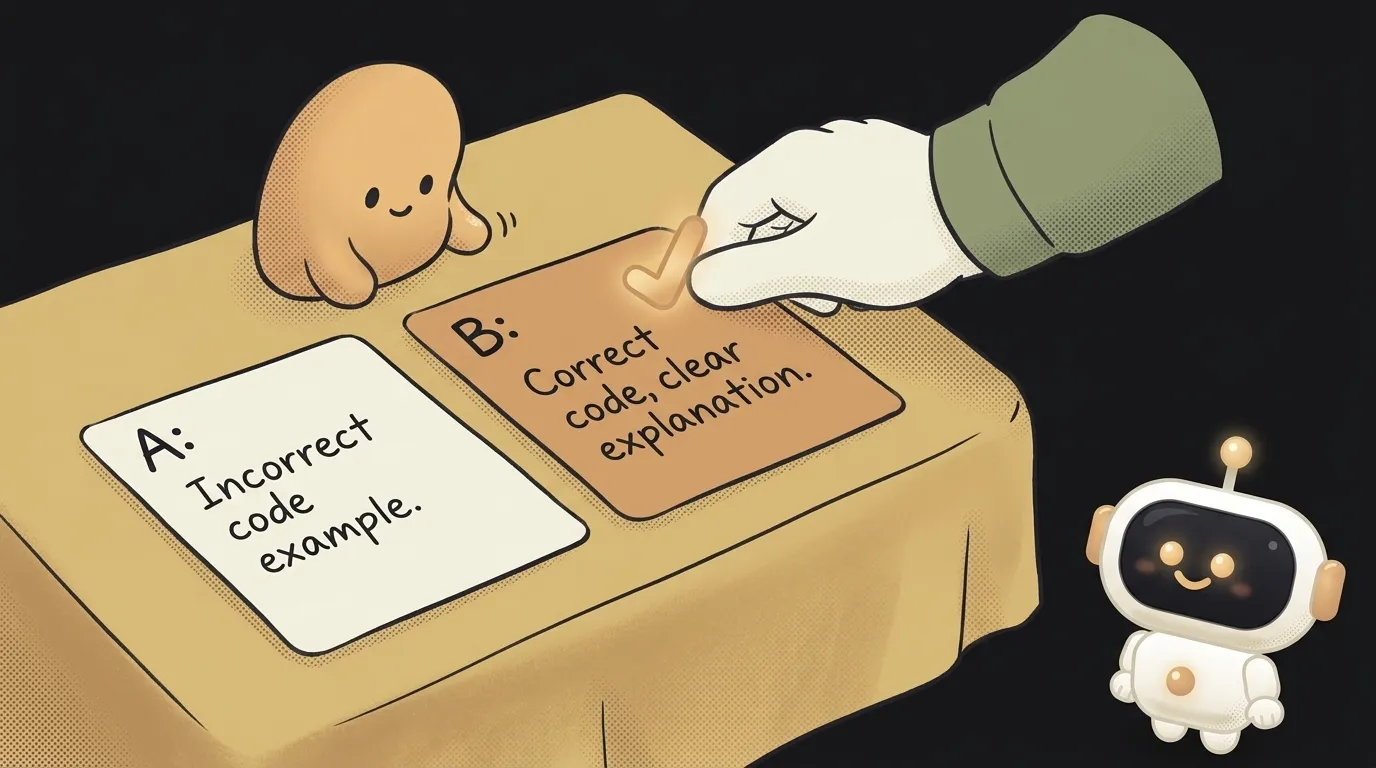
What is RLHF — why AI is polite and does what you ask
A raw model from the internet is rude and useless — humans rating answers make it polite. What RLHF is in plain words, and why it makes AI a bit of a flatterer.

What is Git — and why it's not GitHub or the cloud
Git stores not the latest version of your code but every step of it — and works offline. Here's what Git is in plain words, and why you need it.

What is an AI wrapper — and why 'just a wrapper around GPT' isn't an insult
'It's just a wrapper around GPT' sounds like a verdict, but that's how half of all useful AI products are built. Here's what an AI wrapper is and why it's fine.

What is a small language model (SLM) — and why it runs without the internet
An SLM is a small language model that fits on a phone and works offline. Here's what an SLM is, how it differs from an LLM, and when to reach for one.

What are HTTP status codes — what 200, 404 and 500 from the server mean
Every site answers with a three-digit code: 200 is OK, 404 is not found, 500 is the server broke. Here's what HTTP codes are and how to read them by the first digit.
What is the terminal — the black window nobody should fear
The terminal looks like a hacker window from the movies. It's really just a chat with your computer: you type a command, it replies. Let's demystify it.
What is streaming — why AI types its answer word by word
An AI doesn't reveal a finished answer — it births it one token at a time and hands it straight to you. Here's what streaming is and why it exists.
What is HTTPS — and what the padlock in your browser really means
The padlock next to the address doesn't mean 'this site is trustworthy.' It means only one thing. Here's what HTTPS is and what it actually protects.
What is a package manager (npm) — and where the node_modules folder comes from
One line — 'npm install' — and a folder weighs more than your whole project. Here's what a package manager is, and why it's both a superpower and a risk.
RAG vs fine-tuning — how to give a model your own knowledge
Want your bot to know your documents? Beginners reach for fine-tuning, but you almost always need RAG. Compared on cost, freshness, and complexity.
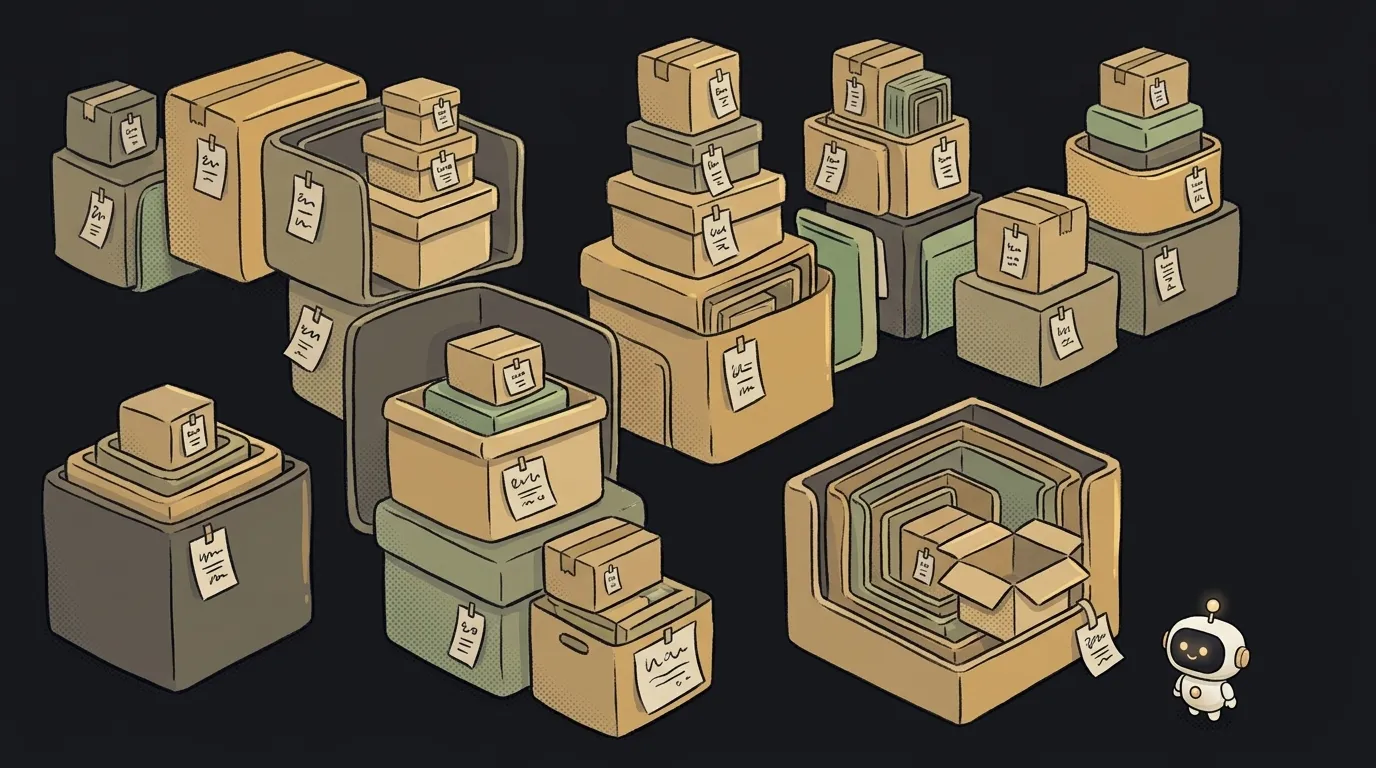
What is JSON — in plain words, and why every program understands it
JSON isn't code, it's data: two kinds of brackets and a colon. Learn what JSON is, how to read one, and why it shows up in every API response and config file.
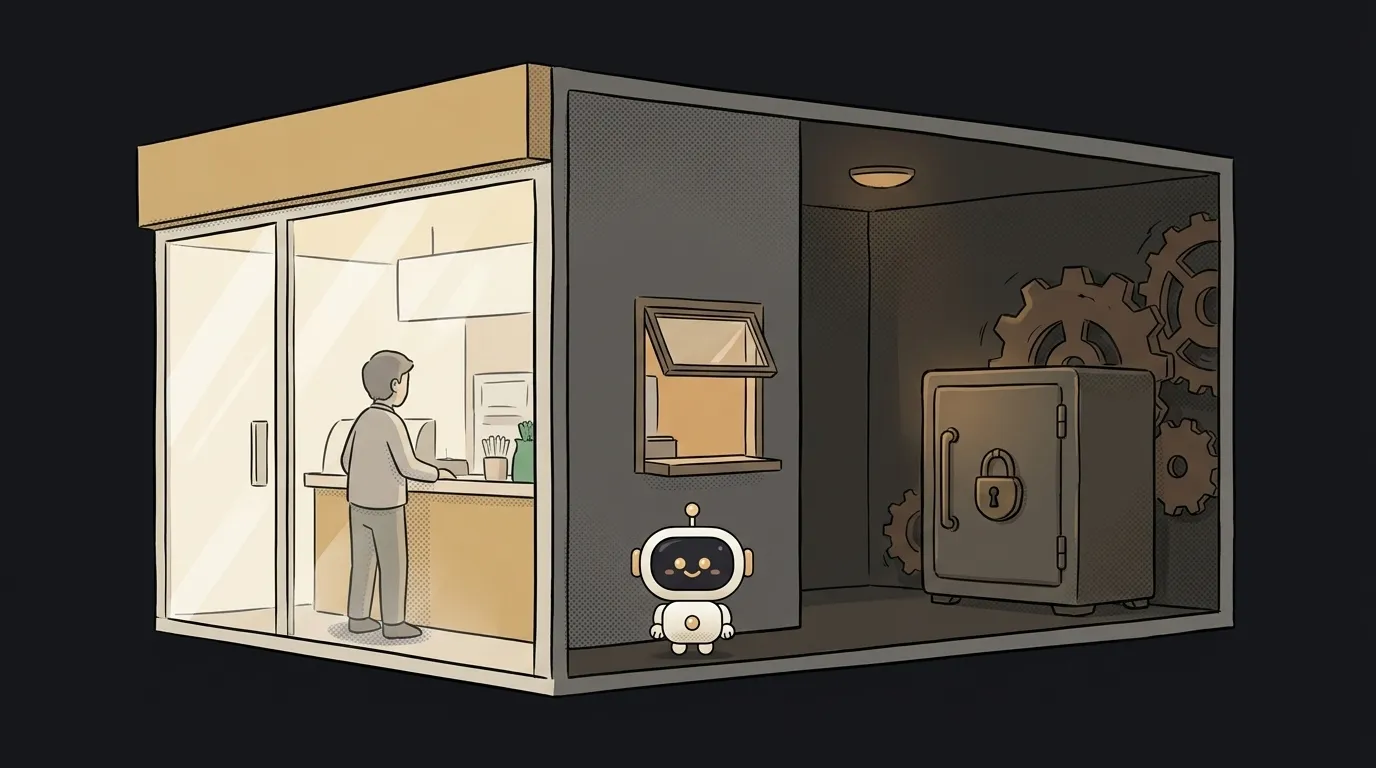
What is frontend and backend — in plain words, and where your secret key lives
What frontend and backend are, how they differ, and why an API key on the frontend leaks in a minute. The two halves of any app, explained simply.

What Is Caching — Why the Second Time Is Always Faster (and Cheaper)
A cache is a pocket for data you already fetched, so you don't fetch it twice. Here's what caching is, why clearing the cache helps, and how it saves money on AI.

What Is a Container (Docker) — and Why "Works on My Machine" Is Dead
A container packages a program together with its environment so it runs the same everywhere. Here's what a Docker container is — and why it isn't a VM.

What is model distillation — how a big AI teaches a small one
A small model on your laptop answers almost like a giant. Distillation is when the big model personally tutors the small one.

What is a mixture of experts (MoE) — why a model is huge yet fast
A model has 600 billion parameters, but only a small slice fires per word. That's MoE — here's how one router keeps a giant nimble.
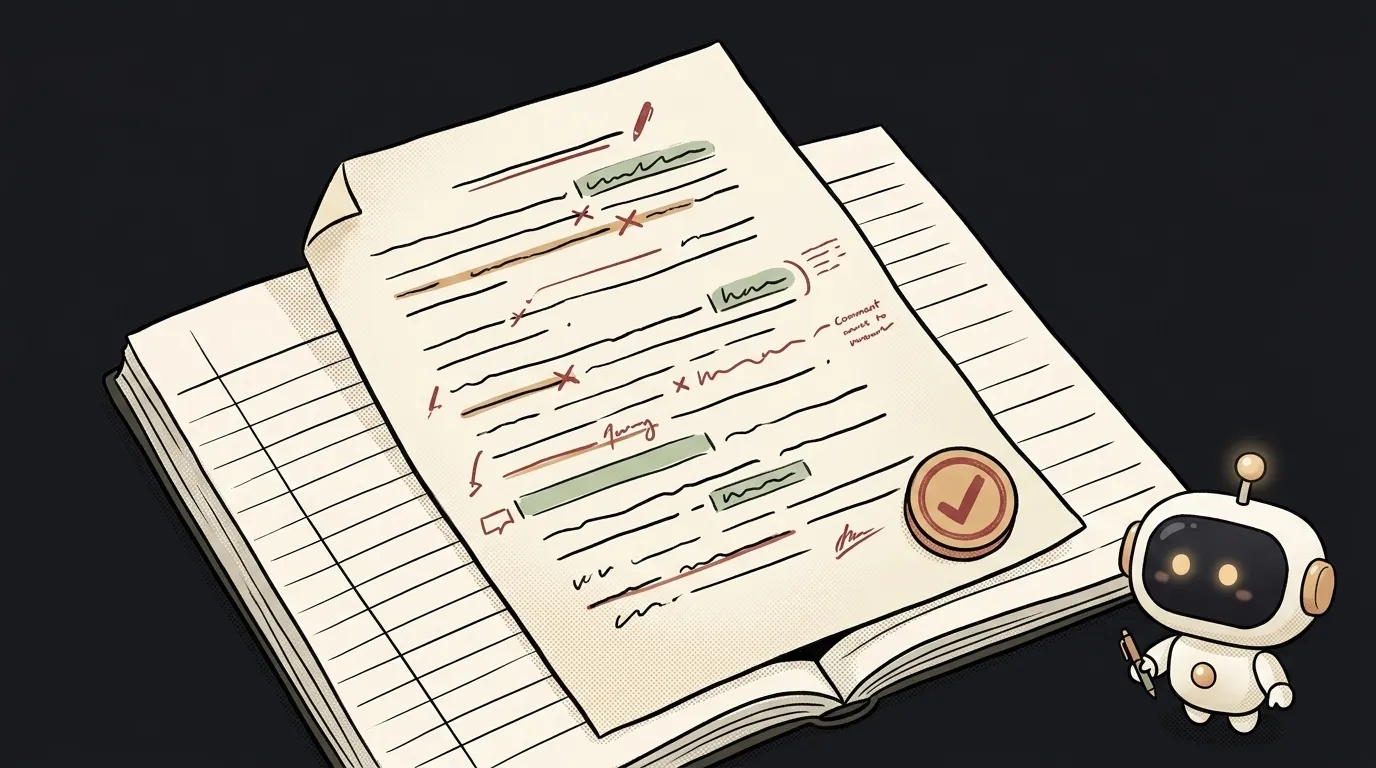
What is a pull request — and why it's not about 'pulling'
A pull request is a proposed change, reviewed before it merges. Here's what a pull request is, why you want one even solo, and how to use it.

What is a knowledge cutoff — and why the model lies about yesterday
A knowledge cutoff is the line past which a model knows nothing. Here's why it confidently makes up recent events, and how to work around it.
What is a reasoning model — and why you pay for thoughts you never see
A reasoning model thinks to itself first, then answers. Those hidden thoughts cost money and time — here's how it works and when it's actually worth it.

What is a diffusion model — why AI images are born from noise
A diffusion model doesn't paint an image pixel by pixel — it develops it out of pure noise, removing static step by step. Here's how it works, in plain words.

What is an SDK — and how it differs from an API in plain words
An SDK is a ready-made toolkit for a service: a code library plus tools. Here's what an SDK is, how it differs from an API, and why you'd want one.

What is a rate limit — why an API answers 429 and asks you to wait
A rate limit caps how often you can call an API. Here's why a service answers 429, why it isn't a bug in your code, and how to live with it.

What is a framework — and how it differs from a library
A framework is a ready-made app skeleton. Here's what a framework is, how it differs from a library, and why you don't call it — it calls you.
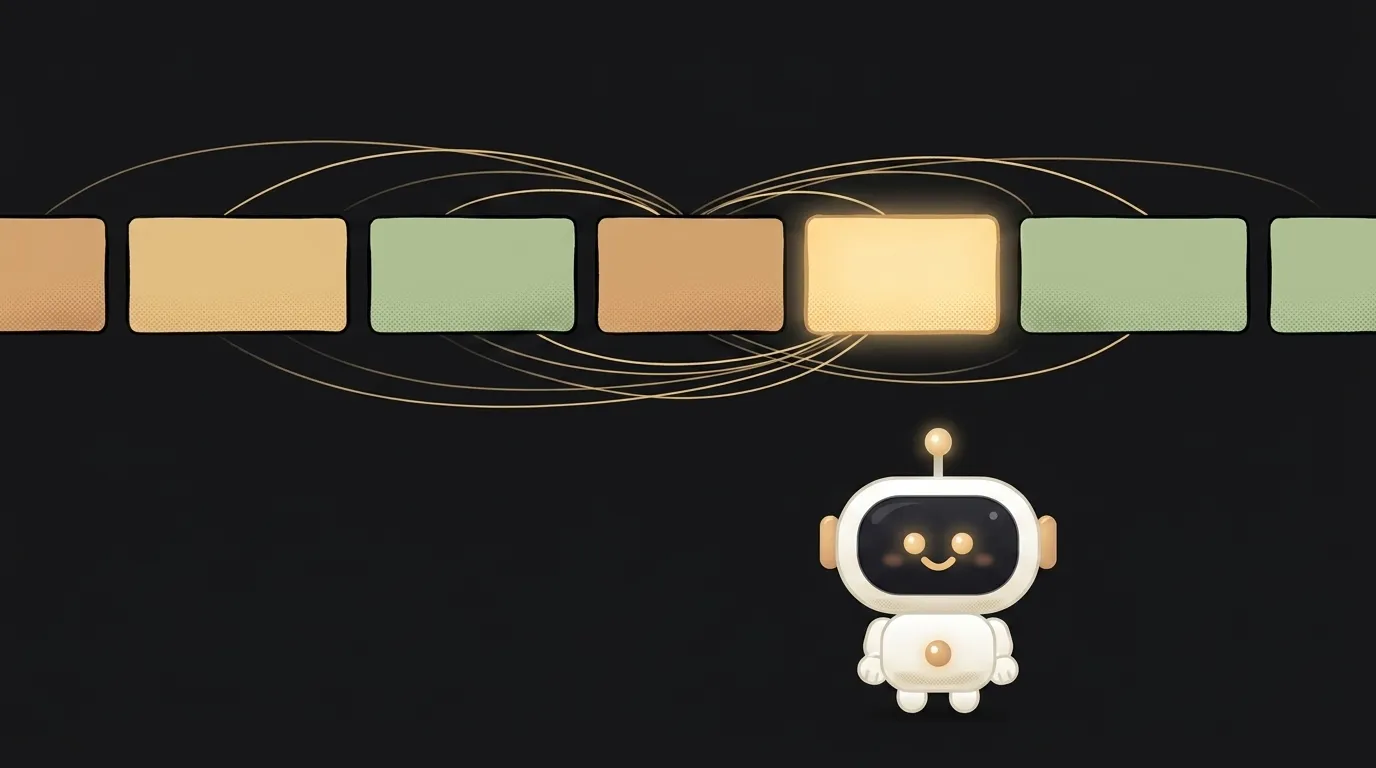
What is a transformer — the 'T' in GPT, and why it guesses instead of understands
A transformer is the engine behind every AI like ChatGPT. Here's what a transformer is — and why it doesn't read text the way you do.

What are model parameters — the 7B and 70B in the name
Llama 70B, Qwen 7B — what's the B? It's billions of parameters. Here's what model parameters are, and why bigger doesn't always mean smarter.

What is a GPU — and why AI runs on graphics cards built for games
A GPU is the graphics card almost all AI runs on. Here's what a GPU is, how it differs from a CPU, and why neural networks can't live without it.

What is serverless — and why "no server" actually has a server
Serverless isn't "no server" — it's a server that sleeps until called. Here's what serverless is, what you pay for, and what a cold start really is.

What is localhost — and why you can't send the link to a friend
localhost is an address that loops back to your own computer. Here's what localhost is, why only you can see it, and where ports fit in.
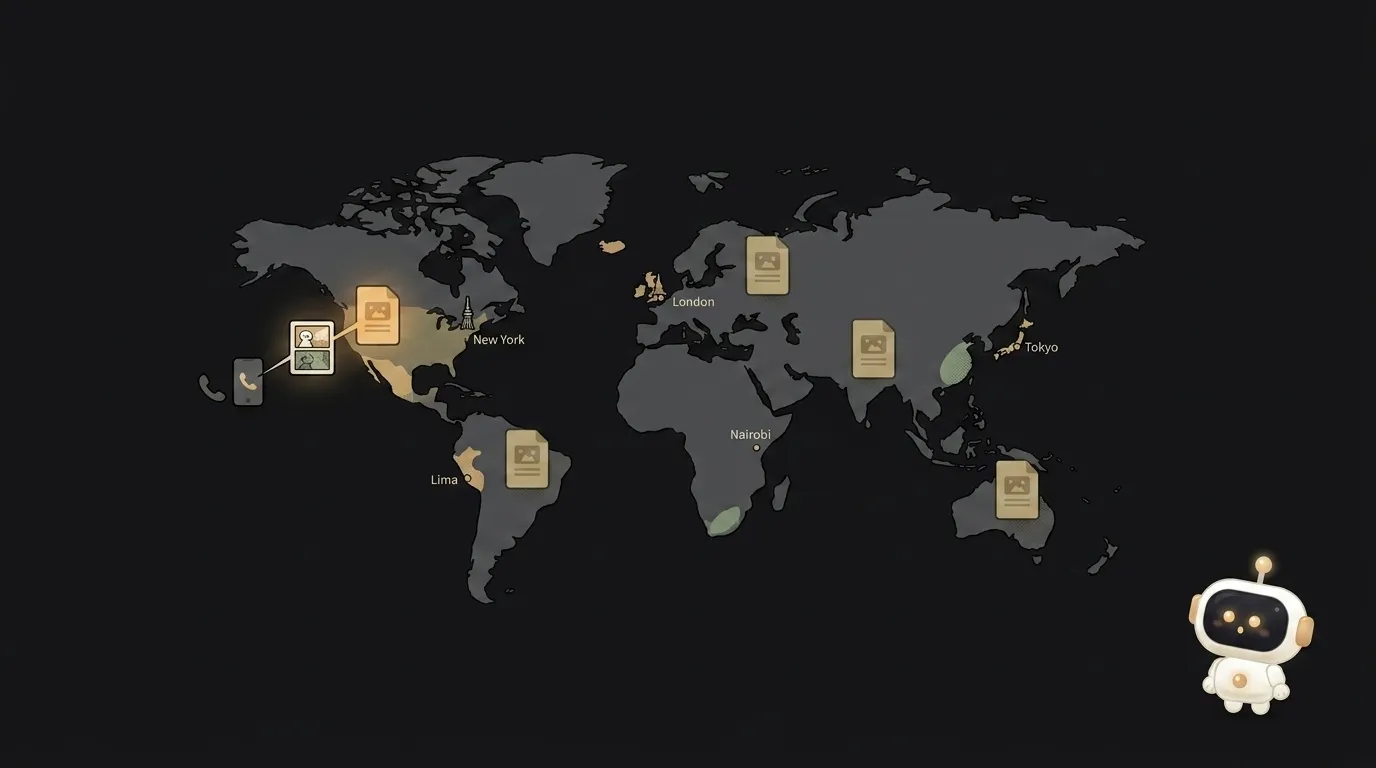
What is a CDN — and why your site is slow even on a powerful server
It's not always a weak server — sometimes it's distance. Here's what a CDN is, how a network of copies speeds up a site, and why you need one early.

What is inference — and why you pay for every AI answer again
Inference is a trained model working for you right now. Here's why every answer costs money each time, and what drives its speed and price.

What is an AI benchmark — and why #1 isn't the best for you
A benchmark is a standardized exam for AI models. Here's how to read leaderboards without the illusions, and why your own mini-test beats any ranking.
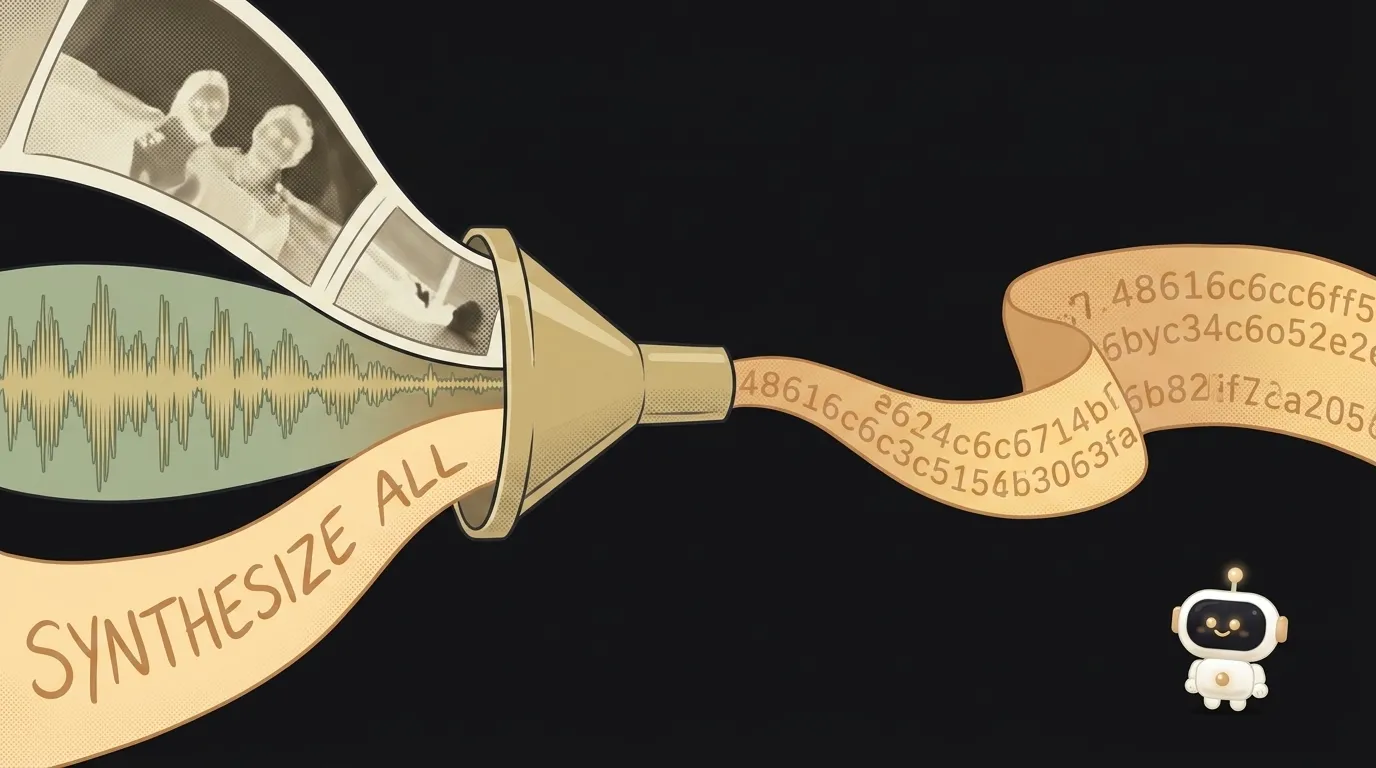
What is multimodality — how AI 'sees' an image when it has no eyes
A multimodal model doesn't look at an image the way you do — it turns it into the same numbers as text. How AI works with photos, sound and text at once.

What is fine-tuning — and why it barely teaches a model new facts
Fine-tuning teaches a model style and behavior, not new facts. Here's how it differs from RAG and why a beginner should care about the difference.

What is the DOM — and why the page's 'source code' lies to you
The DOM is the live tree of the page the browser builds from your HTML. In plain words: how it differs from the source, and why your element 'isn't found.'

What is a REST API — and why the server forgets you every time
A REST API isn't a technology — it's a set of good manners for programs talking over the internet. In plain words: four verbs, addresses, and why the server never remembers you.

What is React — and why you stop touching the page by hand
React is a library where you describe how the screen should look, and it redraws it for you. In plain words: components, state, and the one trick that changes everything.

What is CORS — and why that console error is protection, not a bug
CORS isn't 'your server broke.' It's the browser hiding the response to protect you. Here's why the CORS error happens and how to fix it honestly.

What is a JWT — and why the server doesn't remember you but lets you in anyway
A JWT is a pass you carry with you, not an entry in the server's logbook. Here's how the server lets you in while storing nothing about you — and where the trap is.
What is 2FA — and why it saves you even after your password is stolen
2FA is a second key to your account that changes every 30 seconds. Here's why it holds even when your password has long leaked into someone else's database.

What is SEO — and why nobody finds your finished site
Your site works, but it's nowhere in search. SEO isn't marketing magic — it's how you tell Google what your page is about. Explained plainly, no jargon.

What is OAuth — and why 'Sign in with Google' never gives away your password
The 'Sign in with Google' button never hands your password to the site — that's the whole point. OAuth explained plainly: how it works, why it exists, where you've met it.

What are meta tags — and why search sees them but your page doesn't
Title and description are the only thing a person sees about your page BEFORE clicking. They're hidden in the code, not on screen. Which ones matter and how to write them.
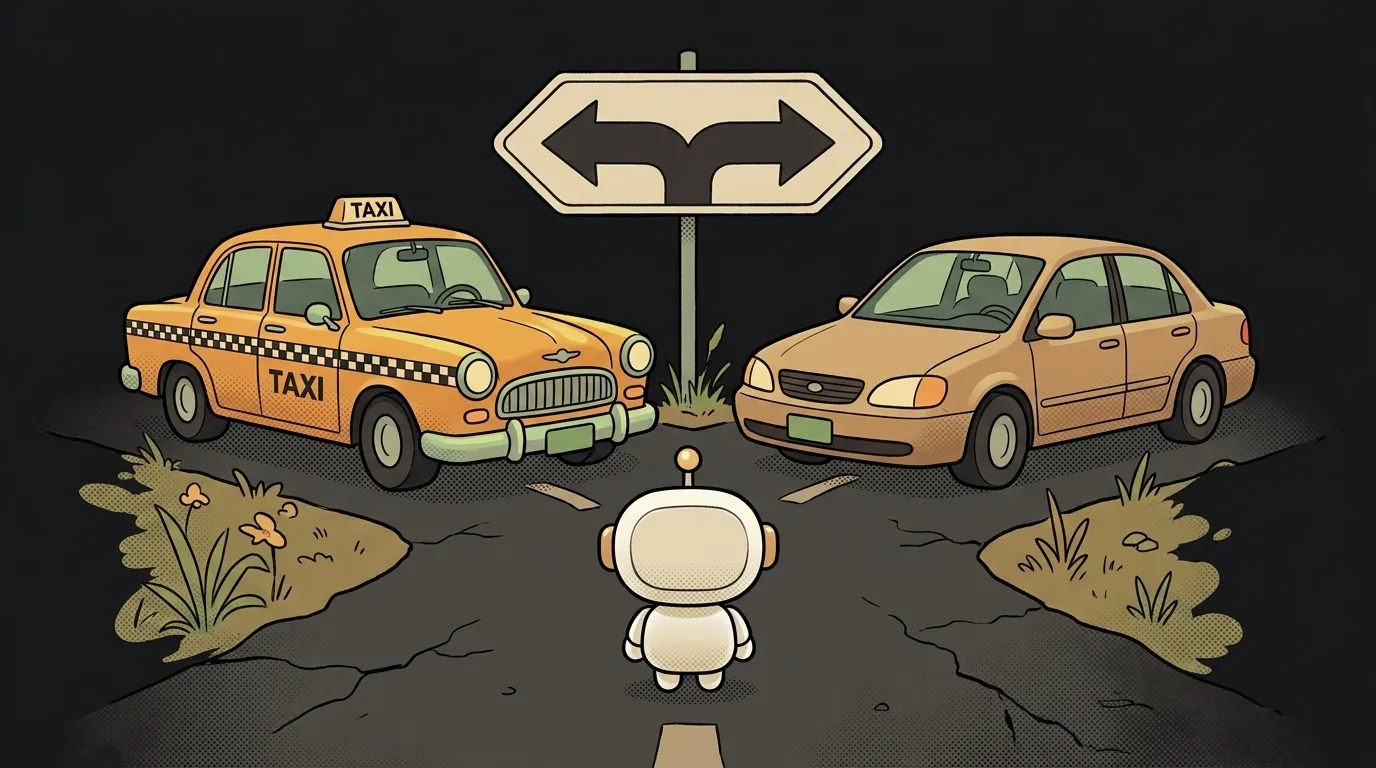
Open or closed AI models — which to pick as a beginner and why
A closed model is a taxi, an open one is your own car. We compare on price, privacy and the learning curve, and say plainly who should pick which — and when to switch.

What does deploy mean — and how it differs from “it works on my machine”
“Works on my computer” isn't the same as “available to people.” Deploy moves your app to where it lives without you. Here's what it really means.

What is an environment variable — and why you never put a key in the code
Write an API key into your code, push to GitHub, and bots steal it in minutes. Environment variables keep secrets out of the code. Here's how.

What is a vector database — and why it finds “dog” when you type “puppy”
A vector database searches by meaning, not exact words: it finds the right thing even when you don't guess the phrasing. Here's how it works.
What is SQL — in plain words, and why a 50-year-old language is still alive
SQL is the language you use to ask a database for the rows you want. Explained simply: what it's for, how it reads, and why everyone still learns it.

What is an API — in plain words, and why you ping a hundred of them daily
An API is the window through which one program asks another to do something or hand over data. Explained simply, no jargon, with real examples.

What is a database — in plain words, and why nothing sticks without one
A database is an app's memory that survives a restart. Explained simply: what it's for, how it's built, and when you actually need one.

What is an LLM, in plain words (and why it guesses instead of knows)
An LLM isn't a knowledge base — it's a text-continuation machine. Here's what a large language model really is, and why it's so confidently wrong.
What is a neural network — in plain words (and why nobody programmed it)
A neural network doesn't memorize examples or follow rules — it turns millions of knobs until it guesses right. Here's the plain-words version, no formulas.

What is vibe coding — and how to start as a beginner
You describe what you need in plain words, and an agent writes, runs and fixes the code. Here's what the process is — and the first three moves to make.

What is temperature in a model — the slider between boring and wild
One setting decides whether the AI answers dull and identical or creative and risky. At zero it's by-the-book; turn it up and it writes poetry, but it may also make things up.
What is RAG — letting an AI peek at your cheat sheet
The model never trained on your documents — yet it answers from them. The trick is that it gets handed the right snippets right before answering. That's RAG.

What is MCP — the single port that gives AI its 'hands'
MCP is USB for AI agents. One common port, and an agent can reach your browser, your database and your files — no custom adapter for each.

What is a context window — and why AI forgets the start of a conversation
In a long chat, old messages get pushed out of the model's memory — that's why it loses the thread. Explained with a simple picture.

What is an AI hallucination — and why the model isn't lying when it makes things up
The model confidently spat out nonsense. Feels like a lie. But it can't lie — it has no idea what truth even is. Let's see how it works and how to catch it.
What is an AI agent, in plain words — and how it differs from a chatbot
A chatbot answers, then waits. An agent acts: it opens your files, runs the code, reads the error and fixes it. The difference is what it does, not just what it says.
What is a token — and why Russian costs more than English
The same sentence costs a model more in Russian than in English. Tokens are why — let's see what they are and how to pay less.
What is a prompt — and why it's a brief, not a question
A prompt feels like a question you ask the AI. It's really a brief for a worker. Flip that, and the answers stop surprising you.
What are embeddings — and how AI knows that 'cat' and 'kitten' mean the same
AI turns words into coordinates on a map of meaning. Close meanings land near each other — so it searches by meaning, not by exact words.
Reading Code You Didn't Write: Understanding Your Own AI-Built Project
The AI wrote it, but it is your product now. You do not need to write code by hand to understand it — you need to read it. Here is how to actually do that.
Database Basics for Vibe Coders: Designing Data Without a CS Degree
A database is just a set of well-labelled lists. Get the data model right and the rest of your app falls into place. Get it wrong and you fight it forever.

What is KODiQ? Learn to build with AI, one lesson at a time
KODiQ is a free mobile app that teaches you to build real things with AI — vibe coding, prompting and AI literacy in short daily lessons. Here's how it works.